
DMRC invites bids for 500 MU of renewable energy via a solar + battery storage project to increase clean power share. Learn how this tender could transform Delhi Metro’s energy mix.
DMRC Renewable Energy Tender: Powering Metro on Clean Energy
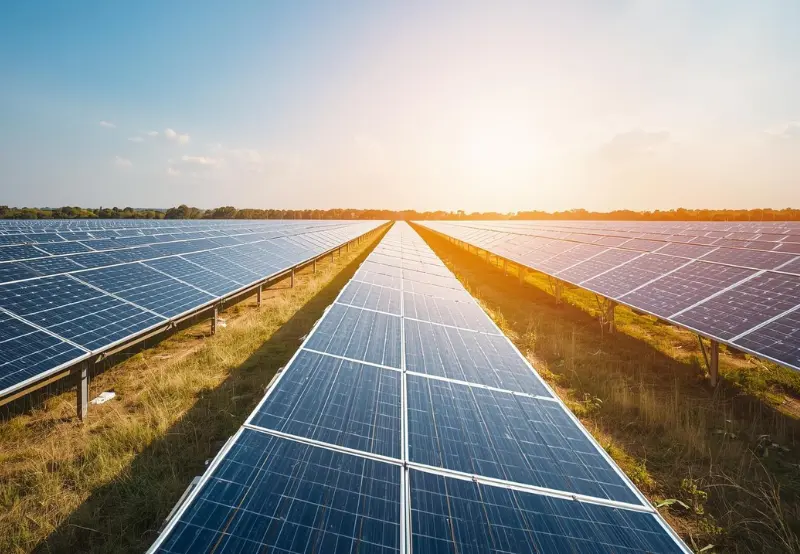
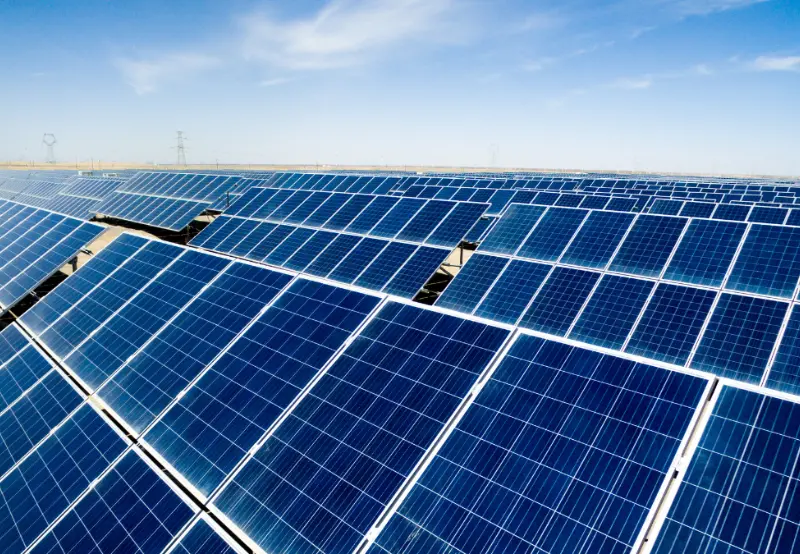
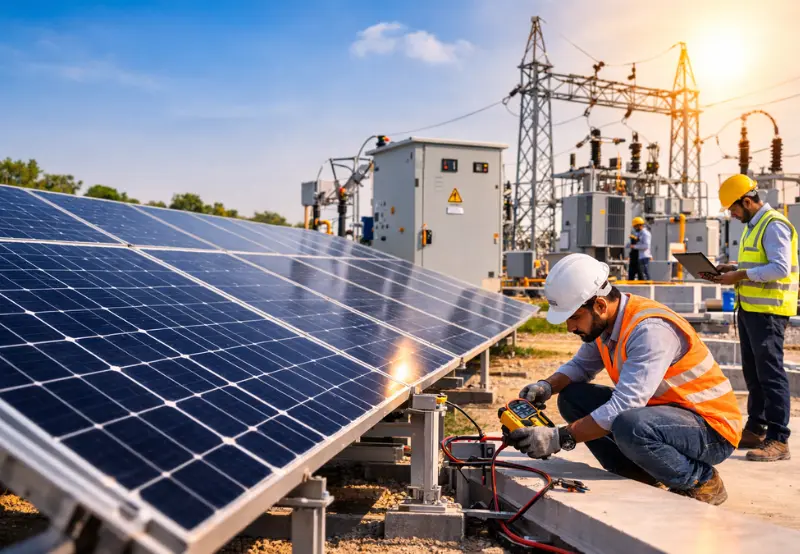
DMRC has announced a major push for cleaner energy by launching a DMRC renewable energy tender for 500 million units (MU) of power, to be supplied via an ISTS-connected captive plant combining solar PV with co-located battery energy storage (BESS).
This move is aimed at raising the share of renewables in DMRC’s power supply from the current ~33 % to over 60 % over its existing and Phase-IV network, covering Delhi, Uttar Pradesh and Haryana.
1. What the DMRC Renewable Energy Tender Entails
- The tender calls for the design, construction, operation and supply of 500 MU annually from a solar + battery storage plant in captive mode.
- Supply must come from an ISTS-connected generating plant, meaning it will feed into the interstate transmission system.
- Bidders will first go through technical (eligibility, design) evaluations, then financial bidding, likely including an e-reverse auction.
- DMRC itself will have equity in the SPV (Special Purpose Vehicle) to satisfy captive power regulations under the Electricity Rules, 2005.
2. Why DMRC Needs 500 MU Renewable Power
- DMRC currently consumes ~1,230 MU annually; that is projected to increase to ~1,500 MU by 2029.
- To improve sustainability and reduce carbon footprint, shifting a larger portion of its supply to renewables aligns with broader climate goals.
- The 500 MU tender accounts for a substantial share of DMRC’s future growth in power demand.
3. Captive Mode, BESS & PPA Structure
- Captive mode allows DMRC to source power for its own use, with compliance under electricity regulations.
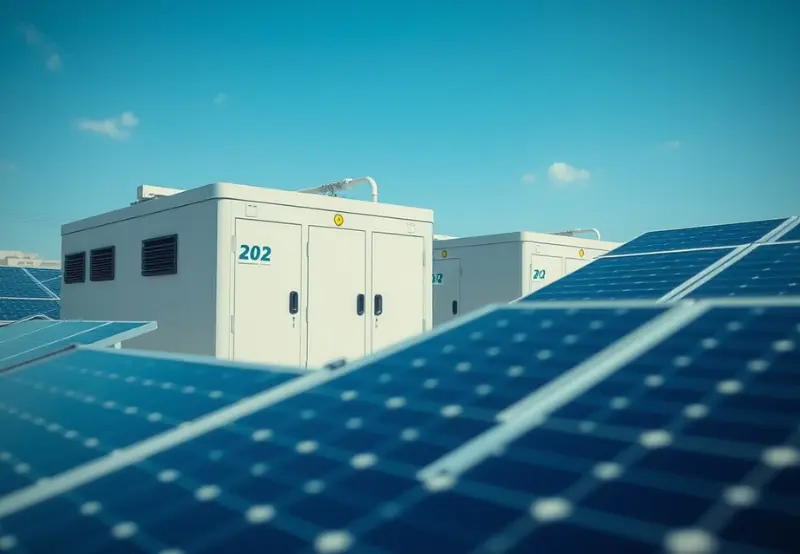
- Battery Energy Storage System (BESS) inclusion is crucial: it enables dispatchability, smoothing solar output when generation is low or during peak demand windows.
- The PPA and Shareholding Agreement (SHA) will govern revenue, supply obligations, equity stakes, penalties, etc. DMRC’s equity in the SPV helps maintain regulatory compliance and oversight.
4. Timelines, Bid Conditions & Financials
- The tender window is open from 8 October to 17 November 2025 for the e-tendering process.
- Tender document cost: ₹50,000 + GST
- Earnest Money Deposit (EMD): ₹45 crore, valid beyond 45 days after 180-day tender validity.
- Pre-bid meeting scheduled for 16 October 2025 at DMRC HQ.
- Technical bids to open on 18 November; later stages (financial bids, auction) to follow.
These conditions ensure serious bidders, financial commitment, and procedural transparency.
5. Significance for Clean Transit & Energy Transition
- If successful, this initiative will help DMRC emerge as one of the largest metro systems powered largely by clean energy.
- It demonstrates a new model: integrating renewables + storage directly into institutional power procurement.
- Encourages solar + battery developers to bid for large contracts, expanding the domestic market.
- It may inspire other metro systems, large transit agencies, and infrastructure bodies to adopt similar captive renewable procurement models.
6. Risks & Challenges Ahead
- Project execution risk: Delays or technology failures in integrating solar + BESS could jeopardise delivery.
- Financing & cost escalation: The capital cost for battery storage and associated infrastructure is high.
- Grid / transmission constraints: ISTS connectivity, permission, grid stability, and power evacuation issues need smooth resolution.
- Regulatory / policy risk: Changes in tariffs, regulations, or electricity rules may impact viability.
- Equity and ownership complexities: DMRC holding equity in SPV adds governance complexity and alignment challenges.
7. What to Watch / Broader Implications
- Which companies or consortia will bid, and at what tariff level.
- How DMRC balances cost and renewable share targets.
- The actual performance of solar + battery systems under Indian climate and load conditions.
- Replication of this model by other metro corporations, airports, large institutional consumers.
- How this tender ties in with national targets (e.g. 500 GW renewables by 2030).
8. Conclusion
The DMRC renewable energy tender for 500 MU via solar + battery storage marks a bold and forward-looking strategy by one of India’s major transit systems. If implemented well, it could pivot DMRC’s energy structure toward cleaner, more resilient power, while setting a precedent for large institutions procuring their clean supply. The successful execution will require strong technical, financial, regulatory, and project management capabilities — but the payoffs in sustainability, reputation, and long-term cost resilience could be substantial.
For more insights, visit; Tender/Grants