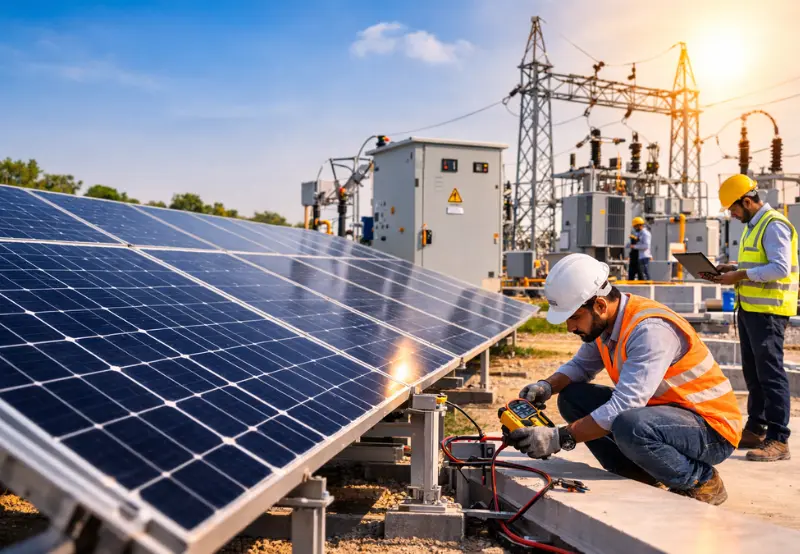
Union Minister Pralhad Joshi has stressed that EVs in India should run on renewable energy to truly cut emissions. Discover why EVs on renewable energy are vital for clean mobility, sustainability, and India’s green future.
Introduction: Why EVs Need Clean Power
Electric Vehicles (EVs) are celebrated as the future of mobility, reducing tailpipe emissions and dependence on fossil fuels. But there’s an inconvenient truth—if the electricity that powers EVs comes from coal, their environmental advantage shrinks significantly. This is why the recent statement by Union Minister Pralhad Joshi has sparked much-needed debate: EVs in India must increasingly run on renewable energy sources like solar and wind.
Minister Pralhad Joshi’s Key Statement
The Union Minister stressed that EVs can only truly be “green” if the power used to charge them comes from renewable sources. While EV adoption in India is growing rapidly—over 1 million EV registrations in the first half of FY26—the grid still depends heavily on coal, which accounts for nearly 70% of India’s electricity. This mismatch undermines the purpose of EV adoption.
The Real Problem with EVs Running on Coal Power
At present, India’s charging infrastructure is linked to the general power grid. Since the grid is largely coal-driven, EVs indirectly produce significant emissions. In fact, studies suggest that an EV charged on coal-heavy grids can emit as much carbon as a fuel-efficient hybrid car.
Why Renewable Energy Charging is a Game-Changer
Shifting EV charging to renewable energy sources has multiple benefits:
- True emission reduction: Ensures EVs deliver genuine carbon savings.
- Energy independence: Less reliance on imported oil and coal.
- Grid stability: Smart integration of renewables with EV charging can balance peak loads.
- Public trust: Consumers will know their EVs are genuinely sustainable.
India’s Current Renewable Energy Capacity
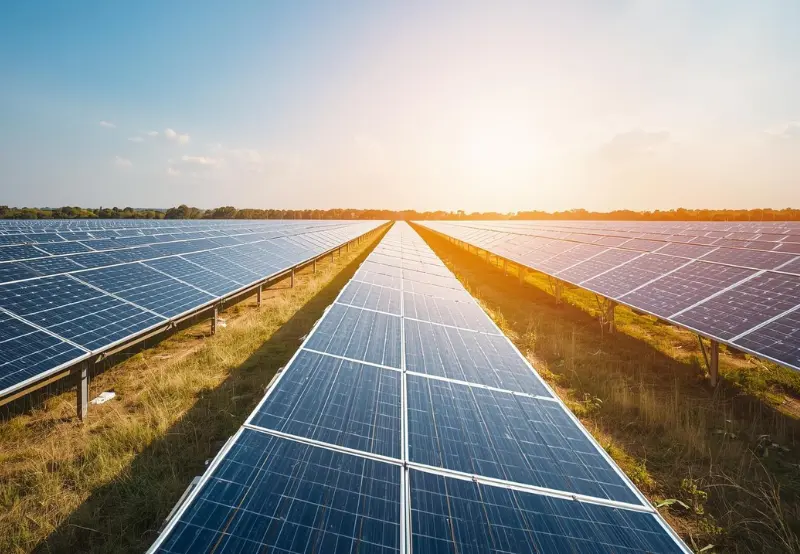
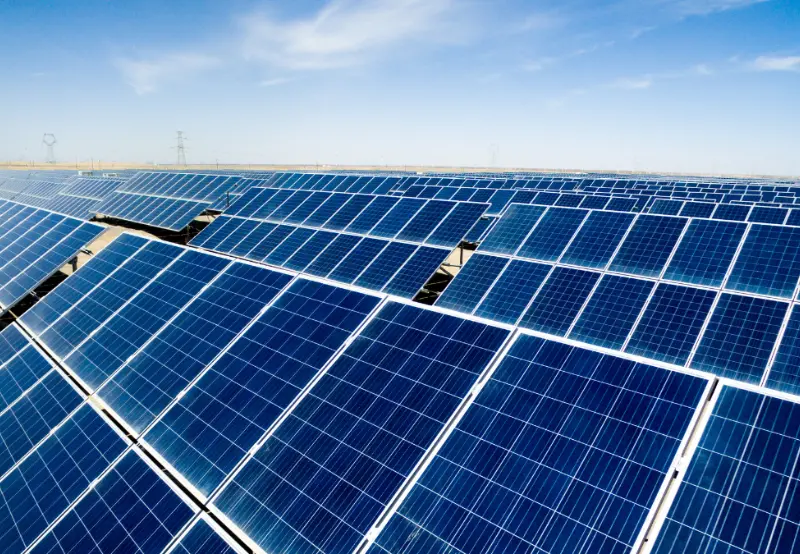
India is the world’s third-largest renewable energy producer, with more than 190 GW of installed capacity (solar, wind, biomass, hydro combined). The government has set an ambitious target of 500 GW by 2030, signalling strong alignment with Joshi’s vision.
Solar charging stations are already being piloted in states like Gujarat, Kerala, and Delhi. Similarly, renewable-powered highway charging corridors are being discussed under the PM e-Drive scheme.
Global Examples of EVs on Renewable Energy
- Norway: Nearly all EVs are charged with hydroelectric power.
- Germany: Incentives are offered for installing solar panels paired with EV home chargers.
- United States: Tesla’s Supercharger network increasingly integrates solar and battery storage.
India could adopt similar models, blending policy incentives with infrastructure expansion.
Challenges in India’s Transition
- Grid modernisation: India’s grid needs upgrades to handle renewable fluctuations.
- High initial costs: Solar-based EV charging stations are costlier upfront.
- Policy clarity: Clear renewable-EV integration rules are still evolving.
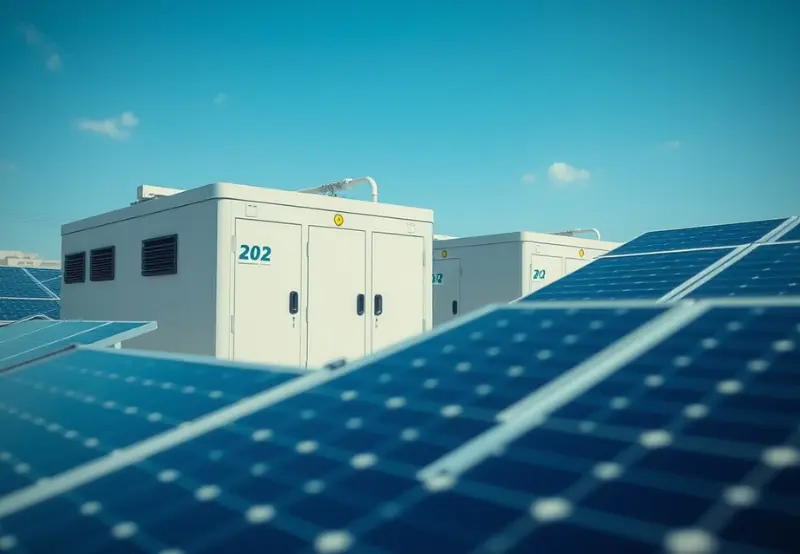
- Storage solutions: Dependence on battery storage will rise for 24/7 renewable charging.
The Road Ahead for EV + Renewable Integration
To achieve this vision, India will need:
- Stronger policy alignment between EV adoption plans and renewable capacity growth.
- Incentives for private players to set up solar and wind-powered charging hubs.
- Investments in battery storage and smart grid technologies.
- Public awareness campaigns encouraging consumers to choose renewable-linked charging stations.
Conclusion: Towards a Cleaner Future
The Minister’s call highlights a crucial truth: EV adoption without renewable integration is only half the battle won. India’s green mobility dream depends not just on how many EVs hit the roads but also on how clean the energy is that powers them. With ambitious renewable energy goals, India has the potential to become a global leader in sustainable e-mobility—if it can bridge the gap between EVs and renewable power. This shift will require coordinated efforts across policy, industry, and consumers to build a truly green ecosystem. The coming years will determine whether India can set a global benchmark for clean and inclusive mobility.
For more EV insights, Visit; EV News