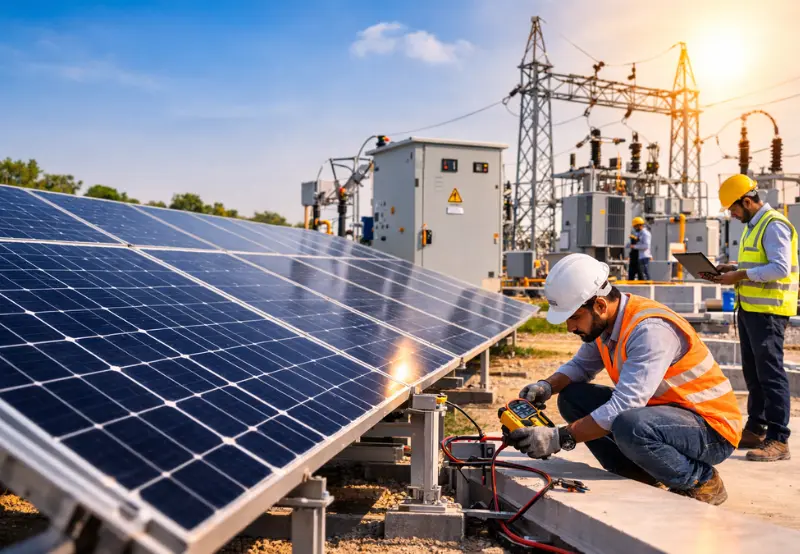
Leaders from around the world gathered at the Global Clean Mobility Summit 2025 to set the agenda for electrification, hydrogen, logistics and zero-emission mobility.
A Global Gathering for Mobility Change
The Global Clean Mobility Summit 2025 brought together global and Indian leaders, policymakers, industry innovators and finance experts to collaborate on the next decade of sustainable transportation. With the mobility sector at an inflection point—given climate imperatives, urbanisation and technology disruption—the summit served as a catalyst for strategic dialogue, partnerships and action.
Why the Summit Matters
Transport remains one of the largest contributors to greenhouse-gas emissions, and a key driver of air pollution in cities. The summit underscored that clean mobility is no longer optional—it is essential to achieving national climate goals, improving urban quality of life and building a robust industrial base. India, in particular, with its growing vehicle fleet, rapid urban growth and ambition to leap-frog into zero-emission solutions, was a major focus of the discussions.
Key Themes & Highlights
1. Accelerating Electric Vehicle Adoption
One of the clear themes of the summit was the acceleration of electric vehicles (EVs). Participants explored policies, infrastructure planning and manufacturing scale-up strategies to bring down upfront cost, boost charging availability and integrate EVs into fleets (two-wheeler, four-wheeler, commercial).
2. Scaling Hydrogen and Alternative Fuels
While EVs dominated the headlines, the summit also emphasised the importance of hydrogen, bio-fuels and other alternative power-trains—especially for heavy-duty vehicles, long-haul freight and off-road applications where batteries alone may be insufficient.
3. Supply Chain Localisation & Manufacturing
Delegates addressed the need to build resilient, localised manufacturing and supply chains for mobility—from battery cells and power-electronics to axles, chargers and hydrogen systems. This is especially critical for India, to reduce import dependence and capture value within the country.
4. Financing, Business Models & Fleet Transition
The transformation of mobility requires not only technology but also viable business models. The summit featured sessions on fleet electrification, total cost of ownership (TCO) improvements, leasing/sub-scribing models, battery-as-a-service, asset-financing and investment flows.
5. Urban Mobility, Logistics & Multi-Modal Integration
Beyond personal vehicles, the summit highlighted urban mobility systems, last-mile delivery, e-buses, e-trucks and multi-modal transport integration. These are key for reducing urban congestion, improving air quality and decarbonising transport across sectors.
Major Announcements & Outcomes
While the full list of announcements is extensive, some key outcomes included:
- Commitments by government agencies to revise incentives and regulatory frameworks for zero-emission vehicles.
- MoUs between vehicle OEMs, battery manufacturers and logistics companies to pilot large-scale EV fleet deployments.
- New alliances to develop charging and hydrogen refuelling infrastructure across major corridors.
- A focus on training, skill development and standards for the emerging clean-mobility workforce.
These outcomes reflect a shift from discussion to implementation, signalling that mobility transition is gaining serious momentum.
Why India Was Centre Stage
India plays a pivotal role in the global mobility transition. With one of the largest and fastest-growing vehicle markets in the world, India’s decisions and policies will impact not only domestic sustainability but also global supply chains, manufacturing centres and innovation pipelines. At the summit, India’s vision of “Make in India for Mobility”, leverage of gig-economy fleets for electrification, and emphasis on two-wheelers and three-wheelers (which dominate in India) were significant focus areas.
Challenges Addressed at the Summit
The summit did not shy away from hard truths. Among the challenges discussed:
- Charging infrastructure gap – in many cities and highways, insufficient fast-chargers hinder EV scaling.
- Battery supply and recycling – with battery demand rising, raw material access and end-of-life recycling remain pressing.
- Hydrogen cost and logistics – while promising, hydrogen technology still faces cost and scaling headwinds.
- Policy coherence and regulatory alignment – across national, state and local levels, consistent frameworks are required.
- Fleet economics and total cost parity – achieving cost-competitiveness versus internal-combustion vehicles remains urgent.
The open acknowledgement of these points showed an increasing maturity in the industry’s thinking.
The Road Ahead: What Happens After the Summit?
Summits are valuable for convening minds—but real change happens when frameworks are translated into action. Post-summit, the focus will shift to:
- Rolling out state-level EV policies aligned with national goals.
- Executing infrastructure build-out (charging, hydrogen stations) along strategic routes and logistics hubs.
- Deploying large-scale commercial EV fleets to validate business models and unlock economies of scale.
- Scaling manufacturing capacity and localisation to capture domestic value and export potential.
- Ensuring sustainability across the lifecycle—battery reuse/recycling, vehicle end-of-life, second-use markets.
For India and global stakeholders, the next 12–24 months will be critical in converting summit commitments into tangible projects on the ground.
Conclusion
The Global Clean Mobility Summit 2025 has set the tone for the next decade of transport transformation. With voices from government, industry, finance and civil society aligning, the path to sustainable mobility is clearer than ever. India’s role is central—both as a market and as a manufacturing hub—and the summit re-affirmed that the future of transport will be electric, hydrogen-enabled, multi-modal and globally integrated.
As the dust settles, the real work begins. The summit may be over, but the journey toward cleaner mobility is just beginning—and the world will be watching as India leads the charge.
VISIT; EV News