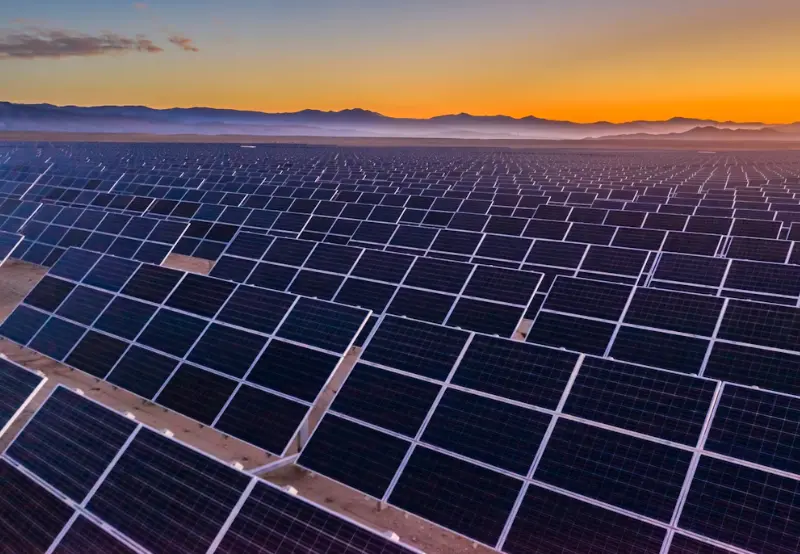

Global solar generation is projected to surpass nuclear power by mid-2025. Explore how solar is leading the clean energy race and transforming the global energy mix.
Table of Contents
- Why This Projection Matters
- How Global Solar Generation Has Evolved
- 2025 Forecast: Solar vs Nuclear
- What’s Fueling Solar’s Rapid Growth
- The Nuclear Slowdown Explained
- Case Studies: Countries Leading Solar
- Benefits of Solar Over Nuclear
- Challenges Solar Must Overcome
- A New Dawn in Global Energy
Global solar generation is on the brink of rewriting energy history. According to projections from Energy-Storage.News, Reuters, and Wikipedia, the summer of 2025 may see solar electricity output overtake nuclear power globally—a first in the clean energy transition.
From rooftop arrays to mega solar parks, this milestone isn’t just symbolic; it confirms solar’s rising dominance as a reliable, scalable, and cost-effective energy source worldwide.
1. Why This Projection Matters
This expected shift has profound implications:
- Policy direction: Energy ministries worldwide are re-evaluating nuclear investments.
- Market capital flows: Investors are moving funds from nuclear-heavy portfolios to solar and battery storage.
- Public perception: Solar’s image as a “supplementary” source is changing into a primary generation player.
2. How Global Solar Generation Has Evolved
From a negligible share in 2010, solar energy now accounts for over 5% of total global electricity generation, and that number is doubling every 3–5 years.
Highlights:
- 2010: < 1% global share
- 2020: 3.3% share
- 2024: 5.7% share
- 2025 projection: Could surpass nuclear’s 9.2%
Source: [IRENA, IEA, SolarQuarter]
3. 2025 Forecast: Solar vs Nuclear
- Solar generation expected to reach ~3,000 TWh/year globally
- Nuclear generation projected to stay near 2,850 TWh/year due to ageing plants and slower new builds
- Solar will likely surpass nuclear by Q3 2025, especially during peak summer months when solar output soars
4. What’s Fueling Solar’s Rapid Growth?
Several factors are behind solar’s meteoric rise:
a. Cost Efficiency
Solar module prices have dropped over 90% since 2010, making it the cheapest source of new electricity in over 80 countries.
b. Government Incentives
India, China, USA, EU—all offer tax credits, net metering, and production incentives for solar developers.
c. Energy Independence
Nations are choosing solar for energy sovereignty, especially in light of geopolitical tensions affecting nuclear fuel supply chains.
d. Storage Synergy
Battery storage and solar are now a viable 24/7 solution, minimising intermittency concerns.
5. The Nuclear Slowdown Explained
While nuclear remains a vital baseload option, several headwinds have slowed its global growth:
- High upfront costs: Nuclear plants cost billions to construct
- Time delays: Average project delay is 7 years
- Public opposition: Driven by disasters like Fukushima
- Ageing fleets: Many plants are nearing end-of-life, and replacements are rare
As solar thrives, nuclear finds itself in a stagnation phase.
6. Case Studies: Countries Leading the Solar Race
🇨🇳 China
- World’s largest solar installer
- Expected to have 1,200 GW of solar capacity by 2030
🇮🇳 India
- Reached 110+ GW in 2025
- Leading solar parks like Bhadla are globally benchmarked
🇪🇺 Germany
- Over 12% of its electricity now comes from solar
- Shift from nuclear post-Fukushima has fuelled solar policies
🇺🇸 United States
- Federal solar tax credits extended to 2032
- California alone has over 40 GW of solar
7.Benefits of Solar Over Nuclear
| Feature | Solar Power | Nuclear Power |
|---|---|---|
| Construction Time | 3–6 months | 7–15 years |
| Cost | $500–$1,000/kW | $6,000–$10,000/kW |
| Emissions | 0 (operational) | 0 (operational) |
| Flexibility | Modular & scalable | Centralised |
| Waste Risk | None | Radioactive waste |
| Public Support | High | Moderate/low |
Solar clearly holds the economic and logistical edge, especially in developing countries.
8. Challenges Solar Must Overcome
Despite its success, solar isn’t challenge-free:
- Land use concerns for utility-scale projects
- Supply chain disruptions for PV modules
- End-of-life recycling of panels
- Storage dependency for grid stability
Solutions like agrivoltaics, localised manufacturing, and advanced BESS are being developed rapidly.
9. A New Dawn in Global Energy
The global solar generation boom is not a temporary spike—it’s a paradigm shift. As the world transitions from fossil fuel dependency and re-evaluates nuclear costs and risks, solar is stepping into the spotlight with unprecedented momentum.
By Q3 2025, solar is expected to outpace nuclear in global electricity generation—a milestone that highlights its readiness to lead the energy future.