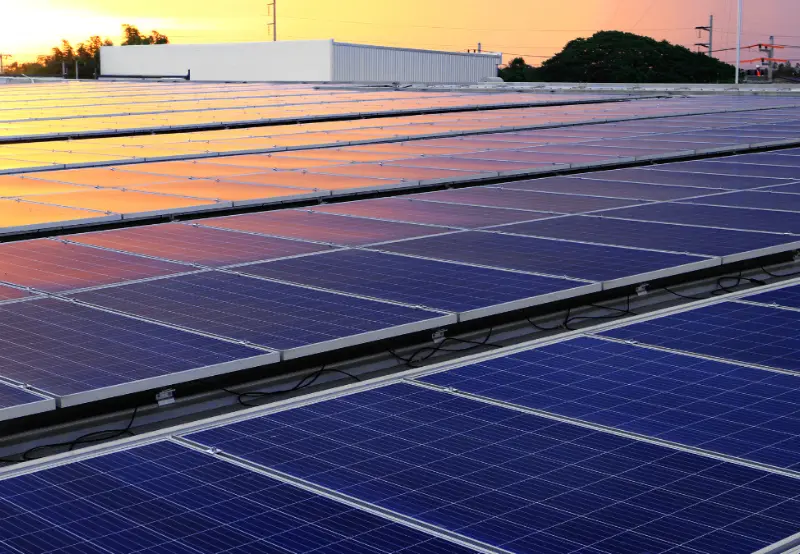

The state of Goa is moving forward with a significant renewable energy initiative, planning to develop 300 megawatts (MW) of solar power projects with an estimated investment exceeding ₹1,300 crore. The decision underscores the state’s commitment to clean energy expansion and supports India’s broader goals for decarbonising the power sector.
Solar Growth Plans in Goa
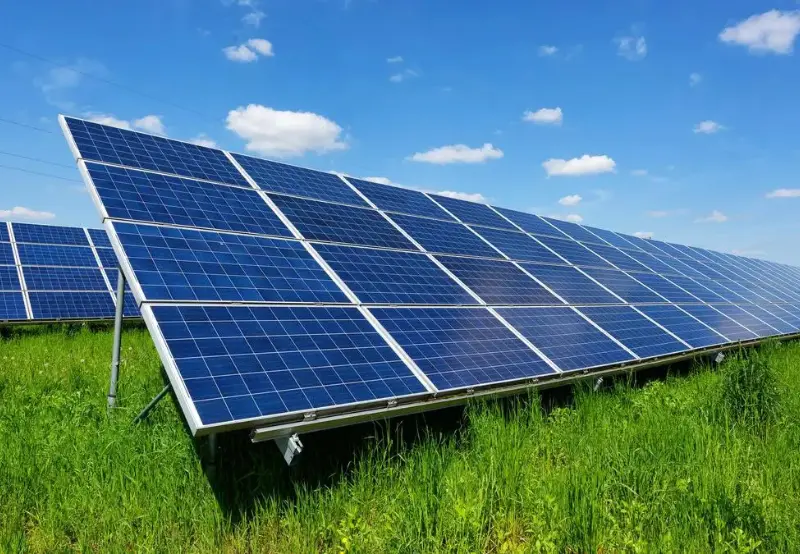
Goa’s government has approved the development of utility-scale solar plants that will be built in phases. These projects are expected to contribute substantial clean electricity to the state’s grid, reducing reliance on fossil fuel-based power and improving energy security.
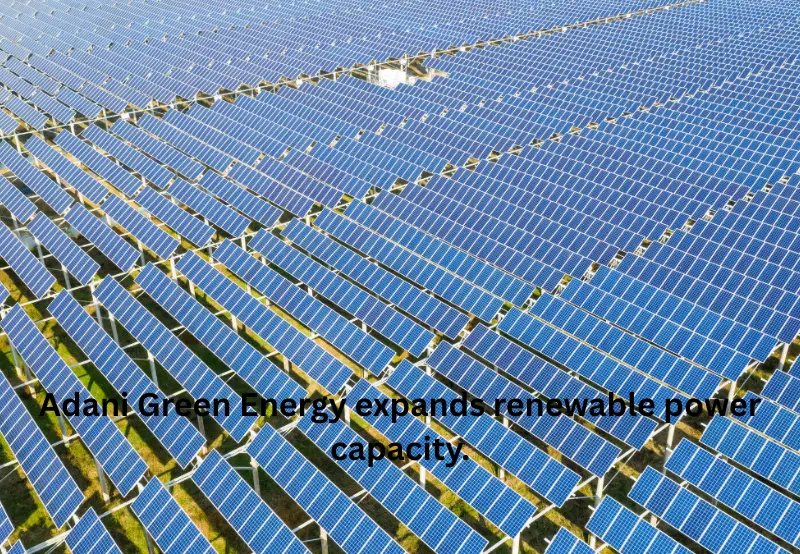
The planned solar capacity of 300 MW will be among the largest renewable installations in the region. This renewable push aligns with central and state policies aimed at promoting sustainable energy sources and increasing the share of solar generation in the overall power mix.
Investment and Implementation
The total investment for the solar projects is estimated to exceed ₹1,300 crore, covering costs associated with land acquisition, equipment procurement, civil works, transmission infrastructure and other project development activities. The initiative is likely to attract participation from private developers, power producers and renewable energy investors.
Officials have highlighted that clear policy support, streamlined approvals and financial incentives will help accelerate project implementation. These measures are intended to make solar projects commercially viable while ensuring they meet technical and environmental standards.
Energy Security and Environmental Benefits
Expanding solar capacity offers multiple benefits to Goa’s energy landscape. By generating clean electricity locally, the state can reduce dependency on imported energy and conventional thermal power. This contributes to lower greenhouse gas emissions and improved air quality, supporting climate action and sustainability goals.
Increasing solar generation also enhances grid resilience, particularly during peak demand periods when conventional power sources may be constrained. Solar power can supplement existing capacity and help stabilise supply throughout the day.
Economic Opportunities
The solar projects are expected to create employment opportunities during the construction and operational phases. Local labour will be engaged for civil works, installation, wiring and system maintenance, contributing to economic activity in surrounding communities.
Furthermore, the development of solar infrastructure can stimulate growth in allied industries such as solar manufacturing, logistics, and engineering services. Developers and investors may also explore opportunities in energy storage, solar-plus-storage hybrids and distributed rooftop systems as part of the broader renewable ecosystem.
Alignment with National Renewable Goals
Goa’s solar expansion plans fit within India’s national renewable energy targets, which seek to dramatically increase clean generation capacity in the coming decade. By focusing on solar power, the state is contributing to overall capacity additions and supporting the nation’s climate and clean energy commitments.
As India continues to transition towards a more sustainable energy future, state-level initiatives like Goa’s solar projects play an important role in accelerating deployment and demonstrating the economic and environmental value of renewables.