
Great British Energy has launched its first major strategic plan — a five-year roadmap aimed at transforming the UK’s energy landscape by 2030. The plan sets out bold targets for clean-energy generation, storage, community energy, and large-scale infrastructure investment.
What the Plan Promises
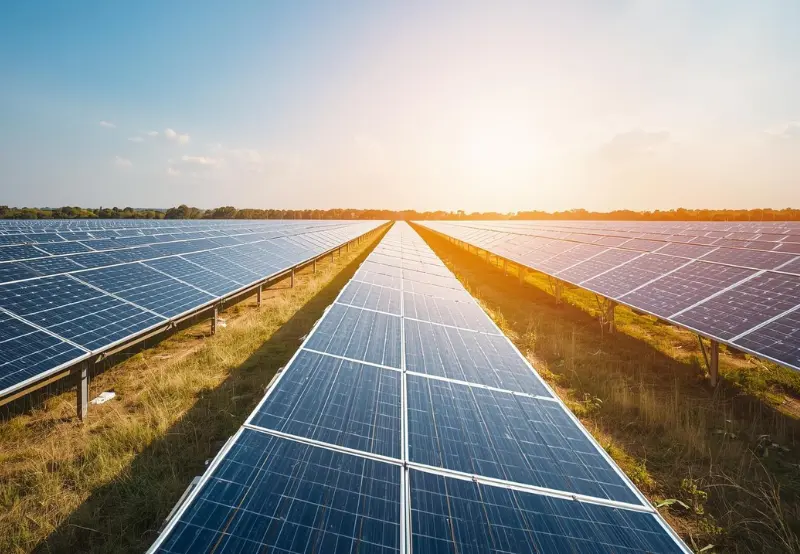
- GBE aims to deploy at least 15 GW of clean energy generation and storage capacity by 2030 — a scale that could supply power to nearly 10 million homes.
- To fuel this growth, the plan envisions mobilising around £15 billion in private investment, complementing public funding.
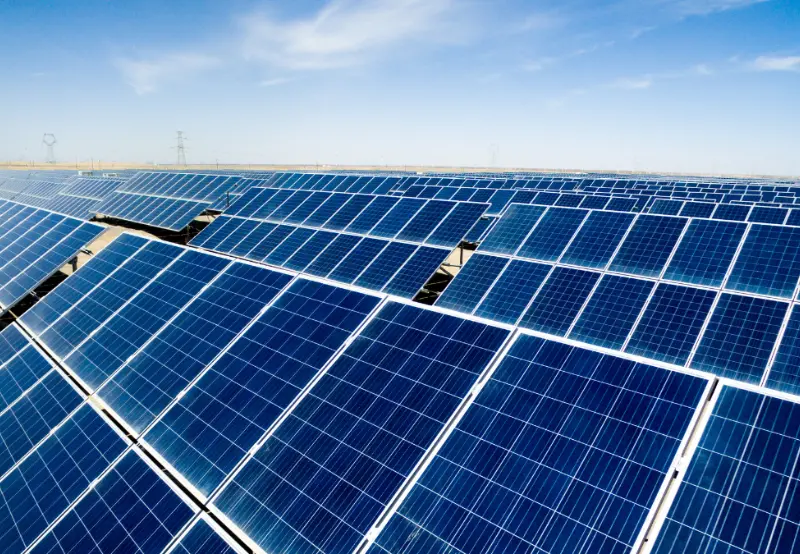
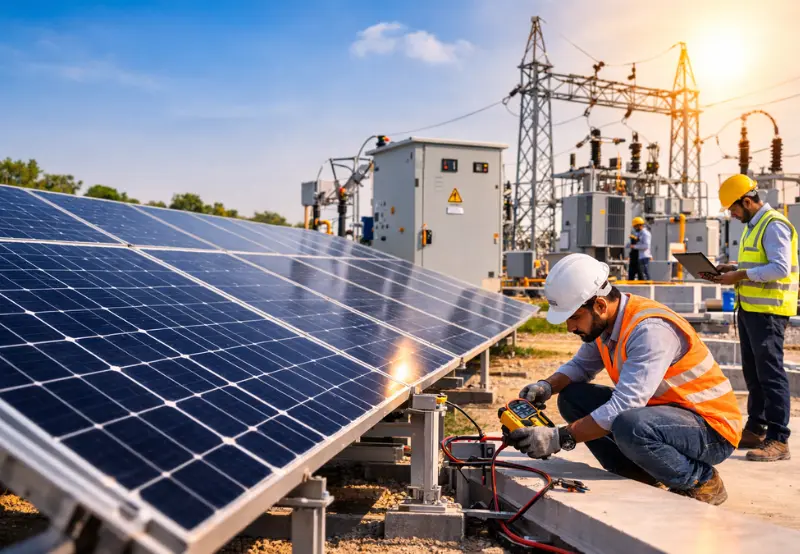
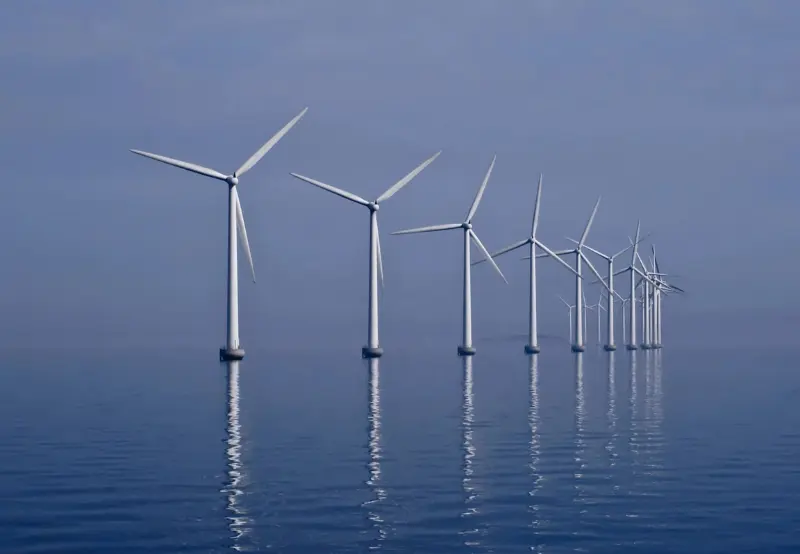
- The strategy places emphasis on a mixed portfolio: onshore and offshore wind, solar power, storage solutions, and community-owned clean energy projects — with GBE acting as both developer and equity investor.
- The plan also aims to support over 10,000 jobs, especially in regions historically dependent on fossil fuels, and to back more than 1,000 local and community energy initiatives.
Why This Is Significant
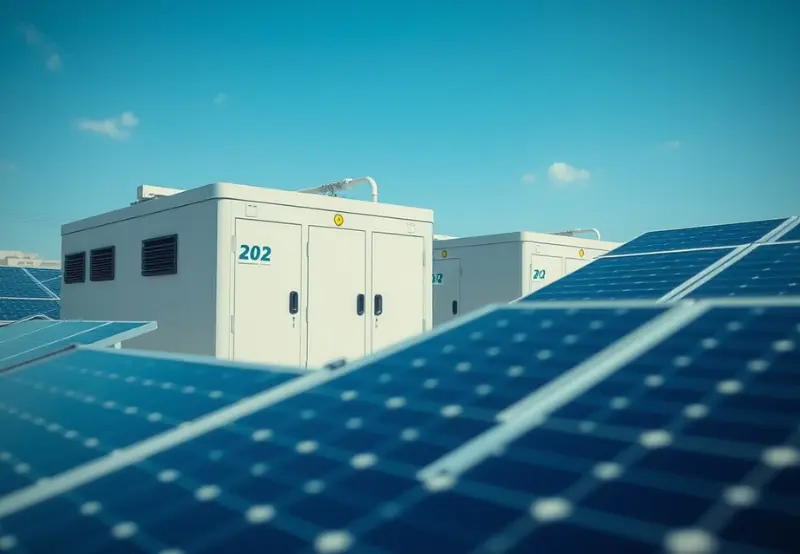
- By combining generation and storage capacity, the plan helps address one of renewable energy’s biggest hurdles: intermittency. Storage ensures that clean power can be delivered even when the sun isn’t shining or the wind isn’t blowing.
- The inclusion of community-level and public-sector energy projects means the transition isn’t only top-down — local bodies, social housing, public buildings and smaller organisations get a chance to participate in and benefit from the clean-energy push.
- Supporting a broad technology mix (wind, solar, storage) spreads risk and increases the resilience of the energy system, while helping the UK meet its decarbonisation targets.
What It Could Mean for Future Energy & Economy
- A cleaner, greener power supply for millions of homes — reducing dependence on fossil fuels, cutting carbon emissions, and improving energy security.
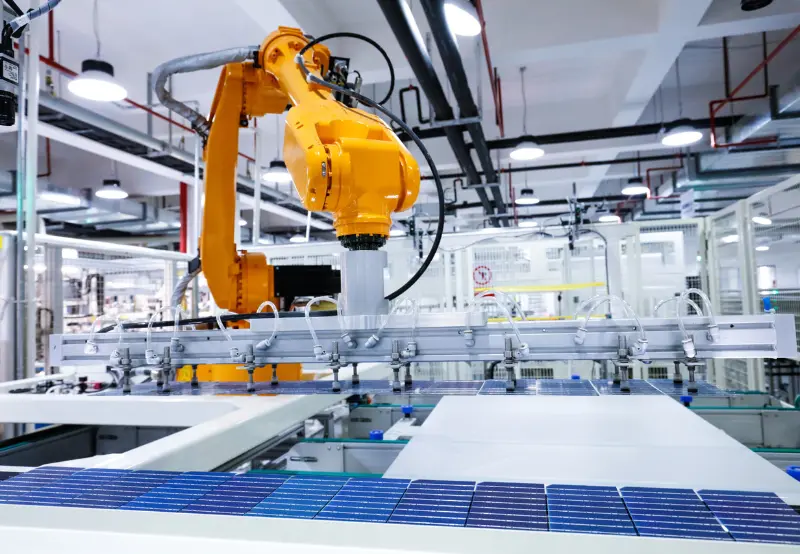
- Growth in green-industry jobs and supply-chain opportunities, especially in regions shifting away from oil and gas.
- Greater community participation in energy generation could democratise power supply, giving individuals and local bodies more control over energy costs and sustainability.
- Setting a model that other countries may watch — showing how public-sector initiative, private investment and community energy can combine to drive a large-scale clean-power transition.
Challenges & What to Watch
- Delivery on the promised scale (15 GW + storage) will require timely execution, robust infrastructure and sustained investment.
- Integrating storage with generation — especially onshore/offshore wind and solar — needs technological, regulatory and financial clarity.
- Ensuring that community and local-energy projects get fair access, proper support, and integration into the grid — not just large-scale projects.
- Making sure the transition supports workers and regions historically dependent on fossil fuels, so that green jobs replace lost jobs and communities are not left behind.
Conclusion
Great British Energy’s 2030 Clean Power Plan represents a comprehensive, forward-looking effort to reshape the UK’s energy future. By combining generation, storage, community energy, and industrial-scale renewables — backed by significant public and private investment — the plan aims not only to power millions of homes, but to build a cleaner, more inclusive and more sustainable energy system. If successfully implemented, this initiative could mark one of the most significant clean-energy shifts in recent decades.