
Gujarat Renewable Energy Expansion added 6,632 MW between April–August 2025, taking total RE capacity to 39,275.7 MW. Discover key drivers and future outlook.
📖 Table of Contents
- Introduction: Gujarat Renewable Energy Expansion in 2025
- Unprecedented Growth in Renewable Capacity
- The Role of Solar Power in Gujarat’s Expansion
- Wind Energy’s Contribution
- Why Gujarat Leads India’s Renewable Push
- Government Policies and Incentives
- Economic and Environmental Benefits
- Challenges Facing Renewable Growth
- Future Outlook and Targets
- Conclusion: Gujarat as India’s Green Powerhouse
Introduction: Gujarat Renewable Energy Expansion in 2025
Gujarat Renewable Energy Expansion has reached a major milestone in 2025. Between April and August alone, the state added approximately 6,632 MW of renewable power capacity, pushing its total renewable energy (RE) portfolio to nearly 39,275.7 MW by the end of August.
This achievement highlights Gujarat’s role as a clean energy leader in India, driving large-scale solar and wind deployment while supporting India’s national target of 500 GW renewable capacity by 2030.
Unprecedented Growth in Renewable Capacity
From April to August 2025, Gujarat added 6,632 MW of new green power capacity. To put this into perspective:
- This addition alone surpasses the total renewable capacity of several smaller states combined.
- Gujarat now contributes close to 20% of India’s total renewable capacity.
This rapid growth cements Gujarat’s position as one of the most important clean energy hubs not only in India but across Asia.
The Role of Solar Power in Gujarat’s Expansion
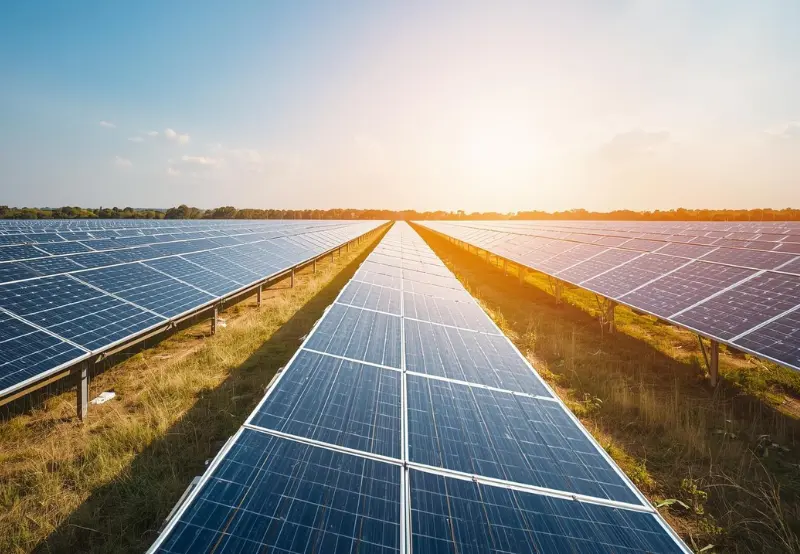
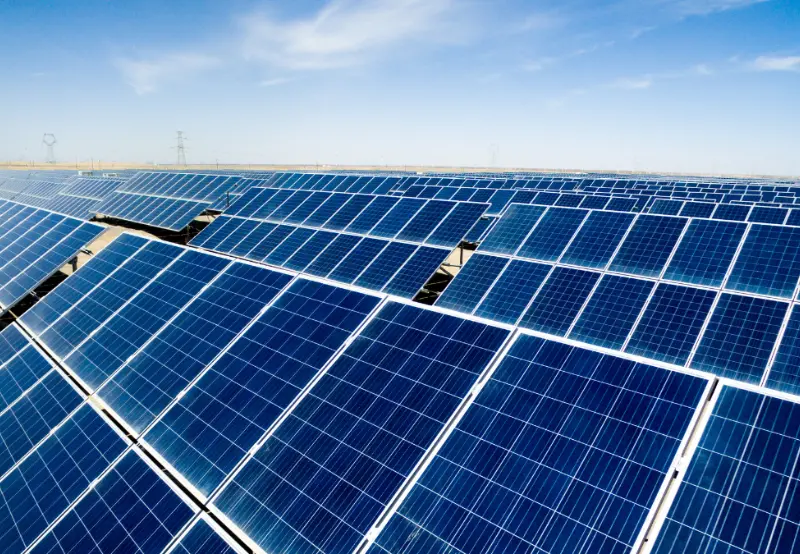
Solar energy has been at the heart of the Gujarat Renewable Energy Expansion. The state benefits from:
- High solar irradiance across regions like Kutch, Patan, and Banaskantha.
- Vast desert and semi-arid lands suitable for mega solar parks.
- Investment-friendly policies attracting private and global developers.
Key projects include:
- Dholera Solar Park – one of India’s largest planned solar parks, with a target capacity of 5,000 MW.
- Charanka Solar Park – already a flagship project showcasing Gujarat’s leadership in solar adoption.
Wind Energy’s Contribution
While solar often dominates headlines, wind power has played a crucial role in the state’s expansion. Gujarat’s coastline of over 1,600 km provides excellent wind conditions, making it one of India’s top states for wind power.
Highlights:
- New wind farms added hundreds of megawatts between April–August 2025.
- Hybrid projects (solar + wind) are becoming increasingly popular, ensuring round-the-clock renewable supply.
- Developers are also exploring offshore wind opportunities, supported by Gujarat’s maritime infrastructure.
Why Gujarat Leads India’s Renewable Push
Several factors explain Gujarat’s leadership:
- Geography: Vast land banks and coastal access.
- Policy Environment: Transparent tenders, supportive net metering, and incentives.
- Industrial Demand: High electricity consumption from industries like chemicals, textiles, and ports.
- Investment Climate: Ease of doing business and strong state-level coordination.
This combination makes Gujarat the ideal testbed for large-scale renewable deployment.
Government Policies and Incentives
The Gujarat government has been proactive in promoting renewable energy. Policies include:
- Gujarat Solar Policy 2021 – enabling both rooftop and utility-scale projects.
- Wind-Solar Hybrid Policy – encouraging hybrid installations for efficient land and grid use.
- Capital subsidies & tax benefits – to attract global and domestic investors.
Additionally, Gujarat’s open access framework allows businesses to procure clean energy directly, reducing dependency on fossil fuel-based electricity.
Economic and Environmental Benefits
The benefits of Gujarat Renewable Energy Expansion are multifaceted:
Economic Gains:
- Thousands of jobs created in construction, operations, and maintenance.
- Lower power tariffs compared to coal and gas plants.
- Attraction of billions in foreign direct investment (FDI).
Environmental Impact:
- Reduction of carbon emissions by over 25 million tonnes annually.
- Conservation of fossil fuels, reducing India’s energy import dependency.
- Boost to India’s climate commitments under the Paris Agreement.
Challenges Facing Renewable Growth
Despite success, Gujarat faces challenges:
- Grid Integration: Managing intermittent supply of solar and wind.
- Land Acquisition: Securing large tracts for mega projects without disrupting communities.
- Storage Needs: Accelerating adoption of battery storage and pumped hydro to balance demand.
- Transmission Infrastructure: Upgrading to handle growing renewable flows.
Addressing these challenges will be crucial to sustain momentum.
Future Outlook and Targets
Looking ahead, Gujarat aims to:
- Exceed 50 GW renewable capacity by 2030, aligning with India’s national targets.
- Scale hybrid renewable + storage projects to ensure 24/7 green power.
- Pioneer green hydrogen projects, leveraging abundant renewable resources.
- Continue to attract private and international investments, positioning itself as a global clean energy hub.
Conclusion: Gujarat as India’s Green Powerhouse
The Gujarat Renewable Energy Expansion story of 2025 demonstrates how regional leadership can fuel national progress. By adding 6,632 MW in just five months and reaching a total of 39,275.7 MW by August 2025, Gujarat has shown the world that ambitious policies, combined with natural advantages and investor confidence, can deliver transformational results.
As India accelerates its march towards 500 GW of renewable capacity by 2030, Gujarat will remain the epicentre of innovation, investment, and implementation, driving India closer to a clean, sustainable, and resilient energy future.
Read: Coal India 3000 MW Solar Tender | Driving India’s Clean Energy Future