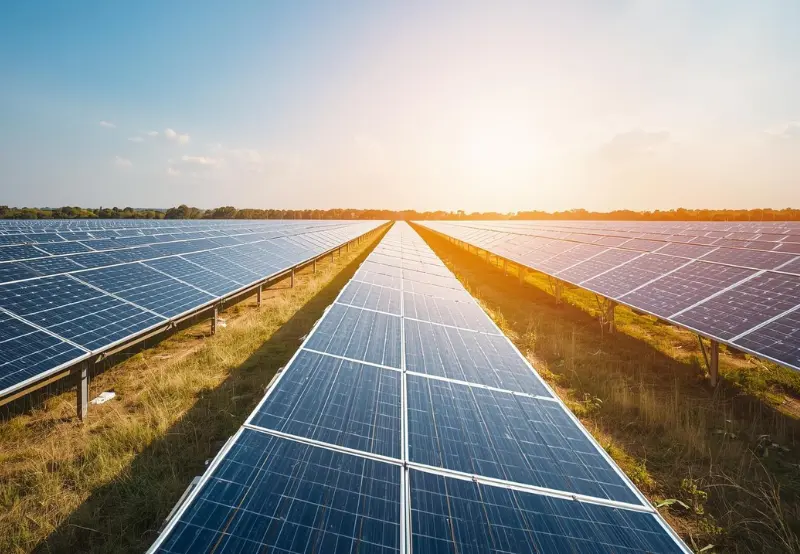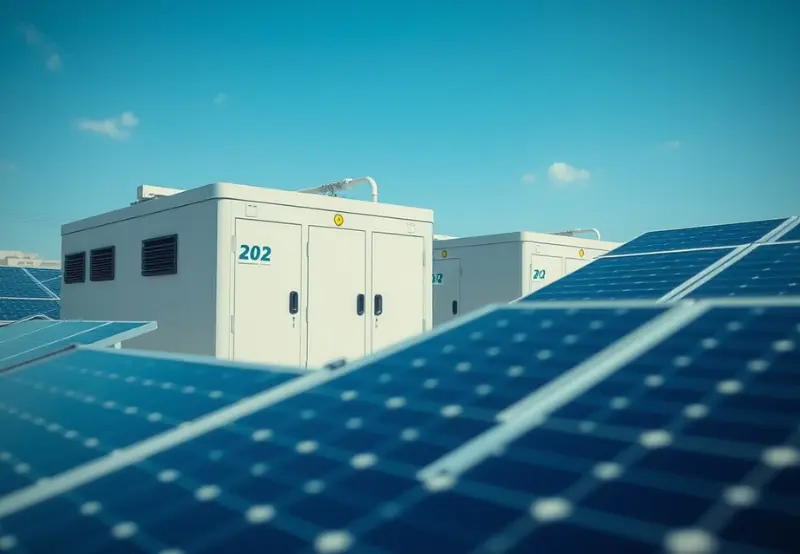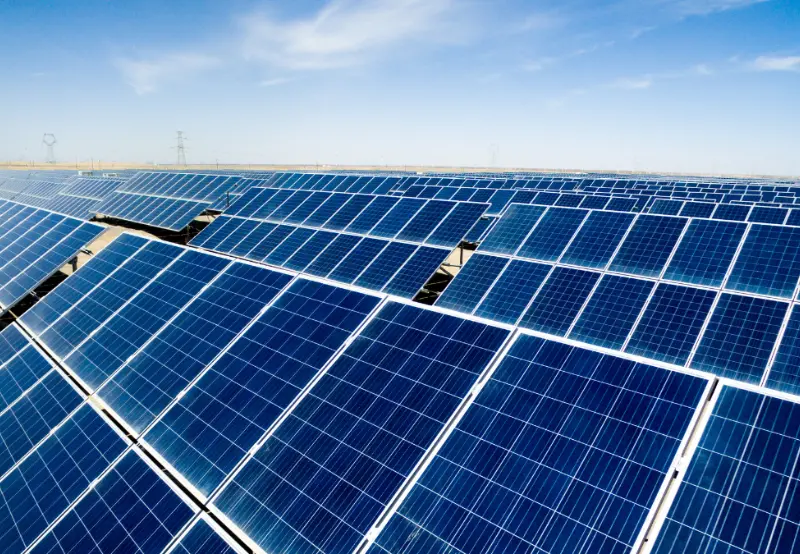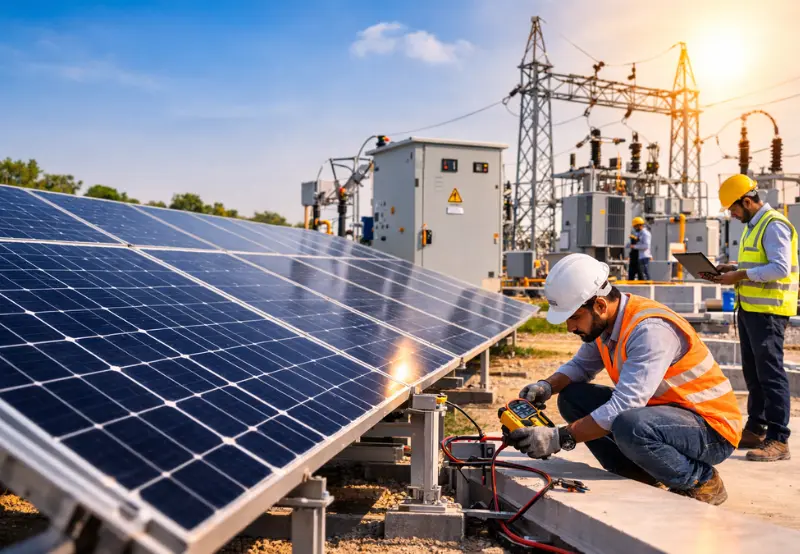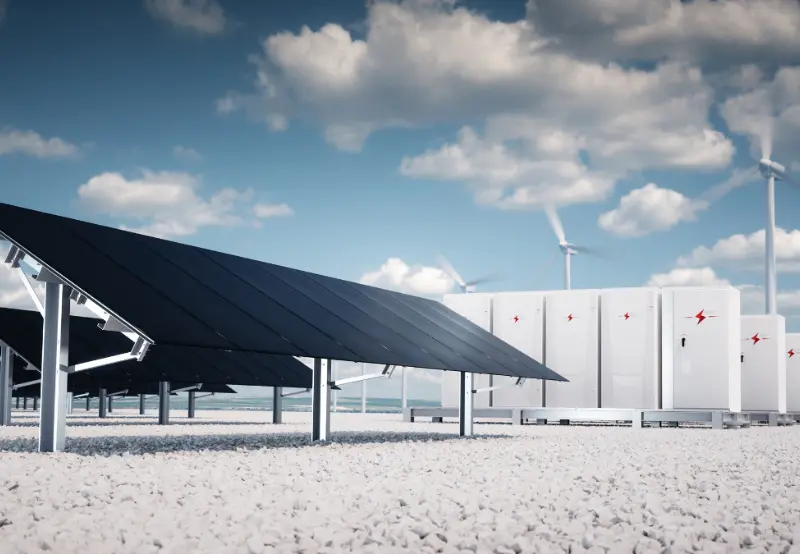

Haryana Battery Energy Storage Tender invites bids for four 2.5 MW/5 MWh projects, marking a major step towards renewable integration and grid stability in India.
Table of Contents
- Introduction
- Overview of the Haryana Battery Energy Storage Tender
- Technical Specifications of the Tender
- Why Battery Energy Storage Matters for Haryana
- The Role of Battery Storage in India’s Renewable Push
- Challenges in Grid Stability and Renewable Integration
- Policy Backing and Government Initiatives
- Economic Benefits of Battery Storage Projects
- Global Benchmarks in Energy Storage
- Future Outlook for Haryana and India
- Conclusion
1. Introduction
The recently announced Haryana Battery Energy Storage Tender marks an important step in India’s mission to build a modern, resilient, and renewable-powered grid. The tender, which calls for four grid-scale battery energy storage projects, each with a capacity of 2.5 MW/5 MWh, is designed to strengthen grid reliability and support renewable energy integration.
Battery storage has emerged as the backbone of the global clean energy transition. With India’s renewable energy target of 500 GW by 2030, storage systems like those planned in Haryana will help manage intermittency, balance load demand, and provide round-the-clock renewable power.
2.Overview of the Haryana Battery Energy Storage Tender
The Haryana Battery Energy Storage Tender is a government-led initiative to pilot distributed energy storage projects across the state. The tender is managed by Haryana’s power utilities in collaboration with the central government and renewable agencies.
The tender aims to:
- Deploy four separate BESS units of 2.5 MW/5 MWh each.
- Strengthen distribution substations.
- Demonstrate battery-based ancillary services in practice.
- Lay the foundation for larger projects across North India.
This tender is not only about storage—it represents a model for scalable replication in other states facing similar grid stability challenges.
3.Technical Specifications of the Tender
Each of the four projects will:
- Deliver 2.5 MW power output with an energy capacity of 5 MWh.
- Use lithium-ion technology as the primary storage medium.
- Be integrated with local substations for peak load management.
- Provide ancillary services such as frequency regulation, load balancing, and voltage control.
This design ensures that even at a relatively modest scale, the projects demonstrate proof-of-concept for future multi-100 MW deployments.
4.Why Battery Energy Storage Matters for Haryana
Haryana, being an industrial and agricultural hub, experiences seasonal load fluctuations and voltage instability due to heavy irrigation and manufacturing demand.
The Haryana Battery Energy Storage Tender addresses these by:
- Reducing dependence on costly peaking power plants.
- Allowing renewable energy from solar and wind to be stored and dispatched during demand peaks.
- Enhancing grid reliability for industries and households alike.
For a state like Haryana, which faces both rural electrification challenges and urban load demand, BESS is a strategic investment in reliability and resilience.
🇮🇳 5. The Role of Battery Storage in India’s Renewable Push
India has already crossed 110 GW of solar capacity and is targeting 47.24 GW of battery storage by 2032 under the National Electricity Plan. The Haryana initiative aligns with:
- National Energy Storage Mission (NESM).
- India’s 500 GW renewable energy target by 2030.
- State-level renewable procurement obligations.
With more states expected to follow Haryana’s lead, distributed BESS is likely to become a cornerstone of India’s clean energy roadmap.
🔗 Suggested Reading: https://ecodigest.in/indias-solar-capacity/
6.Challenges in Grid Stability and Renewable Integration
Despite rapid renewable adoption, India faces challenges:
- Intermittency of solar and wind power.
- Transmission bottlenecks in states like Haryana.
- Limited experience with utility-scale storage deployment.
- High upfront costs of batteries.
The Haryana Battery Energy Storage Tender will serve as a learning platform to overcome these barriers, building expertise and confidence in the sector.
7.Policy Backing and Government Initiatives
The success of this tender is underpinned by national and state policies:
- Ministry of Power’s 2022 storage mandate requiring renewable-plus-storage in future auctions.
- Haryana State Solar Policy 2021, which emphasises distributed solutions.
- PLI scheme supporting domestic manufacturing of lithium-ion cells.
Together, these policies create a favourable ecosystem for battery adoption in India.
8.Economic Benefits of Battery Storage Projects
Battery storage projects like those in Haryana offer:
- Reduced dependence on imported coal and gas.
- Savings in transmission and distribution upgrades.
- Lower system costs through peak shaving.
- Revenue opportunities via ancillary services and capacity markets.
Recent studies by ICRA suggest that storage could reduce India’s power system costs by 15–20% by 2030, making it both economically and environmentally attractive.
9.Global Benchmarks in Energy Storage
Globally, large-scale battery storage is booming:
- Australia: Hornsdale Power Reserve (150 MW/194 MWh).
- USA: Moss Landing Energy Storage (400 MW/1,600 MWh).
- China: Ambitious 100 GW storage targets by 2030.
While Haryana’s projects are smaller, they reflect India’s gradual but steady move into the global energy storage arena.
10.Future Outlook for Haryana and India
By 2030, India is expected to host hundreds of distributed storage projects like Haryana’s. The Haryana Battery Energy Storage Tender demonstrates:
- A scalable framework for rural and urban storage solutions.
- Pathways for public-private collaboration.
- A model for industrial and agricultural resilience.
As costs continue to fall, India’s grid will see increased deployment of BESS across all states, with Haryana being a front-runner.
11.Conclusion
The Haryana Battery Energy Storage Tender is more than a procurement exercise—it represents a transformational shift in India’s energy landscape. By combining modest-scale pilots with strong policy backing, Haryana is setting the stage for widespread adoption of storage technologies nationwide.
This initiative underscores India’s commitment to a clean, reliable, and economically viable energy future, where states play a pivotal role in driving innovation.