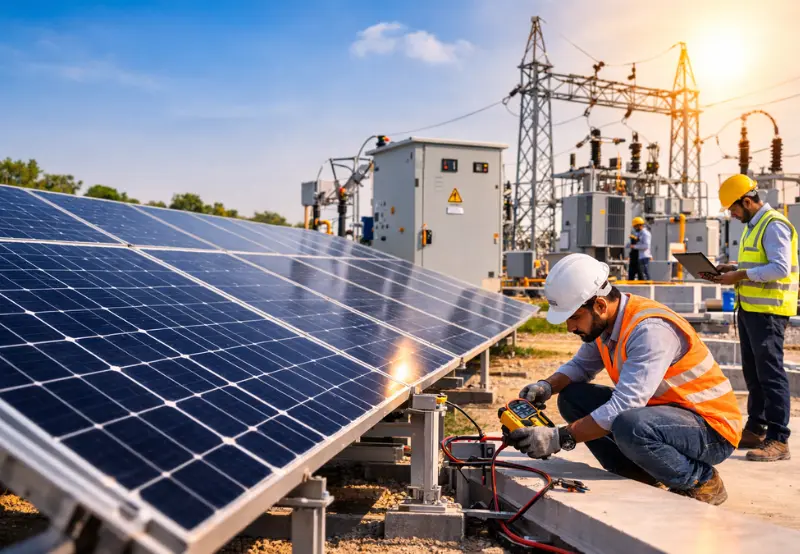
Researchers in India have developed a high-efficiency EV charging system combining PV panels and fuel cells with MPPT, achieving 98.7% efficiency. A breakthrough in green mobility.
Table of Contents
- Introduction
- The Need for High-Efficiency EV Charging Systems
- How PV and Fuel Cells Power EV Charging
- Maximum Power Point Tracking (MPPT) Explained
- Breakthrough: 98.7% Efficiency in Charging
- Environmental and Economic Benefits
- Comparison with Conventional Charging Systems
- Challenges in Scaling This Technology
- Global Trends in EV Charging Innovations
- India’s Role in Shaping EV Infrastructure
- Future Outlook for PV + Fuel Cell Charging
- Conclusion
🌍 Introduction
The High-Efficiency EV Charging System developed by Indian researchers represents a groundbreaking shift in how electric vehicles could be powered in the near future. By combining photovoltaic (PV) panels with proton-exchange membrane (PEM) fuel cells, and using a sophisticated Maximum Power Point Tracking (MPPT) system, this innovation delivers charging efficiency levels as high as 98.7%.
This milestone not only reduces reliance on fossil fuels but also opens new doors for low-carbon, decentralised EV infrastructure. With EV adoption soaring globally, the integration of renewable charging methods is critical to ensuring both environmental sustainability and economic feasibility.
⚡ The Need for High-Efficiency EV Charging Systems
Electric mobility is the backbone of a sustainable transport future. However, EV adoption faces challenges like:
- Slow charging times
- High energy demand on power grids
- Dependence on coal-based electricity in many regions
A High-Efficiency EV Charging System addresses these challenges by:
- Using solar PV panels to harness free, renewable energy
- Adding fuel cells to provide backup and stability
- Enhancing efficiency with MPPT technology, reducing energy loss
Such systems can significantly reduce carbon footprints while ensuring faster and more reliable charging for EV owners.
☀️ How PV and Fuel Cells Power EV Charging
The combination of PV and fuel cells offers a dual-source solution:
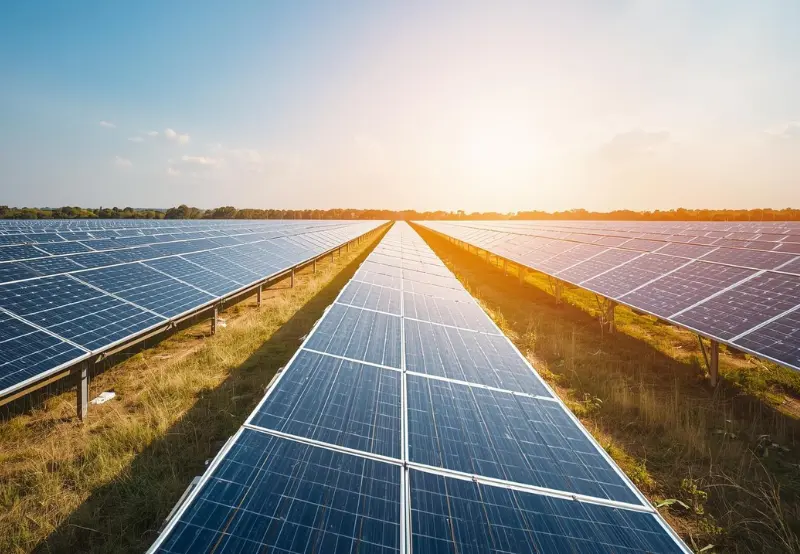
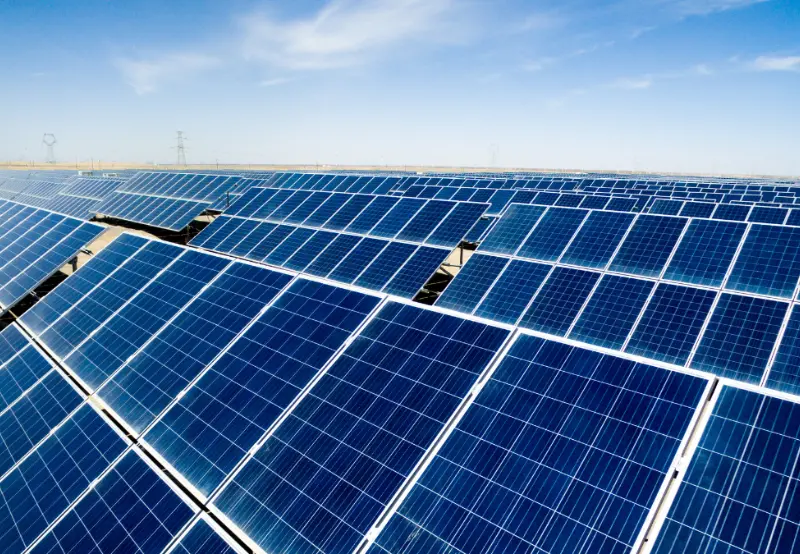
- PV Panels: Convert sunlight into direct current (DC) electricity, perfect for charging EV batteries during the day.
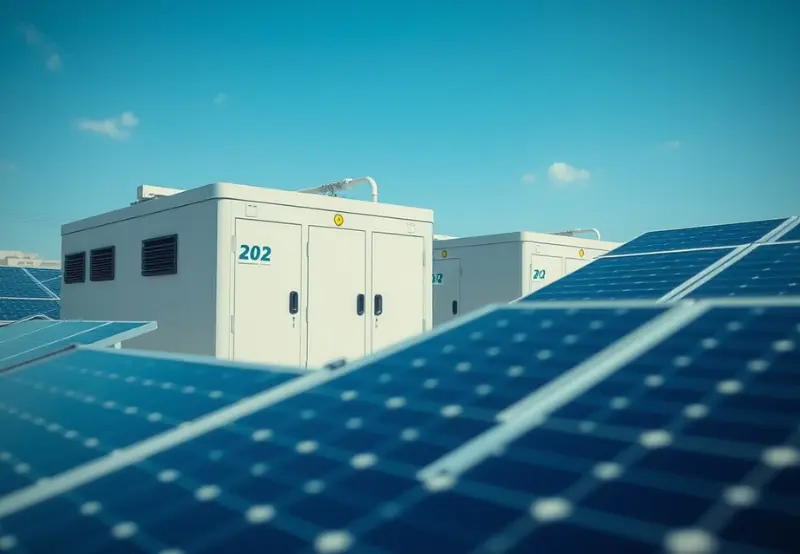
- PEM Fuel Cells: Use hydrogen to generate electricity without combustion, offering a zero-emission backup power source during cloudy days or night-time.
Together, these energy sources create a hybrid, sustainable EV charging station capable of working around the clock.
🔬 Maximum Power Point Tracking (MPPT) Explained
At the heart of this innovation is Maximum Power Point Tracking (MPPT), a technology designed to optimise energy extraction from PV panels and fuel cells.
MPPT continuously monitors output and adjusts the operating point to ensure that the system works at its maximum efficiency, even under fluctuating sunlight and load conditions.
Without MPPT, significant energy is lost due to mismatched voltage or current levels. With MPPT, researchers have achieved up to 98.7% charging efficiency, a record-breaking figure in the EV charging sector.
🚗 Breakthrough: 98.7% Efficiency in Charging
The newly developed High-Efficiency EV Charging System achieved 98.7% efficiency under controlled testing. To put this into perspective:
- Standard EV charging stations typically operate at 85–92% efficiency.
- The new system cuts energy loss to less than 2%, ensuring nearly all captured energy goes directly into charging the vehicle.
This leap in efficiency could translate into:
- Lower charging costs for consumers
- Reduced strain on electricity grids
- Faster charging times
🌱 Environmental and Economic Benefits
The benefits of this innovation go beyond efficiency:
- Lower Emissions: By combining PV and fuel cells, the system ensures ultra-low carbon charging.
- Energy Independence: Reduces dependence on fossil fuel-based grids.
- Economic Savings: Businesses and households can save significantly on fuel and electricity costs.
- Scalability: Modular systems can be deployed for homes, fleets, or large-scale EV charging stations.
According to the International Energy Agency (IEA), transport contributes nearly 37% of CO₂ emissions globally. Solutions like this charging system can play a critical role in reducing emissions.
⚖️ Comparison with Conventional Charging Systems
| Feature | Conventional Charging | PV + Fuel Cell Charging |
|---|---|---|
| Efficiency | 85–92% | 98.7% |
| Energy Source | Grid-based (often fossil fuels) | Solar PV + Hydrogen Fuel Cells |
| Carbon Emissions | Medium to High | Ultra-low |
| Scalability | High but grid-dependent | Modular, decentralised |
This table clearly shows how High-Efficiency EV Charging Systems outperform traditional infrastructure.
Challenges in Scaling This Technology
While the system is promising, several hurdles remain:
- High upfront costs for fuel cell technology
- Limited hydrogen infrastructure in many regions
- Need for skilled workforce to manage hybrid charging systems
- Policy and regulatory alignment for decentralised energy
However, with falling solar and hydrogen costs, these challenges are expected to ease in the coming decade.
🌐 Global Trends in EV Charging Innovations
Countries worldwide are experimenting with renewable-based EV charging:
- Japan: Nissan is testing solar + storage EV charging hubs.
- Germany: Using second-life EV batteries for decentralised charging storage.
- USA: Tesla Superchargers increasingly powered by solar + battery storage.
India’s innovation with PV + fuel cell integration sets a new benchmark globally, proving that emerging economies can lead in green tech.
🇮🇳 India’s Role in Shaping EV Infrastructure
India is one of the fastest-growing EV markets, projected to reach 10 million EVs by 2030. With government schemes like FAME II and National Hydrogen Mission, India is focusing heavily on clean mobility.
The development of this High-Efficiency EV Charging System aligns perfectly with India’s goals to:
- Cut oil imports
- Reduce urban air pollution
- Strengthen renewable infrastructure
🔗 Related Read: India’s Renewable Infrastructure Transformation
🔮 Future Outlook for PV + Fuel Cell Charging
The road ahead for this technology looks promising:
- Hydrogen costs are expected to fall by 50% by 2030.
- Solar PV module prices are at record lows.
- Global EV sales projected to reach 250 million by 2030.
This combination creates fertile ground for PV + Fuel Cell EV charging to become mainstream.
Experts suggest that within a decade, hybrid charging systems could power entire EV fleets, public transport systems, and smart cities, reducing dependence on fossil fuels dramatically.
Conclusion
The High-Efficiency EV Charging System combining PV panels and fuel cells is more than just an academic breakthrough—it’s a vision of sustainable mobility. With efficiency levels touching 98.7%, this system not only reduces emissions but also proves that renewable charging can be both reliable and cost-effective.
As EV adoption accelerates worldwide, innovations like these will shape the green transport revolution, creating cleaner air, stronger economies, and a more resilient planet.