
Stellantis unveils the IBIS battery system with Saft/TotalEnergies, integrating inverter & charger into the pack for lighter, faster, and smarter EVs.
Discover Stellantis’ new IBIS Battery System – the Intelligent Battery Integrated System that cuts EV weight, boosts charging speed, and enhances efficiency for the future of electric mobility.
What is the IBIS Battery System?
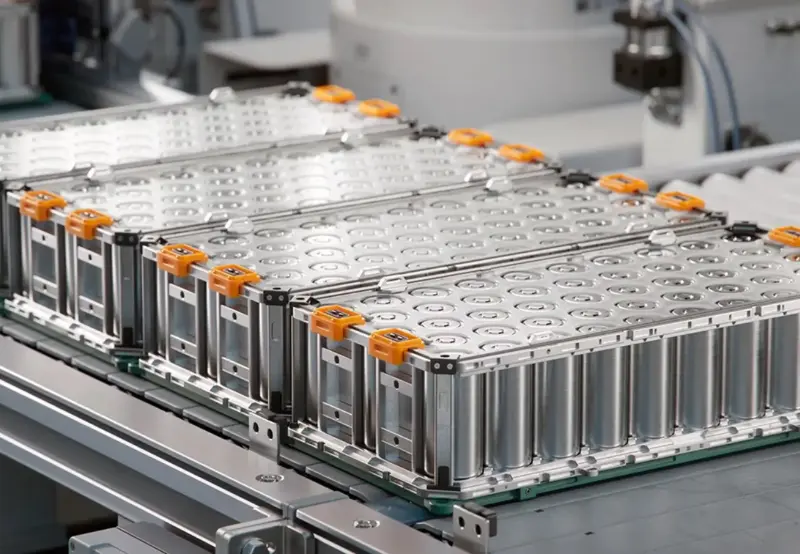
The IBIS Battery System, unveiled by Stellantis in partnership with Saft (a subsidiary of TotalEnergies), marks a radical innovation in electric vehicle (EV) technology. IBIS stands for Intelligent Battery Integrated System, and it combines the inverter and charger directly into the battery pack itself.
This integrated design streamlines the EV architecture, reduces complexity, lowers weight, and delivers significant performance upgrades. By cutting around 40 kilograms of weight, the IBIS system improves efficiency and sustainability in one stroke.
Why Stellantis Developed IBIS
Stellantis, one of the world’s leading automotive groups (home to Jeep, Fiat, Peugeot, Citroën, and more), aims to make EVs more affordable, efficient, and user-friendly.
The main challenges with traditional EV batteries include:
- Bulky design due to separate inverter and charger units.
- Slower charging times compared to consumer expectations.
- Energy loss during conversion processes.
The IBIS Battery System directly addresses these limitations, positioning Stellantis as a leader in next-generation EV innovation.
How the IBIS Battery System Works
Unlike conventional EVs that use separate modules, IBIS integrates the inverter and charger into the battery pack itself.
🔑 How it changes EV performance:
- The inverter (which converts DC battery power to AC for the motor) is embedded in the pack.
- The charger (for converting AC power from the grid to DC for storage) is also built in.
This integration reduces the need for bulky wiring, minimises heat losses, and simplifies manufacturing.
Key Benefits of IBIS for EVs
1. Weight Reduction
The IBIS Battery System trims about 40 kg from the overall vehicle weight, boosting efficiency and extending range potential.
2. Faster Charging
With ~15% faster charging speeds, IBIS delivers a better user experience and reduces range anxiety.
3. Higher Energy Efficiency
By cutting conversion losses, IBIS increases overall system efficiency, which translates into more kilometres per charge.
4. Simplified Architecture
With fewer components, Stellantis can reduce manufacturing costs, potentially making EVs more affordable for consumers.
5. Sustainability Gains
Lighter cars consume less energy, reducing both lifecycle emissions and resource intensity.
Industry Impact and Future Applications
The IBIS Battery System is more than a Stellantis project—it’s a potential industry disruptor. If adopted widely, this integrated approach could become the new standard in EV battery design.
Beyond cars, IBIS could be applied to buses, commercial fleets, and even stationary energy storage systems, improving efficiency across multiple industries.
Comparison with Traditional Battery Systems
| Feature | Traditional EV Battery | IBIS Battery System |
|---|---|---|
| Inverter Location | Separate unit | Integrated in pack |
| Charger Location | Separate unit | Integrated in pack |
| Vehicle Weight | Heavier | ~40 kg lighter |
| Charging Speed | Standard | ~15% faster |
| Efficiency | Energy loss in wiring | Higher, less loss |
| Manufacturing Complexity | More components | Simplified design |
Stellantis and Saft: Collaboration Behind IBIS
This breakthrough is the result of close collaboration between Stellantis and Saft, a subsidiary of TotalEnergies, known for its expertise in advanced energy storage solutions.
Saft brought deep technical knowledge in battery chemistry and system integration, while Stellantis focused on scaling the technology for mass automotive applications.
What IBIS Means for Consumers
For EV drivers, the IBIS Battery System promises:
- More driving range due to efficiency gains.
- Shorter waiting times at charging stations.
- Potential cost reductions as the design becomes mainstream.
- Improved reliability thanks to fewer components.
In other words, IBIS brings us closer to EVs that are as convenient and affordable as petrol cars—but far cleaner.
Global EV Market Outlook with IBIS
The global EV market is expected to surpass 40 million units annually by 2030. Innovations like the IBIS Battery System will be crucial in meeting this demand while lowering costs and improving performance.
Countries like India, the EU, and the US are pushing for faster EV adoption with regulatory incentives and emissions reduction targets. IBIS could help Stellantis and other automakers gain an edge in this fast-moving market.
For more insights into global EV and clean energy trends, check out EV News
Final Thoughts
The IBIS Battery System by Stellantis and Saft is a milestone in the evolution of electric mobility. By integrating the inverter and charger into the battery pack, Stellantis has reduced weight, increased efficiency, and accelerated charging speeds.
This innovation is not just about making EVs better—it’s about redefining the standard for the entire industry. With IBIS, the dream of faster, smarter, and more sustainable electric cars moves one step closer to reality.