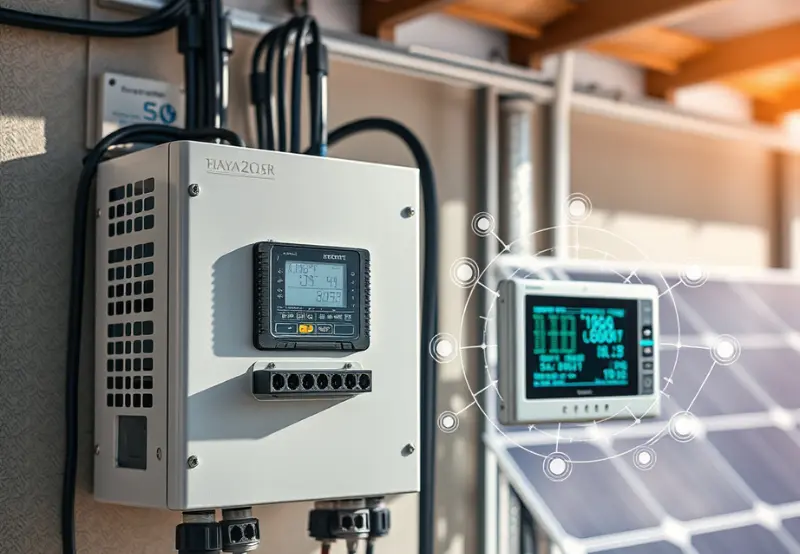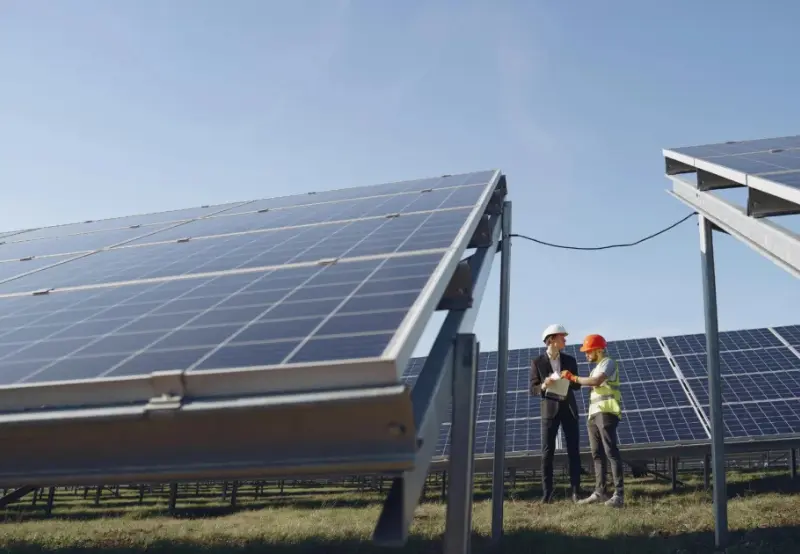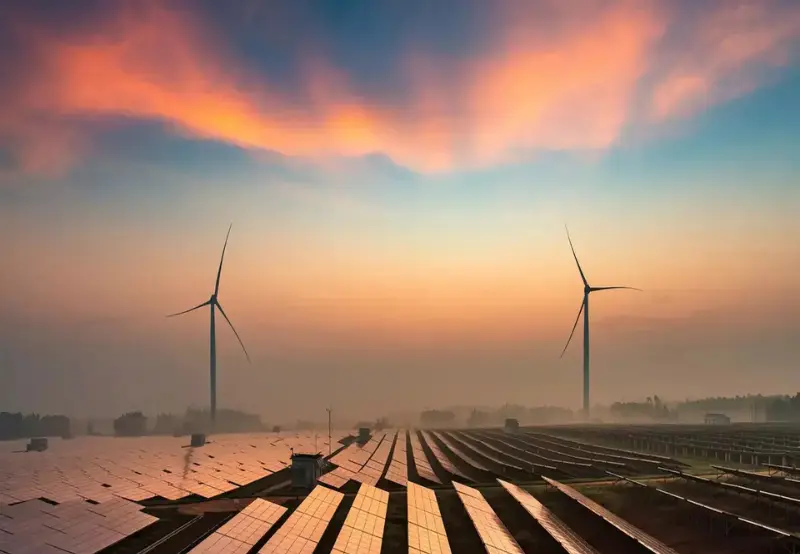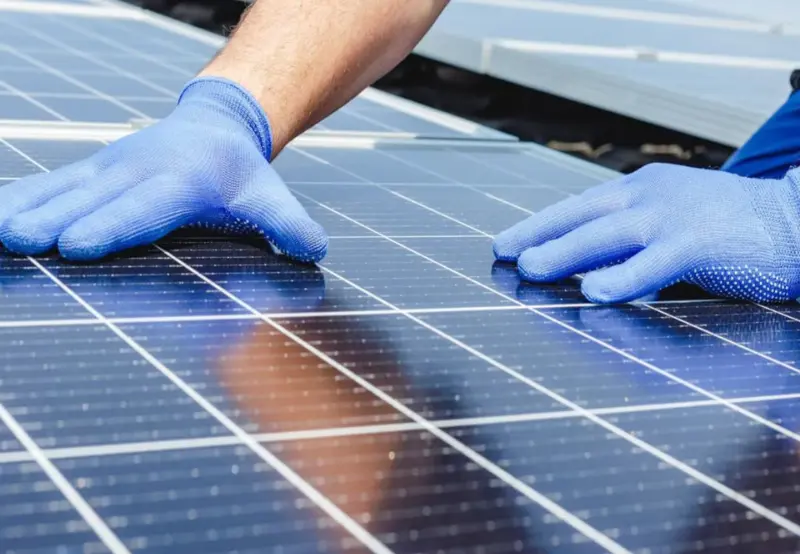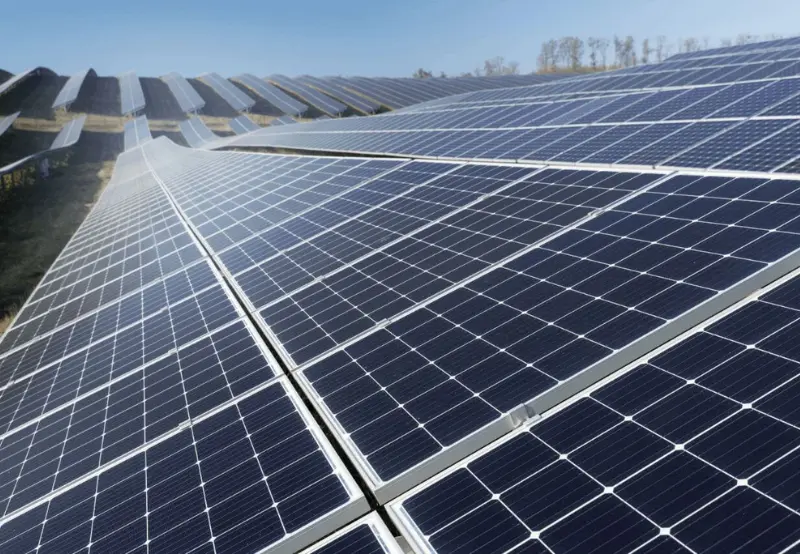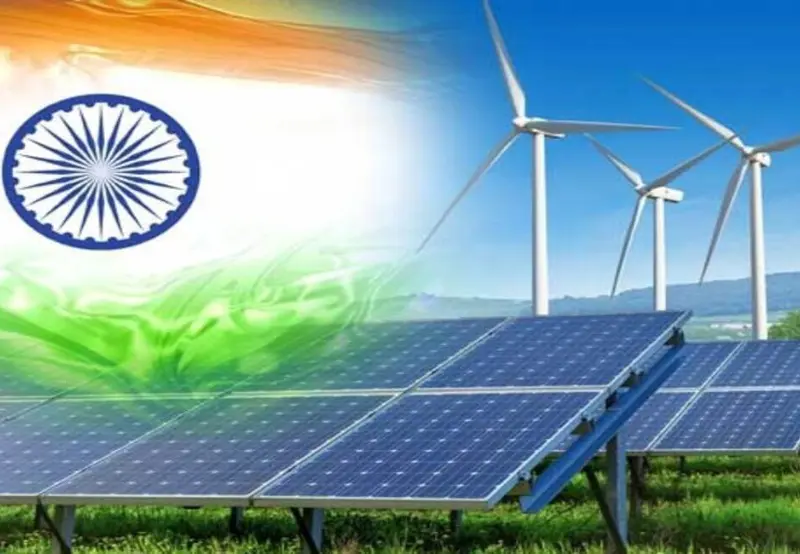

India has achieved a major milestone in its clean energy journey by becoming the world’s third-largest solar power producer, while the PM Surya Ghar: Muft Bijli Yojana has surpassed three million household rooftop solar installations. This dual achievement highlights the country’s rapid progress in expanding renewable energy access at both utility and residential levels.
Rapid Growth in Solar Power Capacity
India’s rise to the third position globally reflects its strong focus on scaling solar energy capacity. Over the past decade, the country has significantly expanded its solar infrastructure through:
- Large-scale solar parks
- Rooftop solar programmes
- Corporate renewable energy investments
Solar power has now become a key pillar of India’s energy mix, contributing substantially to its renewable energy capacity.
PM Surya Ghar Scheme Gains Momentum
The PM Surya Ghar: Muft Bijli Yojana, launched to promote rooftop solar adoption, has seen impressive growth, crossing three million households. The scheme aims to:
- Provide free or low-cost electricity to households
- Reduce dependence on conventional grid power
- Encourage decentralised energy generation
By enabling households to generate their own electricity, the programme is transforming the way energy is consumed and distributed.
Benefits for Households
The widespread adoption of rooftop solar systems under the scheme is delivering multiple benefits:
- Lower electricity bills
- Increased energy independence
- Reduced carbon footprint
- Reliable power supply
This initiative is particularly impactful in semi-urban and rural areas, where access to consistent electricity has been a challenge.
Strengthening Energy Security
India’s growth in solar power is also enhancing its energy security by reducing reliance on imported fossil fuels. The expansion of renewable energy sources helps shield the economy from global fuel price volatility while supporting sustainable development.
Supporting Climate Goals
The milestone aligns with India’s broader commitment to climate action. The country has set ambitious targets to increase non-fossil fuel capacity and reduce carbon emissions.
Solar energy, being clean and abundant, plays a central role in achieving these goals and transitioning towards a low-carbon economy.
Challenges and the Road Ahead
Despite the progress, challenges remain, including:
- Grid integration of large-scale renewable energy
- Need for energy storage solutions
- Upgrading transmission infrastructure
However, continued policy support, technological innovation, and investment are expected to address these issues.
Outlook
With the rapid expansion of rooftop solar and large-scale projects, India is well-positioned to strengthen its global standing in renewable energy. The success of initiatives like PM Surya Ghar indicates strong public participation in the clean energy transition.
Conclusion
India’s emergence as the third-largest solar power producer, combined with the success of the PM Surya Ghar scheme, marks a significant step towards a sustainable and energy-secure future. As adoption continues to grow, solar power will remain a driving force in shaping the country’s energy landscape.