
India curbs solar output to stabilise the grid amid transmission delays and oversupply. Learn how curtailments cost $26m+ and what solutions can fix the crisis.
Table of Contents
- Introduction
- India Curbs Solar Output: What’s Happening?
- Curtailments in Rajasthan: A Case Study
- The Financial Impact on Solar Developers
- Transmission Delays: A Weak Link in India’s Green Transition
- The Role of Storage in Avoiding Curtailment
- Government Policy & Developer Concerns
- How Other Countries Handle Grid Congestion
- Long-Term Risks of Frequent Curtailment
- Solutions and the Way Forward
- Conclusion
1.Introduction
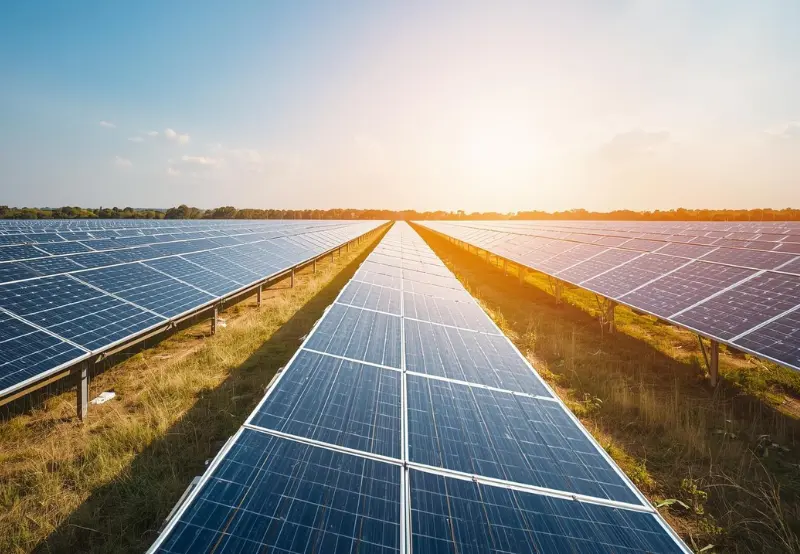
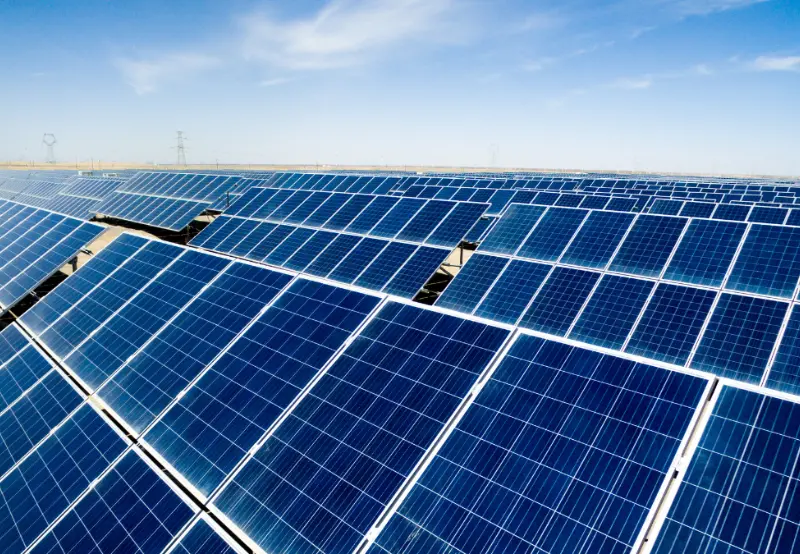
India curbs solar output—a reality that highlights the growing pains of a rapidly expanding renewable energy sector. While the nation boasts over 110 GW of installed solar capacity, this remarkable achievement is being overshadowed by increasing curtailments.
In Rajasthan, one of India’s solar hubs, developers report curtailments as high as 48% during peak generation hours, costing the industry over USD 26 million since April 2024.
The situation raises a critical question: Can India meet its 500 GW renewable energy target by 2030 if transmission bottlenecks and grid instability persist?
2.India Curbs Solar Output: What’s Happening?
Curtailment occurs when power producers are asked to reduce or completely stop generating electricity, not because of lack of demand, but due to grid congestion or technical constraints.
India curbs solar output mainly due to:
- Oversupply during low demand hours
- Transmission line bottlenecks
- Delayed commissioning of grid infrastructure
- Lack of large-scale battery storage
This phenomenon not only undermines investor confidence but also contradicts India’s clean energy commitments.
3.Curtailments in Rajasthan: A Case Study
Rajasthan leads India in solar capacity, hosting mega projects like Bhadla Solar Park. However, developers in the state report curtailments up to 48% during mid-day peak generation.
This is particularly concerning as Rajasthan is expected to drive future solar growth. Without immediate intervention, the state could become a bottleneck instead of a clean energy leader.
4.The Financial Impact on Solar Developers
When India curbs solar output, the losses are substantial:
- Since April 2024, developers report USD 26+ million in revenue losses.
- Independent Power Producers (IPPs) face repayment risks on loans.
- International investors are increasingly cautious about India’s policy reliability.
These financial shocks can derail the pace of solar investments—ironically when India needs them the most.
5.Transmission Delays: A Weak Link in India’s Green Transition
One of the biggest reasons why India curbs solar output is delayed transmission infrastructure. Projects meant to evacuate renewable power have been stalled for up to two years.
This delay creates:
- Bottlenecks in high-generation states like Rajasthan, Gujarat, and Tamil Nadu
- Dependency on outdated lines that cannot carry high loads
- Regional imbalances where some states face shortages while others waste surplus clean energy
6.The Role of Storage in Avoiding Curtailment
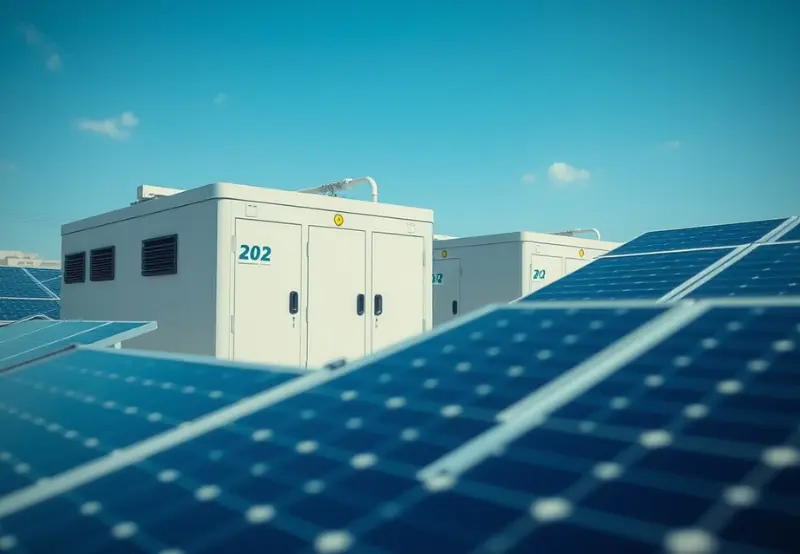
Battery Energy Storage Systems (BESS) could transform the way India manages solar oversupply. By storing excess power during the day and releasing it at night, curtailment can be drastically reduced.
For instance:
- India currently has 200+ MWh of operational BESS capacity
- The government targets 47 GW/236 GWh of storage by 2032
- Falling battery costs (to ~$55/kWh by 2025) make storage economically viable
Without accelerated storage deployment, curtailments will continue to rise.
7.Government Policy & Developer Concerns
Solar developers are calling on the government to:
- Fast-track transmission projects delayed by years
- Provide clear curtailment compensation mechanisms
- Ensure time-of-day pricing policies to incentivise storage adoption
The lack of clarity on curtailment rules undermines confidence, particularly among foreign investors funding India’s clean energy mission.
8.How Other Countries Handle Grid Congestion
Globally, renewable-rich nations face similar issues but adopt proactive solutions:
- Germany invests in cross-border grid connections to balance supply.
- Australia deploys large-scale batteries like the Hornsdale Power Reserve.
- China builds ultra-high-voltage transmission lines to carry renewable power across provinces.
India can adapt these lessons to avoid long-term bottlenecks.
9.Long-Term Risks of Frequent Curtailment
If India curbs solar output frequently, risks include:
- Investor withdrawal from renewable projects
- Slowed progress towards climate commitments
- Increased reliance on coal during peak demand
- Reputational damage in global clean energy rankings
10.Solutions and the Way Forward
Experts suggest a multi-pronged approach:
- Accelerate grid expansion through PPP models
- Invest in storage integration at solar park level
- Implement flexible tariffs to reduce curtailment disincentives
- Strengthen coordination between central and state utilities
With these reforms, India can ensure solar energy isn’t wasted, but fully harnessed.
11.Conclusion
The reality that India curbs solar output underscores the paradox of progress. On one hand, the country is scaling solar faster than most nations. On the other, infrastructure and policy gaps are holding back its true potential.
Unless grid upgrades and storage rollouts catch up, curtailments will remain an obstacle to India’s 500 GW renewable energy vision by 2030.
The time to act is now—before financial losses, policy uncertainty, and wasted solar power overshadow India’s green energy revolution.
🔗 Read More:https://ecodigest.in/reliance-infrastructure-solar-project/