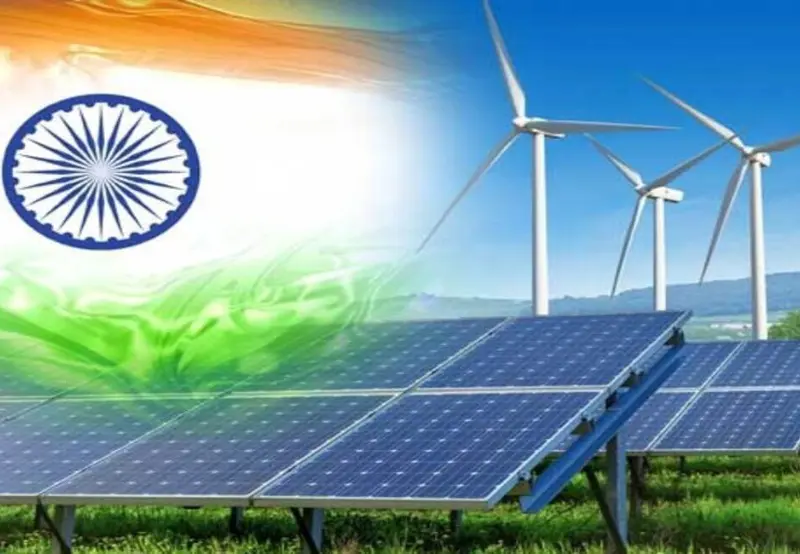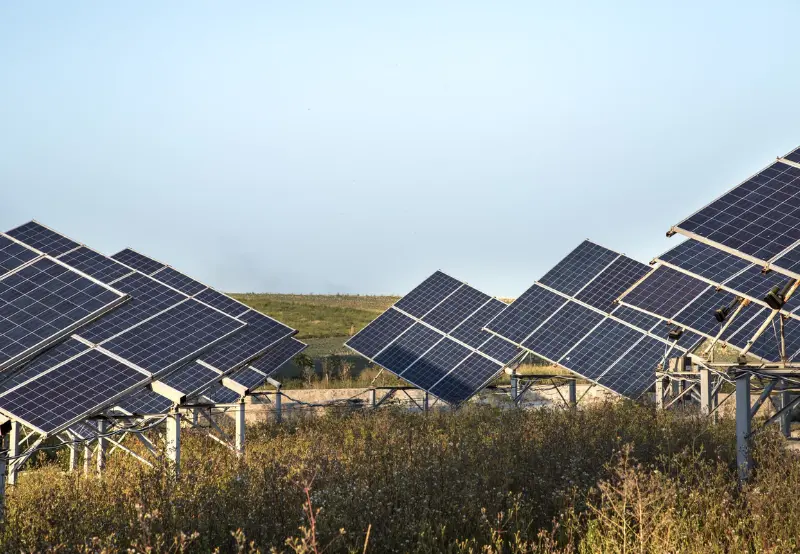

India’s electricity regulator has decided to delay the implementation of stricter grid stability rules, providing temporary relief to wind and solar power producers. The move comes amid industry concerns over compliance challenges and the need for better preparedness.
Relief for Renewable Energy Developers
The proposed rules were aimed at tightening the Deviation Settlement Mechanism (DSM), which penalises power generators for deviations from scheduled electricity supply.
Renewable energy producers had raised concerns that stricter norms could lead to higher financial risks, given the variable nature of wind and solar generation. The delay allows developers more time to adapt.
Challenges with Renewable Integration
Wind and solar energy depend heavily on weather conditions, making it difficult to predict exact generation levels. Sudden changes can lead to:
- Over- or under-supply of electricity
- Grid imbalances
- Increased operational challenges for system operators
The regulator’s decision acknowledges these challenges while balancing the need for grid stability.
Time for Industry Preparedness
The postponement is expected to give companies time to:
- Improve forecasting capabilities
- Invest in advanced technologies
- Explore energy storage solutions
These steps are crucial for meeting stricter grid compliance requirements in the future.
Balancing Growth and Stability
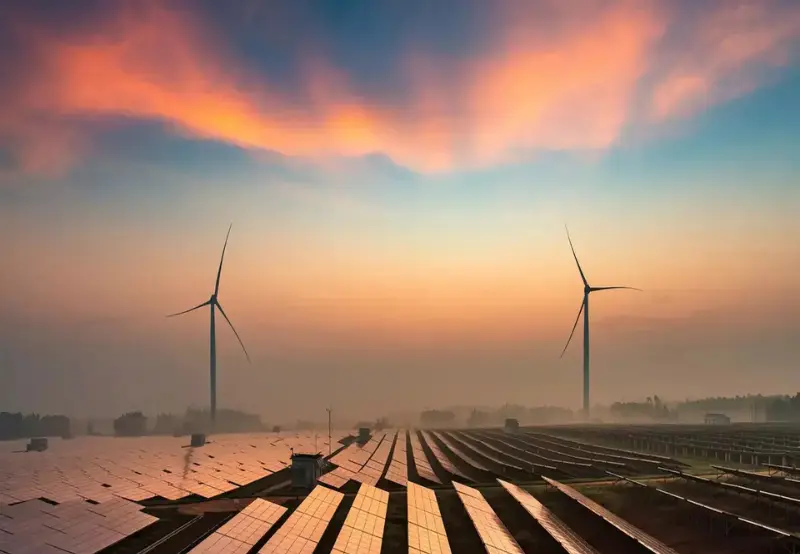
India is rapidly expanding its renewable energy capacity, making grid management more complex. While stricter rules are necessary for maintaining stability, a phased approach ensures that the industry can adjust without slowing growth.
Role of Technology
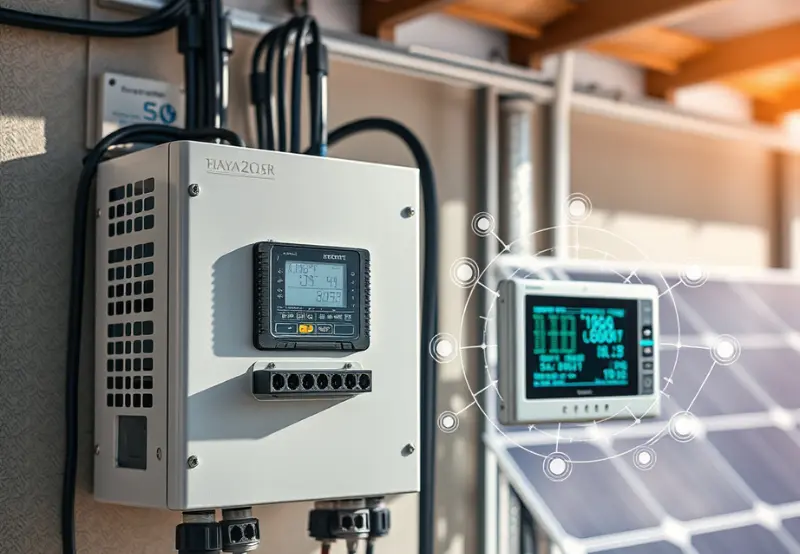
To comply with future regulations, developers are likely to adopt:
- Better weather forecasting tools
- Battery energy storage systems
- Hybrid renewable projects
These technologies can help reduce deviations and ensure more reliable power supply.
Industry Impact
The delay has been welcomed by renewable energy companies, as it reduces immediate financial pressure and allows for smoother transition. However, experts emphasise that stronger grid discipline will eventually be essential as renewable penetration increases.
Outlook
The regulator is expected to revisit the implementation timeline after further consultations. In the long term, stricter grid norms will play a key role in ensuring a stable and efficient power system.
Conclusion
The decision to delay stricter grid stability rules reflects a balanced approach to managing India’s renewable energy growth. By giving developers time to adapt, the move supports both industry sustainability and the country’s clean energy ambitions.