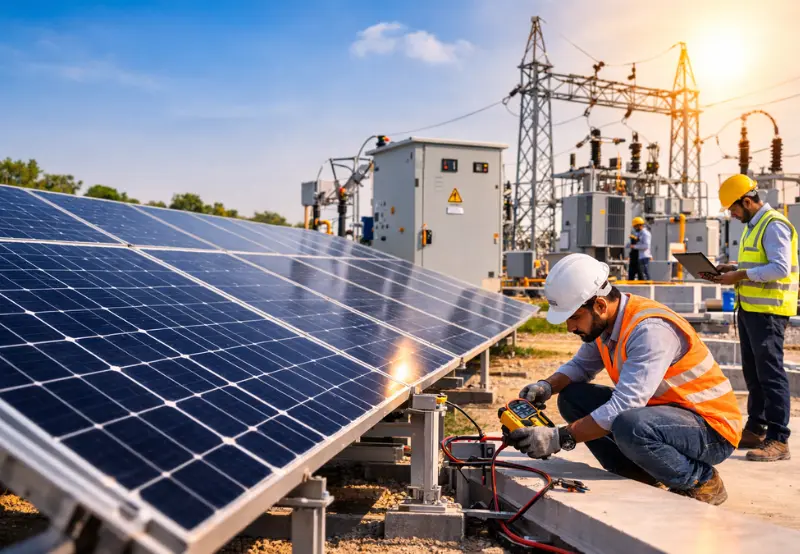
India FDRE Auction 2025 declared winners—Juniper Green, Navayuga, ACME, and Tata Power secure 250 MW dispatchable renewable projects at competitive tariffs.
Table of Contents
- Introduction
- What is FDRE and Why It Matters
- India FDRE Auction 2025: Winners at a Glance
- Tariffs and Competitive Pricing
- Why FDRE is a Game-Changer for India
- Role of Energy Storage in FDRE Projects
- Implications for Renewable Developers
- Future Outlook for FDRE Auctions
- Conclusion
1.Introduction
The India FDRE Auction 2025 has reached a new milestone with the announcement of winners for 250 MW of firm and dispatchable renewable energy projects. This auction is a crucial step towards India’s ambition to provide round-the-clock renewable energy by integrating storage with solar and wind.
2. What is FDRE and Why It Matters
Firm and Dispatchable Renewable Energy (FDRE) is a framework where renewable power—solar or wind—is paired with battery energy storage systems (BESS). This ensures that power is not only generated but also stored and dispatched when required, making renewables as reliable as coal or gas.
FDRE addresses a long-standing challenge: renewable intermittency. With FDRE, India moves closer to a 24/7 clean power supply.
3.India FDRE Auction 2025: Winners at a Glance
The auction results revealed four major winners:
- Juniper Green Energy – 70 MW at ₹4.76/kWh (≈ $0.0547)
- Navayuga Engineering Co. – 50 MW at ₹4.76/kWh
- ACME Solar Holdings – 50 MW at ₹4.76/kWh
- Tata Power Renewable Energy – 80 MW at ₹4.77/kWh
Together, they will deliver a total of 250 MW of FDRE capacity, helping stabilise India’s power grid.
4. Tariffs and Competitive Pricing
The winning tariffs ranged between ₹4.76–4.77/kWh, which is remarkably competitive given the integration of storage. This demonstrates:
- Falling costs of battery technologies
- Developer confidence in hybrid renewable projects
- The viability of FDRE as a mainstream energy model
5.Why FDRE is a Game-Changer for India
FDRE is not just about auctions—it’s about energy reliability and climate goals. With these projects:
- Consumers gain stable, dispatchable green energy
- DISCOMs reduce dependence on fossil fuels
- India inches closer to its 500 GW renewable target by 2030
6.Role of Energy Storage in FDRE Projects
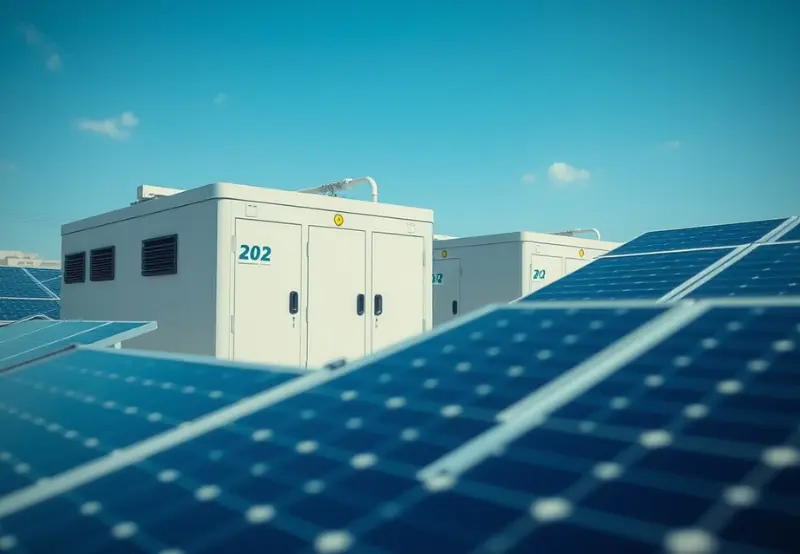
At the core of FDRE lies battery storage. These projects store excess solar/wind during off-peak and dispatch it during evening peaks. With battery pack prices projected to fall below $55/kWh by 2025, FDRE will only become more competitive.
7. Implications for Renewable Developers
The India FDRE Auction 2025 proves that:
- Developers are ready for storage-integrated renewables
- The market supports blended tariffs under ₹5/kWh
- Private players like Tata Power and ACME are betting big on hybrid energy
This sets a precedent for future auctions in the renewable sector.
8.Future Outlook for FDRE Auctions
Industry experts expect FDRE auctions to scale rapidly. According to ICRA, India may reach 30–40 GW of FDRE capacity by 2030. With policies encouraging round-the-clock renewable supply, FDRE will likely become a cornerstone of India’s energy mix.
9.Conclusion
The India FDRE Auction 2025 marks a turning point in the renewable energy landscape. By blending competitive tariffs, energy storage, and reliable dispatchability, India is shaping a cleaner and more dependable energy future.
This 250 MW achievement is just the beginning. As storage prices drop and renewable ambitions soar, FDRE auctions will drive the nation’s march towards net-zero emissions and 24/7 green power.
🔗 Read More on EcoDigest: https://ecodigest.in/indias-solar-capacity/