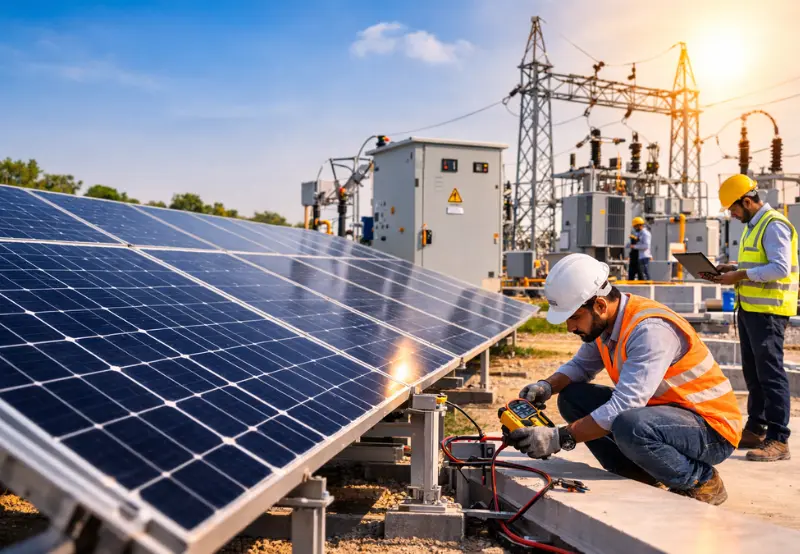

India is benefiting from a significant shift in the global clean energy landscape as the costs of solar panels and battery storage systems continue to decline sharply. This trend is providing the country with a strong economic incentive to accelerate its transition towards renewable energy and clean-technology adoption.
Falling Solar and Battery Costs Drive Clean Power Economics
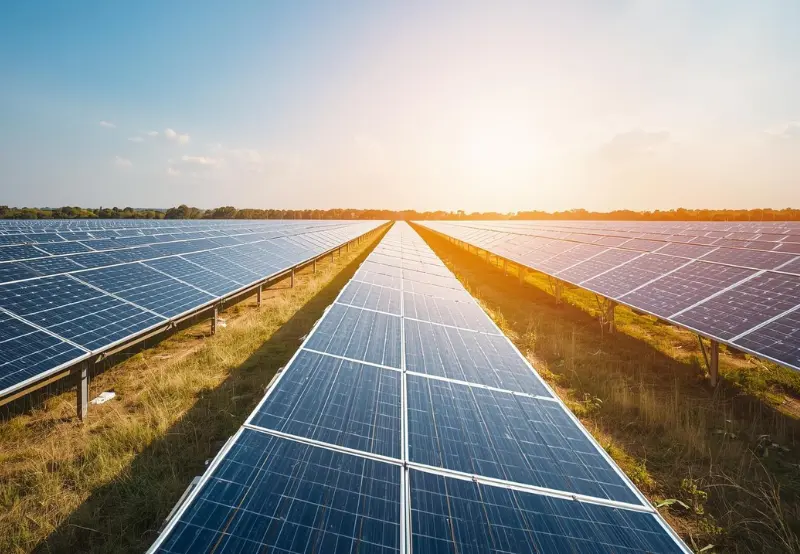
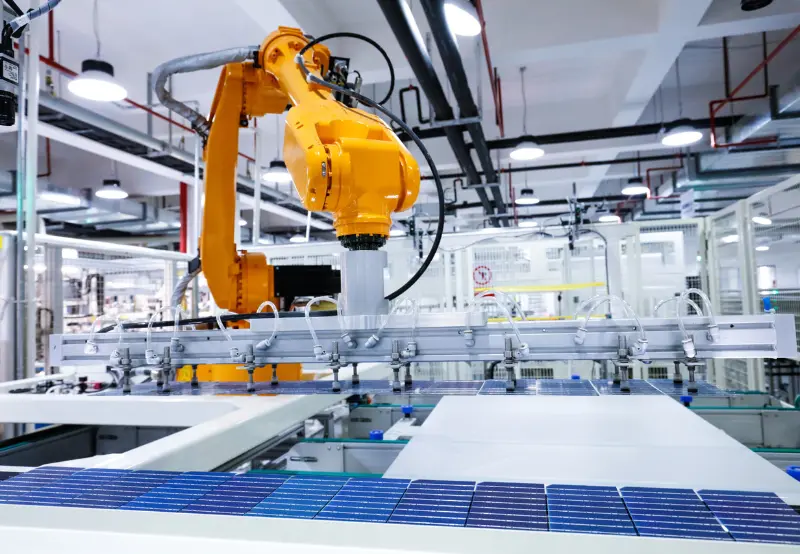
In recent years, the cost of producing solar photovoltaic panels has declined dramatically, making solar power one of the most cost-effective sources of electricity. At the same time, the cost of battery energy storage systems — which are essential for integrating renewable power into the grid and providing reliable supply — has also dropped substantially. These reductions are helping to reduce overall project costs for solar installations and solar-plus-storage systems.
The combined affordability of solar panels and battery storage means that solar power paired with storage is now cheaper to deploy than new coal-based power plants in many cases. This cost advantage is especially important as India continues to expand its renewable energy capacity to meet growing demand and climate targets.
Renewables Becoming Economically Attractive
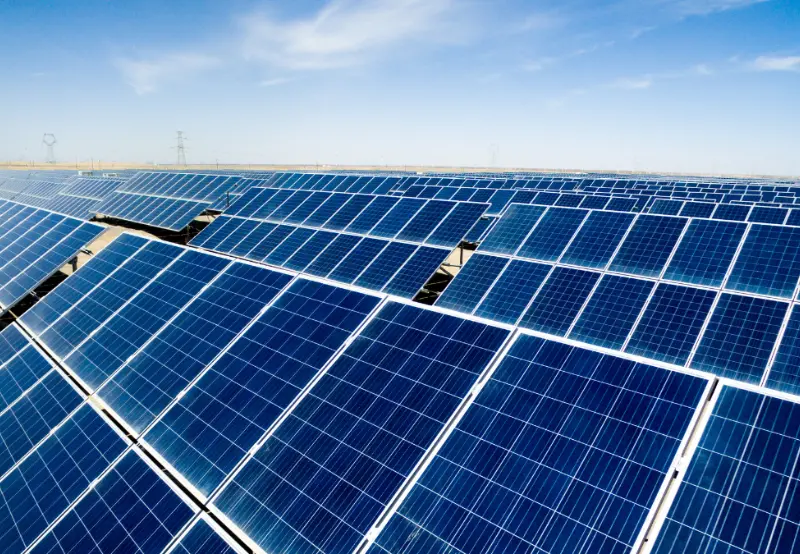
India has already made considerable progress in increasing renewable energy capacity, with solar leading the charge. Solar projects now represent a significant portion of new power installations, supported by competitive pricing that makes solar power attractive to utilities, industries and commercial consumers alike.
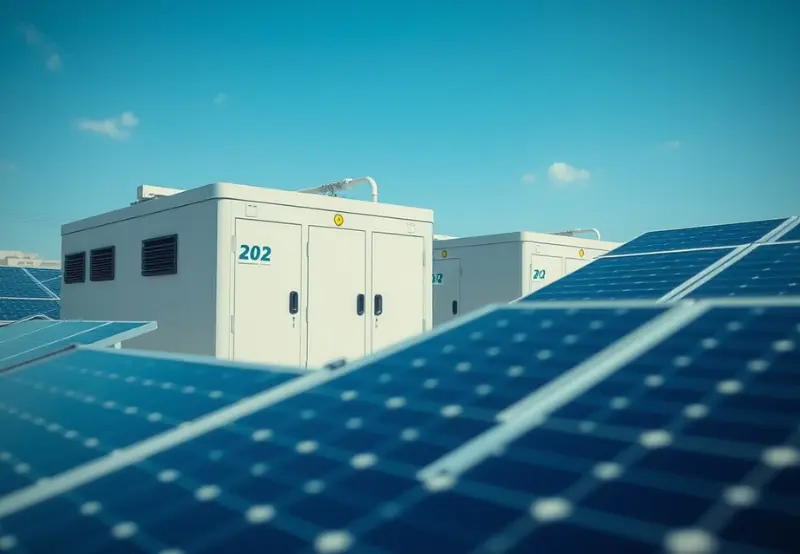
Battery storage costs have also impacted the economics of round-the-clock clean energy solutions. As storage becomes more affordable, renewable projects can supply dependable power even when the sun isn’t shining, reducing dependence on conventional fossil fuel sources. The growing share of tenders for renewable energy paired with storage reflects this shift.
Impact on Energy Transition and Emissions
Lower solar and battery costs strengthen India’s ability to meet climate goals while reducing its reliance on imported fuels. Cheaper renewable power helps lower electricity costs for consumers, enhances energy security and supports industrial growth by providing stable, predictable energy pricing.
By taking advantage of lower technology costs, India is positioning itself as a leader in the clean energy transition — not only expanding power generation capacity but also improving the competitiveness of renewable energy solutions compared with traditional energy sources.
Looking Ahead
With continued technological improvements and increased domestic manufacturing capacity, the downward trend in solar and storage costs is likely to persist. This dynamic will further enhance India’s clean energy advantage, enabling more widespread adoption of solar power and accelerating progress towards renewable energy targets.