India is strengthening its commitment to clean energy and climate resilience through a notable initiative by the India Meteorological Department. As part of its ongoing efforts under Mission Mausam, IMD recently commissioned a 771 kWp solar power installation at its national headquarters complex — a move that marks a significant step towards integrating renewable energy with meteorological infrastructure.
What’s New: Solar Panels Meet Weather Forecasting
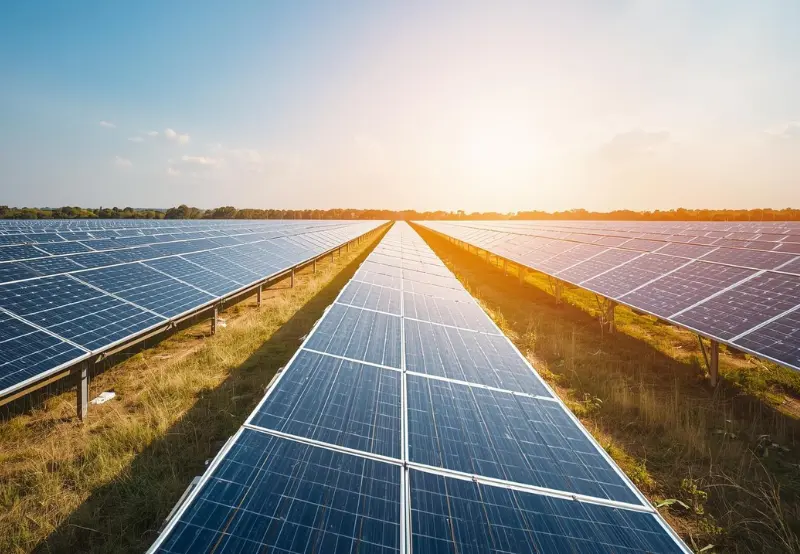
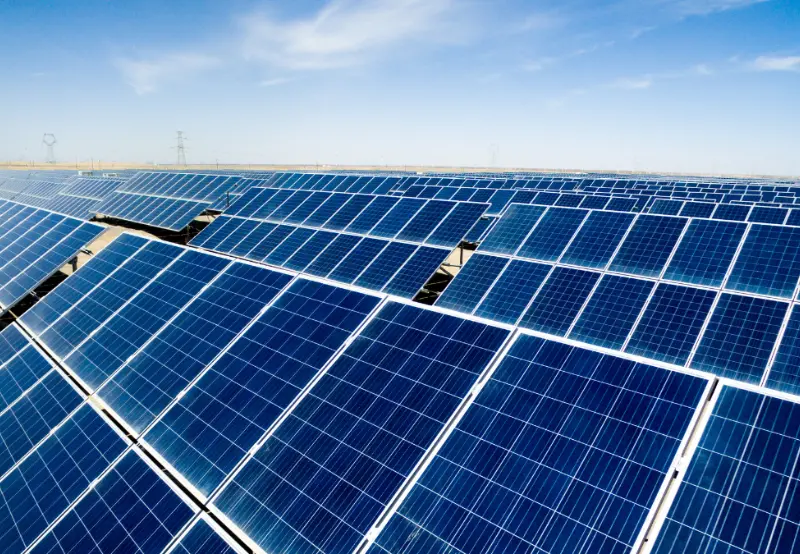
- A 771 kWp solar system, comprising over 1,300 panels, has been installed to power the headquarters complex of IMD.
- Alongside this, IMD has expanded its network of advanced weather-radar infrastructure, including new Doppler weather radars, under the same Mission Mausam initiative.
- This dual approach — combining renewable energy generation with improved weather- and climate-monitoring systems — reflects a broader vision of sustainable development and climate readiness.
Why This Matters: Dual Benefits for Energy & Climate
- Clean energy leadership: By deploying rooftop solar power within a key government institution, IMD sets a precedent for embedding renewables in public-sector infrastructure. This helps reduce carbon footprint and align with India’s net-zero and sustainability goals.
- Strengthening climate & disaster preparedness: The upgraded radar network under Mission Mausam — now significantly expanded — enhances India’s ability to forecast weather, monitor extreme events, and deliver accurate climate data. More reliable forecasting becomes especially critical for disaster risk reduction, agriculture planning and public safety.
- Demonstrating integrated policy approach: The initiative blends energy transition with climate science and meteorology, highlighting how renewable energy adoption can go hand in hand with improving national capacity for environment and weather resilience.
India’s Broader Renewable Momentum
This step comes when India is witnessing a major surge in renewable energy adoption:
- In 2025, the country added record volumes of solar and wind capacity, reinforcing its position as one of the fastest-growing renewable energy markets globally.
- The increased deployment spans across utility-scale projects, rooftop solar installations and distributed/off-grid systems, reflecting a multipronged strategy towards energy transition and green growth.
By combining renewable-power deployment with enhanced weather and climate monitoring, India is not only accelerating its clean-energy ambitions — it is also building resilience against climate risks.
What the Move Signals for the Future
- More government buildings and institutions may follow suit in installing solar power, contributing to a gradual but meaningful shift in public-sector energy usage.
- The improved observational network under Mission Mausam could lead to sharper, more timely weather forecasts, benefiting agriculture, disaster management, water resources, and public safety across India.
- As renewable energy becomes a core part of infrastructural planning, the reputation and feasibility of solar power (and possibly other green energy solutions) may grow significantly — encouraging wider adoption across private and public sectors.
Overall, the IMD’s 771 kWp solar power installation — combined with upgraded weather-radar infrastructure — underlines a forward-looking vision that merges clean energy, climate science, and national resilience. It’s a tangible sign of India’s evolving strategy to tackle climate change while powering its institutions sustainably.