
India has reached a major milestone in its renewable energy journey, with installed solar power capacity nearing 136 gigawatts (GW). The achievement, highlighted by Union Minister Pralhad Joshi, reflects the country’s rapid progress in expanding clean energy infrastructure and reducing dependence on fossil fuels.
Strong Growth in Solar Energy
Over the past decade, India has witnessed remarkable growth in solar energy capacity. From a relatively small base, solar power has now become a key pillar of the country’s renewable energy mix, contributing significantly to electricity generation.
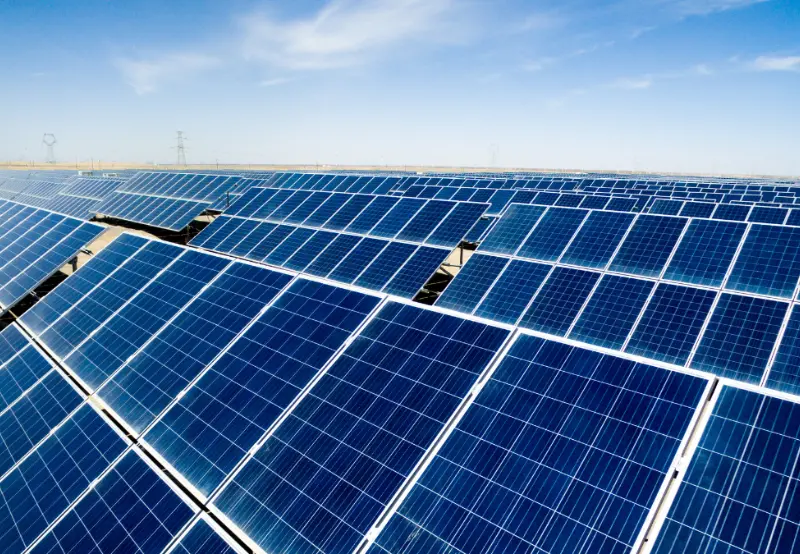
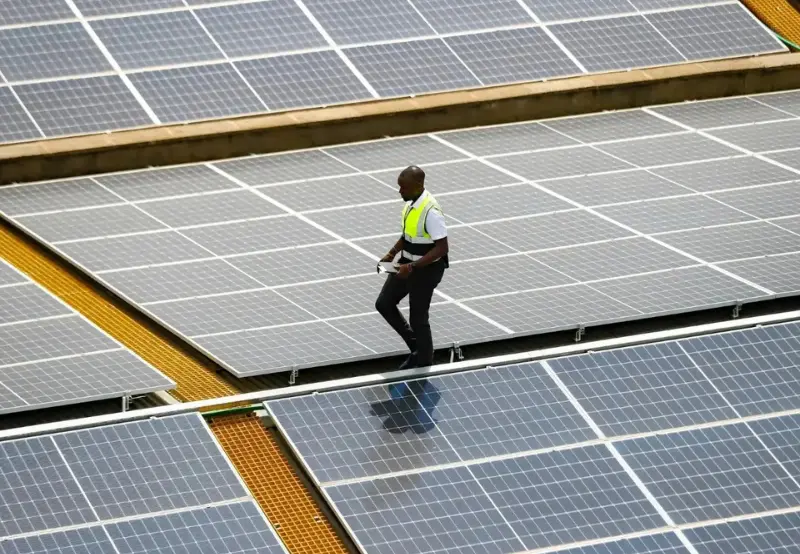
The expansion has been driven by a combination of government policies, private sector investment, and technological advancements. Large-scale solar parks, rooftop solar systems, and hybrid projects have all played an important role in boosting capacity.
Policy Support Driving Expansion
India’s solar growth has been supported by several key initiatives. Programmes such as the solar park scheme, rooftop solar incentives, and production-linked incentives (PLI) for domestic manufacturing have helped accelerate deployment.
The government has also focused on improving the domestic supply chain, encouraging the production of solar modules, cells, and other components within the country. This approach aims to reduce import dependence and strengthen energy security.
Solar Power’s Growing Share
With nearly 136 GW of installed capacity, solar energy now accounts for a substantial share of India’s total renewable energy portfolio. It has become one of the fastest-growing energy sources, outpacing many conventional power generation methods.
Solar projects are being developed across multiple states, with regions such as Rajasthan, Gujarat, Karnataka, and Tamil Nadu emerging as key hubs due to favourable climatic conditions and strong infrastructure support.
Role in Climate and Energy Goals
India has set ambitious targets to expand its renewable energy capacity and reduce carbon emissions. The country aims to achieve 500 GW of non-fossil fuel capacity by 2030, with solar power expected to play a central role in reaching this goal.
Increasing solar capacity not only supports climate commitments but also helps meet rising electricity demand in a sustainable manner. It contributes to energy independence, lower emissions, and long-term economic growth.
Challenges and Opportunities
Despite the progress, the sector faces several challenges. These include:
- Land acquisition issues for large projects
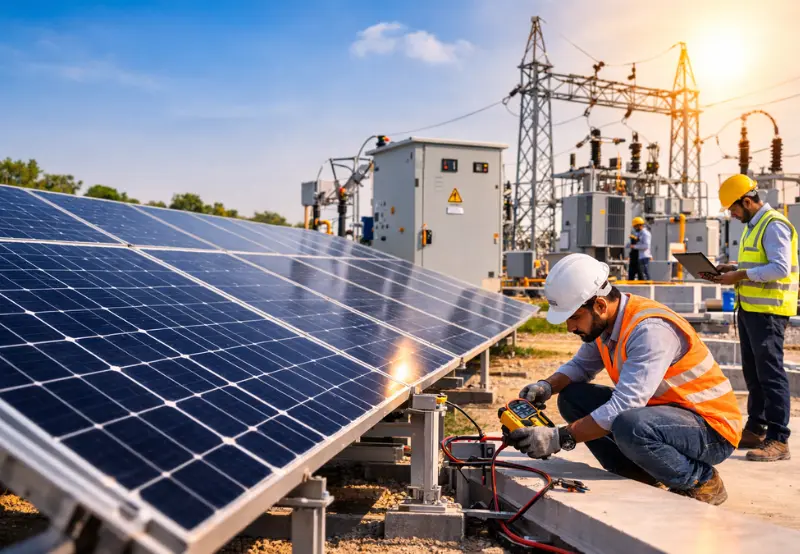
- Grid integration and transmission constraints
- Dependence on imported components for certain segments
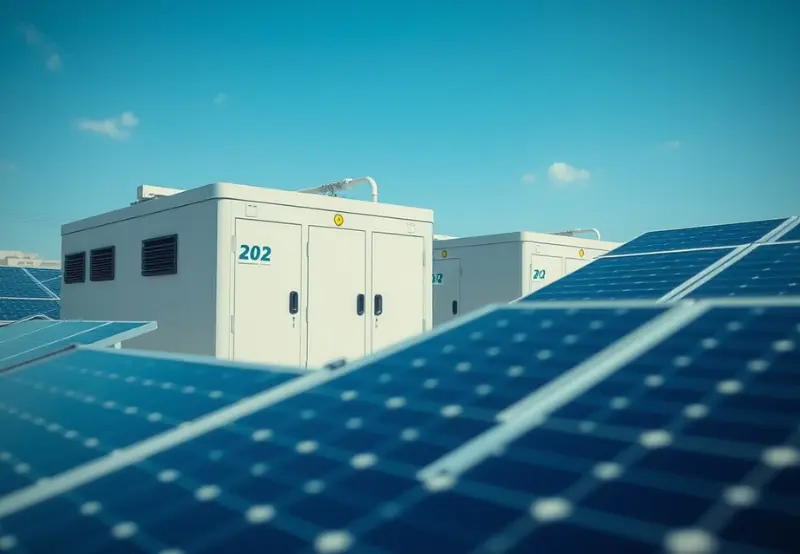
- Need for energy storage solutions to manage variability
However, these challenges also present opportunities. Investments in battery storage, grid modernisation, and domestic manufacturing are expected to further strengthen the sector.
Looking Ahead
India’s progress towards 136 GW of solar capacity highlights its commitment to a cleaner energy future. With continued policy support, technological innovation, and investment, the country is well-positioned to expand its solar footprint even further.
As solar energy becomes more affordable and accessible, it is likely to play an increasingly important role in powering homes, industries, and infrastructure across the country.
Conclusion
The milestone of nearly 136 GW solar capacity marks a significant step in India’s renewable energy transition. It underscores the country’s growing leadership in the global clean energy space and its determination to build a sustainable, resilient, and low-carbon energy system for the future.