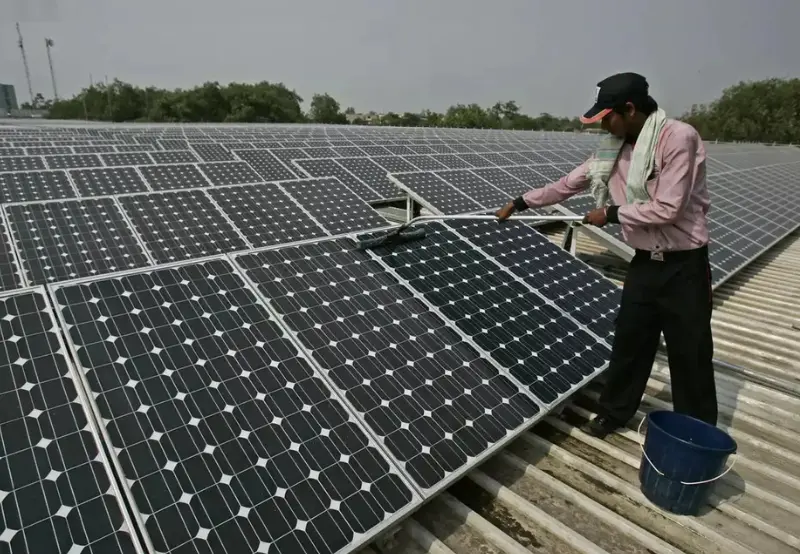

India is exploring new subsidy-based support to address persistent gaps in its solar energy supply chain — particularly in upstream segments such as polysilicon, wafers and ingots. While the country has made significant progress in solar module production, key inputs that feed into solar cell and panel manufacturing are still largely imported, creating vulnerabilities in long-term energy security and localisation goals.
The Challenge of Upstream Solar Manufacturing
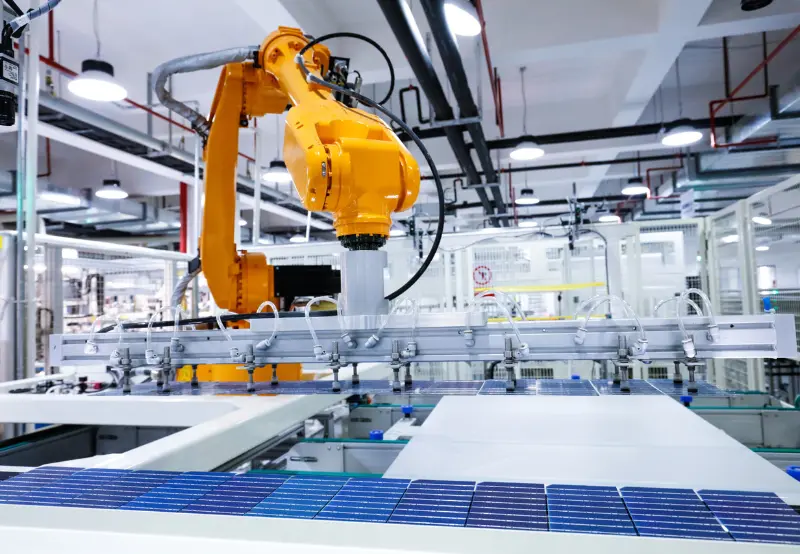
Domestic solar panel and module manufacturing has expanded rapidly, supported by policies such as the Production Linked Incentive (PLI) scheme. However, upstream activities — including the production of solar-grade polysilicon, silicon ingots and wafers — have lagged behind. These components are critical for making solar cells and fully integrated panels, yet India currently imports a large share, exposing the industry to global supply chain risks and competitive cost pressures.
Upstream manufacturing faces high capital costs and requires access to competitively priced electricity and advanced technology. As a result, many projects sanctioned under previous incentive programmes have struggled to become operational.
New Subsidy Push to Encourage Local Production
To bridge this gap, the Indian government is considering a new capital subsidy scheme specifically targeting upstream solar manufacturing. This initiative would be separate from the existing PLI programme for downstream module and panel assembly and would aim to lower the entry barriers for manufacturers in the upstream segments.
By providing direct financial support, policymakers hope to make domestic production of polysilicon, wafers and ingots commercially viable, reducing reliance on imported inputs and strengthening the overall solar supply chain.
Benefits of a Stronger Domestic Supply Chain
Expanding upstream manufacturing capacity could yield multiple advantages:
- Reduced import dependence and greater energy manufacturing self-reliance
- Improved supply chain resilience against global disruptions
- Enhanced competitiveness for India’s solar industry in both domestic and export markets
- Long-term cost stability by producing key materials locally
These goals align with India’s broader vision of becoming a global hub for clean energy manufacturing and supporting its ambitious renewable energy targets.
Looking Ahead
If the proposed subsidy framework is implemented, it could accelerate investment in under-developed segments of the solar value chain and help balance the current reliance on imported materials. By complementing existing incentive programmes, this new support could catalyse the next phase of growth for India’s solar manufacturing ecosystem — from modules and cells to the critical upstream materials that are essential for building a fully integrated and self-sufficient clean energy industry.