
Understanding the Geopolitical Context
Why the Middle East Matters to India’s Energy Security
If you think geography doesn’t affect your electricity bill, think again. The Middle East sits at the heart of global oil and gas supply, and India’s economic engine has long depended on energy imports flowing from that region. According to data frequently cited by the International Energy Agency, India imports more than 85% of its crude oil needs. A significant share of that comes from Gulf nations. When tensions rise in the region, markets respond instantly — oil prices spike, shipping insurance premiums soar, and currency pressures intensify.
Now imagine that instability lasting months or even years. A prolonged conflict doesn’t just create temporary volatility; it reshapes investment decisions, supply chains, and policy priorities. For India, which is simultaneously one of the world’s fastest-growing energy consumers and one of the most ambitious renewable energy developers, this presents a complicated equation. Higher fossil fuel prices strain the economy in the short term but strengthen the strategic case for renewable expansion in the long term. It’s like being forced to renovate your house because the roof keeps leaking — painful at first, but ultimately necessary.
The Strategic Importance of the Strait of Hormuz
At the centre of this geopolitical puzzle lies the Strait of Hormuz — a narrow maritime passage through which nearly a fifth of the world’s oil trade passes. Any disruption here sends shockwaves through global markets. Even rumours of blockades or naval escalations can push crude prices upward within hours. For India, which relies heavily on tankers travelling through this corridor, the stakes are enormous.
Shipping reroutes, higher freight charges, and delays can all inflate India’s import bill. In recent developments reported by Reuters, Asian buyers have begun reassessing stockpiles and alternative routes due to escalating tensions. That’s not just headline drama — it translates directly into policy urgency back home. The more vulnerable fossil fuel routes become, the more compelling domestic renewable generation appears. Solar panels and wind turbines, after all, don’t need naval escorts.
India’s Current Energy Dependence
Oil and LNG Imports from the Gulf
India’s dependency on Gulf energy imports is not abstract; it is measurable, visible, and economically heavy. A large portion of India’s liquefied natural gas (LNG) comes from suppliers like Qatar, alongside crude shipments from Saudi Arabia, Iraq and the UAE. When disruptions hit LNG production or transport routes, industries in India feel it almost immediately. Reduced gas supplies can lead to curtailed industrial output, affecting fertiliser production, power plants, and manufacturing units.
This heavy reliance creates a structural vulnerability. Every geopolitical flare-up forces policymakers to juggle fiscal stability with energy security. Higher import bills widen the current account deficit, pressure the rupee, and feed inflation. That, in turn, affects consumer confidence and borrowing costs. In simple terms, when oil prices rise sharply, everything from transport to food becomes more expensive. The domino effect is real and swift.
Economic Vulnerabilities Linked to Fossil Fuels
The economic exposure goes beyond import costs. Energy price volatility influences government subsidies, fiscal planning, and monetary policy. A prolonged Middle East conflict could keep crude prices elevated for extended periods, squeezing public finances. The government might have to choose between absorbing higher fuel costs or passing them on to consumers. Either option carries political and economic consequences.
Here’s where renewable energy starts looking less like an environmental choice and more like a macroeconomic shield. Domestic solar and wind power reduce the need for imported fuels. They stabilise electricity tariffs over time because sunlight and wind don’t fluctuate in price based on geopolitics. In a world where oil markets behave like roller coasters, renewables resemble fixed railway tracks — steady and predictable.
Immediate Economic Impacts of Conflict
Rising Crude Prices and Inflation
When conflict escalates in the Middle East, crude markets react almost instantly. Even speculative fears can push Brent crude upwards by several dollars per barrel in a single trading session. For India, which consumes over five million barrels per day, such increases translate into billions of additional dollars in annual expenditure. Inflationary pressures rise, transportation costs increase, and household budgets tighten.
This inflationary environment can indirectly slow renewable projects as well. Higher borrowing costs make infrastructure financing more expensive. Steel, logistics, and imported components may see price hikes. Yet paradoxically, sustained fossil fuel inflation strengthens the relative competitiveness of renewables. Over a project’s 25-year lifespan, solar or wind installations become economically attractive compared to volatile fossil-based power.
Supply Chain Disruptions and Freight Costs
Conflict doesn’t only affect oil. Maritime routes become riskier, insurance premiums climb, and container shipments face delays. Solar modules, inverters, and battery cells — many of which are imported — could experience slower transit times and higher landed costs. Extended supply chains increase uncertainty for developers.
This scenario pushes India to rethink manufacturing strategies. The call for domestic production becomes louder. Building resilient supply chains inside the country reduces dependency on international shipping corridors. In that sense, geopolitical instability acts like a stress test, revealing weaknesses but also pointing clearly towards structural reforms.
Renewable Energy as a Strategic Hedge
Solar and Wind as Energy Independence Tools
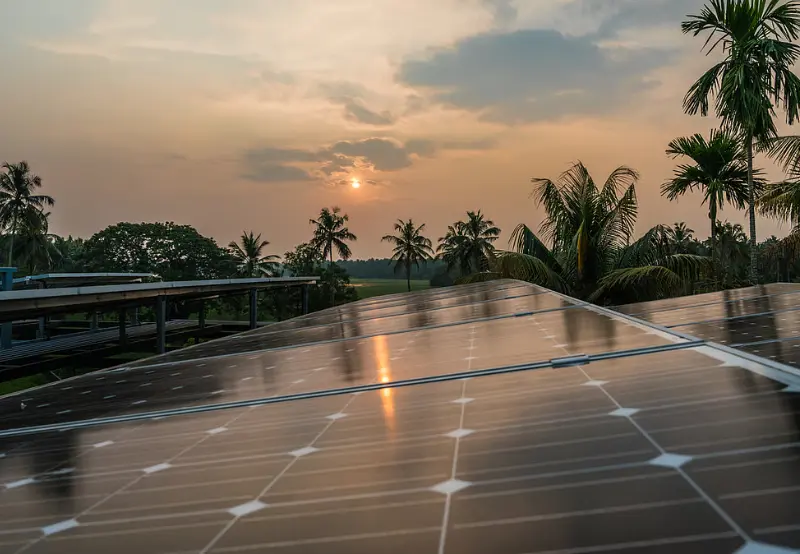
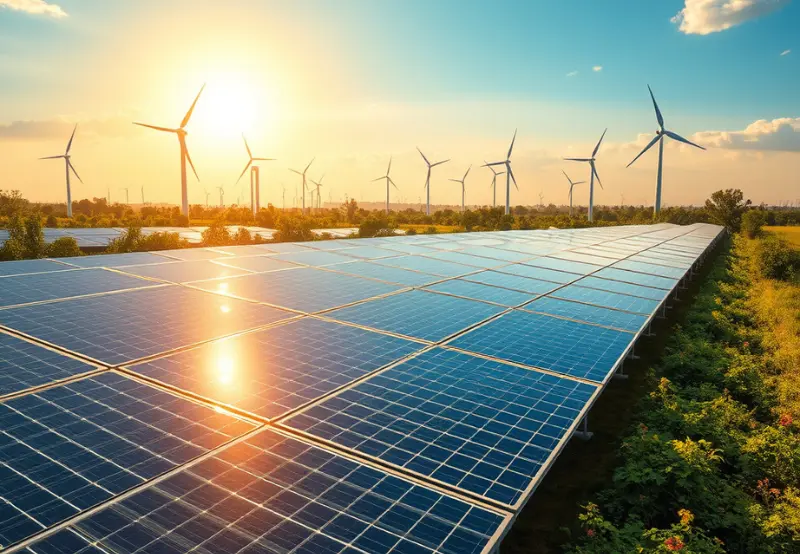
India’s renewable ambition is not small. The country aims for 500 GW of non-fossil fuel capacity by 2030, a target supported by the Ministry of New and Renewable Energy. Massive projects such as the Bhadla Solar Park and the Gujarat Hybrid Renewable Energy Park demonstrate how scale is transforming the landscape.
These installations represent more than engineering feats. They are statements of strategic autonomy. Every megawatt of solar or wind power reduces imported fuel demand. Over time, that means fewer dollars spent on volatile global markets. Renewables shift the narrative from dependency to resilience.
Electrification and EV Growth
Electrification extends the hedge beyond power generation. Electric vehicles, rail electrification, and green hydrogen initiatives reduce oil consumption in transport and industry. As EV adoption rises, oil demand growth could plateau. That insulates the economy from price spikes triggered by geopolitical tensions.
Imagine if most urban transport ran on domestically generated solar power. A Middle East supply disruption would then have limited influence on daily commuting costs. That’s not just a climate win — it’s economic armour.
Investment Climate and Capital Flows
Investor Sentiment During Geopolitical Instability
Geopolitical instability often triggers a risk-off sentiment among global investors. According to analysis from BMI, prolonged regional conflicts can discourage foreign investment in emerging markets. Renewable energy projects, though long-term in nature, are not immune to capital market fluctuations.
Developers may face tighter financing conditions, especially if currency volatility increases. International lenders may demand higher risk premiums. Yet renewable assets typically offer predictable long-term returns, which can appeal to pension funds and sovereign wealth investors seeking stability.
Green Finance and Long-Term Confidence
Despite short-term uncertainties, green finance continues to grow globally. ESG (Environmental, Social, Governance) mandates encourage institutional investors to allocate funds towards clean energy. India’s renewable market, backed by strong policy support and expanding demand, remains attractive.
Over time, geopolitical instability may actually accelerate climate-aligned investment as countries seek energy independence. Clean energy becomes not just a sustainability strategy but a national security priority.
Policy Acceleration and Government Response
India’s 2030 Renewable Energy Targets
India’s commitment to 500 GW of non-fossil capacity by 2030 reflects both climate responsibility and strategic calculation. Achieving this target requires massive grid expansion, storage deployment, and policy continuity. A prolonged Middle East conflict could reinforce political consensus around accelerating this transition.
When external risks increase, domestic solutions gain urgency. Policymakers may fast-track approvals, expand production-linked incentives, and streamline transmission infrastructure.
Domestic Manufacturing and Atmanirbhar Push
Reducing reliance on imported modules and batteries aligns with the broader “Atmanirbhar Bharat” vision. Incentivising local manufacturing shields projects from shipping disruptions and currency fluctuations. It also creates jobs and strengthens industrial capacity.
In many ways, geopolitical instability is pushing India towards a more self-reliant clean energy ecosystem.
Infrastructure, Grid Stability and Storage
Battery Storage and Energy Security
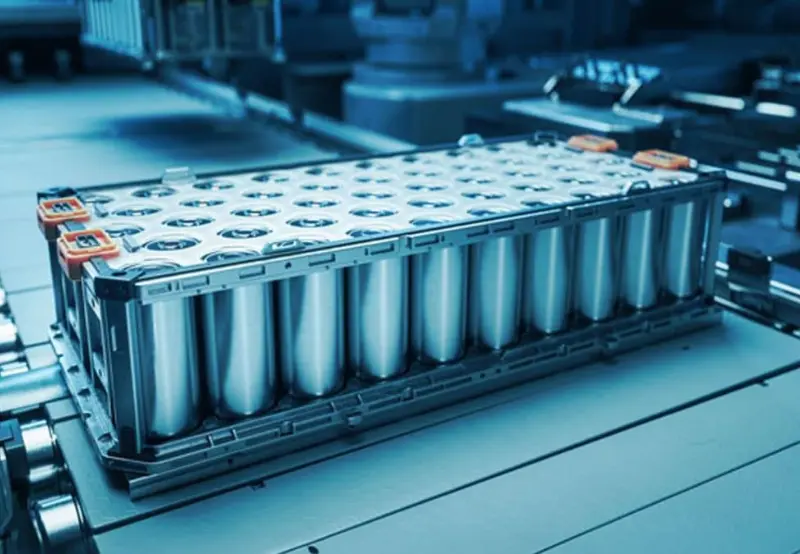
Renewable expansion must be matched with robust storage solutions. Battery energy storage systems ensure that solar and wind variability does not compromise grid reliability. Large-scale storage reduces the need for gas-based peaker plants, further lowering fossil fuel dependency.
Strategic investment in storage infrastructure transforms renewables from supplementary power sources into dependable baseload contributors. That’s when energy independence truly becomes achievable.
Long-Term Outlook for India’s Clean Energy Transition
Risks, Opportunities and Strategic Realignment
A prolonged Middle East conflict presents undeniable risks — higher import bills, inflationary pressures, and short-term investment volatility. Yet it also reinforces the logic of accelerating India’s renewable energy transition. Clean energy becomes a strategic imperative rather than a policy option.
The global energy landscape is shifting. Countries that reduce fossil fuel dependence gain economic resilience. For India, the renewable pathway offers not just climate leadership but geopolitical insulation. The choice isn’t between fossil fuels and renewables anymore; it’s between vulnerability and resilience.
Conclusion
India stands at a pivotal crossroads. A prolonged Middle East conflict underscores the fragility of fossil fuel dependency and the strategic value of renewable energy. Rising crude prices, disrupted shipping routes, and volatile global markets expose economic vulnerabilities that renewables can gradually mitigate. Solar, wind, storage, and electrification together form a shield against geopolitical turbulence. As India scales its clean energy ambitions, the transition becomes more than an environmental commitment — it becomes a cornerstone of national security and economic stability.