
India is emerging as one of the fastest-moving clean energy markets in the developing world, with recent analysis indicating that the country is advancing more rapidly than China did at a comparable stage of economic growth. The shift highlights how falling renewable technology costs and strong electrification trends are reshaping traditional development pathways.
A Different Development Model
Historically, rapidly industrialising nations relied heavily on coal and oil before transitioning towards cleaner energy sources. China followed this pattern during its early growth years, expanding fossil fuel consumption significantly before scaling up renewables.
India, however, appears to be taking a different route. At similar income levels to China in the past, India’s energy mix now includes a considerably larger share of solar power and growing electric vehicle (EV) adoption. This suggests the country is integrating clean technologies earlier in its development cycle.
Solar Power Leading the Transition
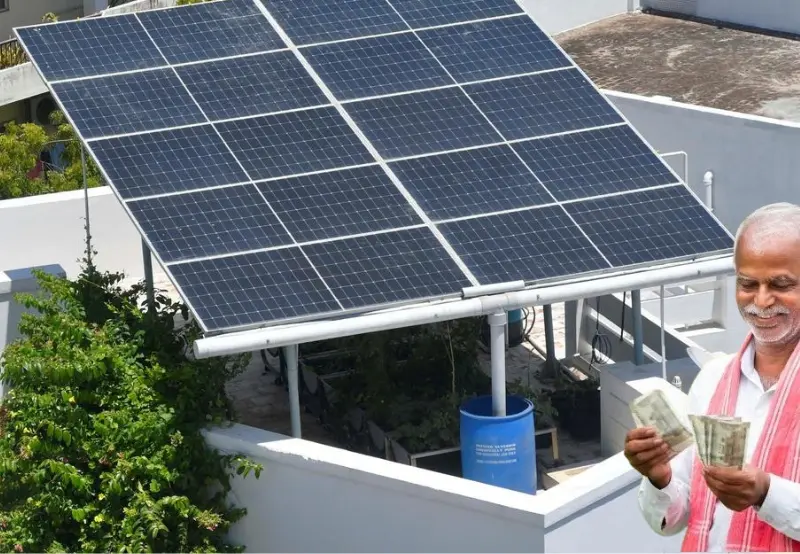
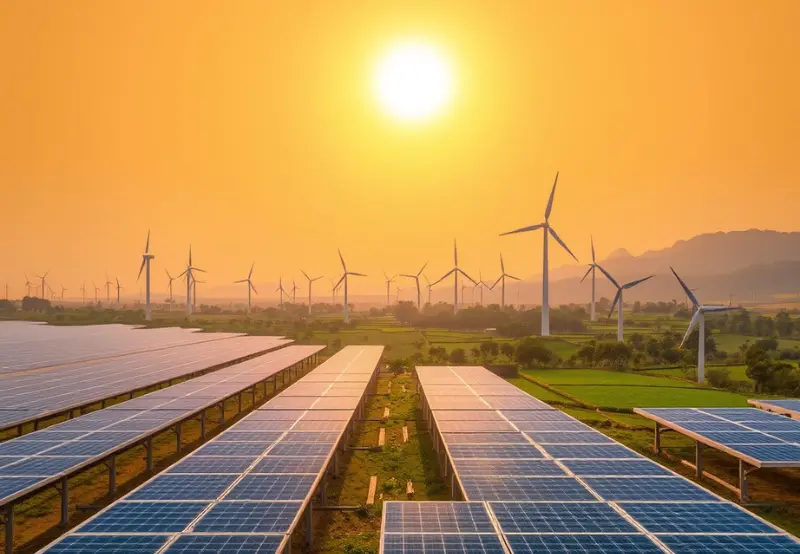
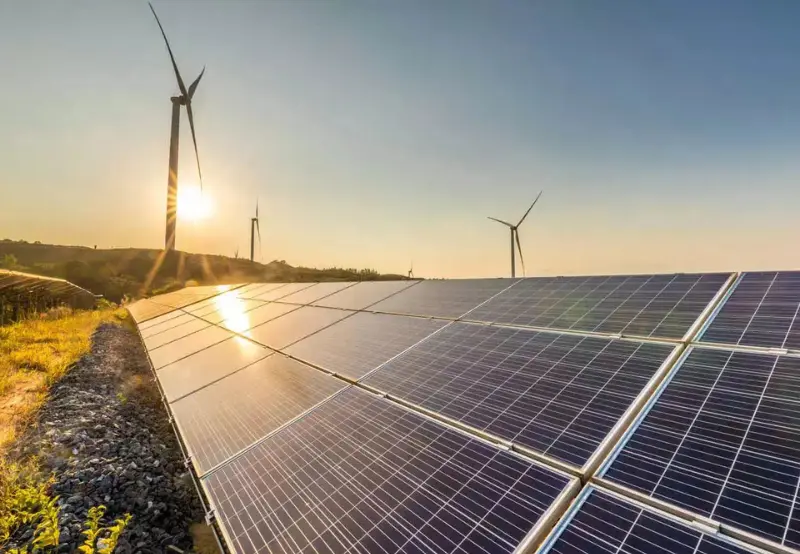
Solar energy has become a cornerstone of India’s renewable energy expansion. Utility-scale solar parks and rooftop installations have grown steadily, supported by declining panel prices, improved technology and favourable government policies.
Key factors behind the solar surge include:
- Rapid decline in solar module costs
- Competitive tariffs making solar cheaper than new coal in many regions
- Increased private and industrial investment in clean power
- Strong national renewable energy targets
As a result, solar power is becoming a central pillar of India’s electricity generation strategy.
Electric Vehicles Accelerate Electrification
Electric mobility is another major contributor to India’s clean energy progress. EV adoption, particularly in two-wheelers and three-wheelers, has expanded quickly in recent years. Lower battery prices and supportive policy measures have made electric transport increasingly accessible.
Compared with China’s early industrial years, India is deploying EV technology at a much earlier stage. This transition supports both emissions reduction and improved urban air quality, while also lowering oil import dependence.
Lower Per-Capita Fossil Fuel Use
Despite being a growing economy, India’s per-capita fossil fuel consumption remains significantly lower than China’s was at a similar point in its economic journey. This indicates that India’s growth model may rely less intensively on carbon-heavy infrastructure.
The availability of affordable renewable energy technologies, combined with battery storage improvements, enables India to “leapfrog” older, high-emission development patterns.
Challenges Ahead
While progress is notable, challenges remain:
- Grid modernisation to integrate higher renewable penetration
- Expansion of battery storage capacity
- Scaling up domestic manufacturing of clean energy components
- Broader charging infrastructure for electric vehicles
Addressing these areas will be crucial for sustaining momentum in the energy transition.
Conclusion: A Faster, Cleaner Growth Path
India’s clean energy trajectory suggests that emerging economies no longer need to follow the fossil-fuel-heavy growth models of the past. With solar power expansion, rising EV adoption and falling technology costs, India is accelerating its transition earlier in its development cycle than China once did.
If this pace continues, India could become a leading example of how economic growth and clean energy adoption can progress simultaneously.