
India surpasses Japan in solar energy to become the world’s 3rd largest solar energy producer. Discover 7 powerful factors driving this growth and how India is shaping the global green energy future.

Table of Contents
- Introduction
- India Surpasses Japan in Solar Energy: The Milestone
- How Did India Rise So Fast?
- Top 5 States Powering India’s Solar Growth
- Solar Manufacturing and Domestic Capacity
- Policy Push: India’s Renewable Roadmap
- Global Impact: India’s Place in the Solar Economy
- Challenges Along the Way
- Conclusion
1. Introduction
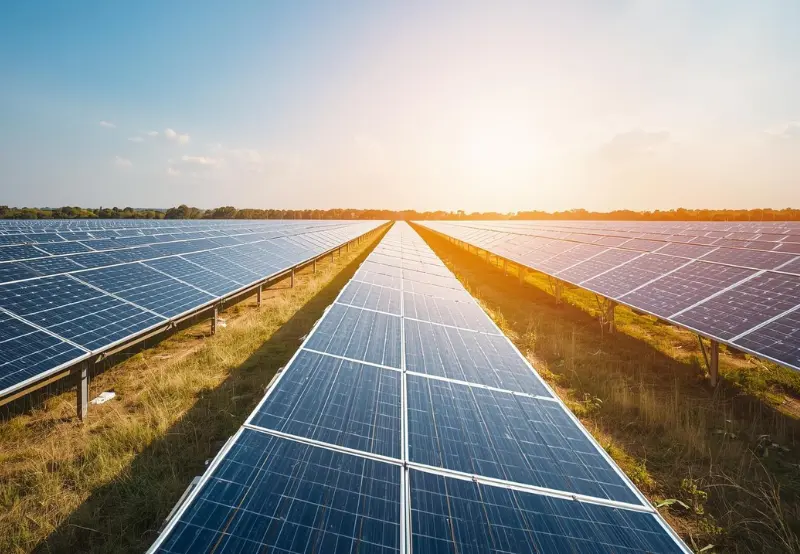
In a defining moment for the renewable energy landscape, India surpasses Japan in solar energy, claiming the third spot globally in total solar power generation. As of 2024, India has generated over 117 terawatt-hours (TWh) of solar electricity, a figure that not only marks its growing energy independence but also cements its leadership in the global clean energy race.
This remarkable feat isn’t just a numerical triumph—it’s a powerful signal of India’s commitment to a sustainable future.
2. India Surpasses Japan in Solar Energy: The Milestone
According to Ember, a global energy think tank, India now ranks behind only China and the United States in solar energy generation. It produced 5.8% of the world’s solar power in 2023.
Here’s a breakdown of the top solar producers:
- China – 584 TWh
- United States – 238 TWh
- India – 117 TWh
- Japan – 109 TWh
(Source: Ember 2024 Global Electricity Review)
3. How Did India Rise So Fast?
Several factors contributed to this historic leap:
- Falling costs of solar panels and storage batteries
- Government-backed incentives for rooftop and utility-scale solar
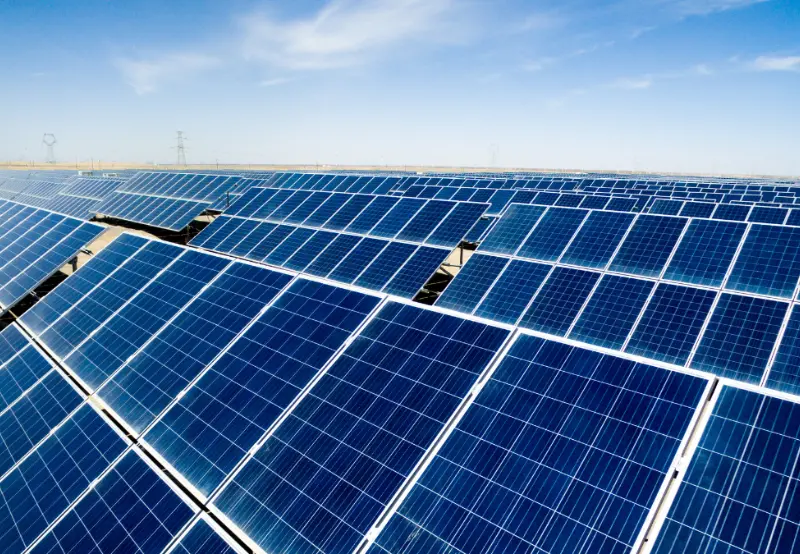
- Investments in mega solar parks like Bhadla and Pavagada
- Focus on Make in India solar equipment manufacturing
- Aggressive bidding by players like Tata Power, Adani Green, and Renew Power
4. Top 5 States Powering India’s Solar Growth
Solar growth in India is highly decentralised and state-led. The following states are leading the charge:
- Rajasthan – Over 18 GW installed; home to Bhadla Solar Park
- Gujarat – Strong rooftop solar policy and massive grid connectivity
- Karnataka – Site of Pavagada Solar Park, a 2,050 MW giant
- Tamil Nadu – Integrating solar with existing wind grid
- Madhya Pradesh – Rapid solar park development under PPP
Each of these states is tapping local geographical and climatic advantages to scale clean energy rapidly.
5. Solar Manufacturing and Domestic Capacity
India’s success story is also linked to its domestic manufacturing revival in solar components. The country now produces:
- Solar PV modules
- Solar inverters
- Solar glass and wafers (under development)
Government schemes like PLI (Production Linked Incentive) and Solar Parks Development Scheme have created an enabling environment for local value chains.
6. Policy Push: India’s Renewable Roadmap
India’s government has aggressively aligned its policies with climate goals:
- Target of 500 GW non-fossil fuel capacity by 2030
- National Solar Mission and Green Energy Corridors
- Waivers on inter-state transmission charges
- Ease of land acquisition and faster clearance for solar parks
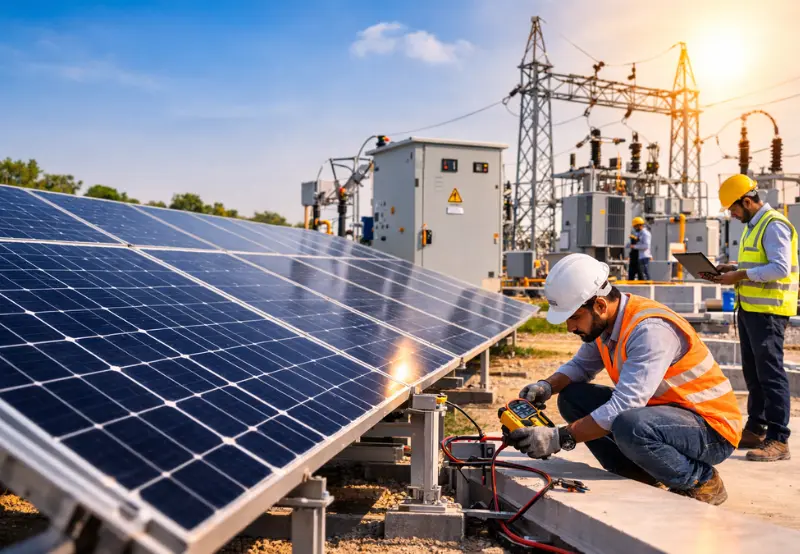
Such measures have made it easier for both private and public players to deploy solar infrastructure at scale.
🔗 Related: India’s Clean Energy Momentum
7. Global Impact: India’s Place in the Solar Economy
By surpassing Japan, India now commands a strategic place in the global solar economy, influencing pricing, supply chains, and innovation. It is:
- Exporting solar modules to Africa, the Middle East, and ASEAN nations
- Participating in International Solar Alliance (ISA) initiatives
- Attracting FDI in green energy infrastructure
This positions India not just as a user, but a solar power exporter and policy influencer on the world stage.
8. Challenges Along the Way
Despite the growth, India faces several roadblocks:
- Land availability issues in densely populated regions
- Grid integration and transmission bottlenecks
- Import dependency for high-efficiency cells and storage components
- Need for robust recycling systems for old solar panels
Addressing these proactively will determine whether India can maintain its position—and eventually surpass the United States.
9. Conclusion
The news that India surpasses Japan in solar energy is a proud milestone, but also a springboard. It signals a shift from reliance to resilience, from imports to innovation, and from ambition to action.
As India continues to electrify its economy sustainably, it sends a clear message: The sun is rising in the East—and it’s shining brightest over India.