
India’s clean energy story often sounds like a success headline — record solar installations, falling renewable tariffs, and ambitious climate targets. Yet, behind this rapid green transition lies a surprising reality: several Indian states continue signing long-term thermal power agreements even as renewable energy becomes cheaper.
At first glance, it feels contradictory. Why invest in coal-based electricity when solar and wind power costs are hitting historic lows?
The answer reveals a deeper truth about how electricity systems actually work — and why energy transition is far more complex than simply replacing coal with solar panels.
Let’s break it down.
India’s Renewable Energy Boom: A Quick Reality Check
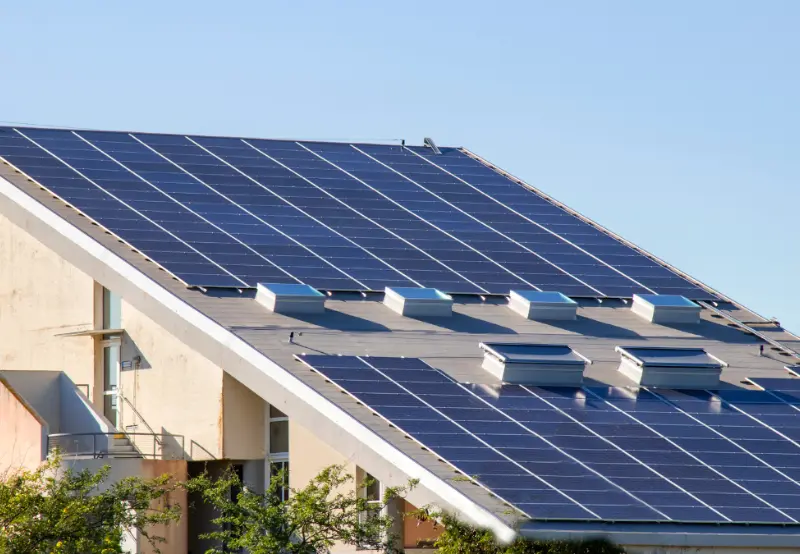
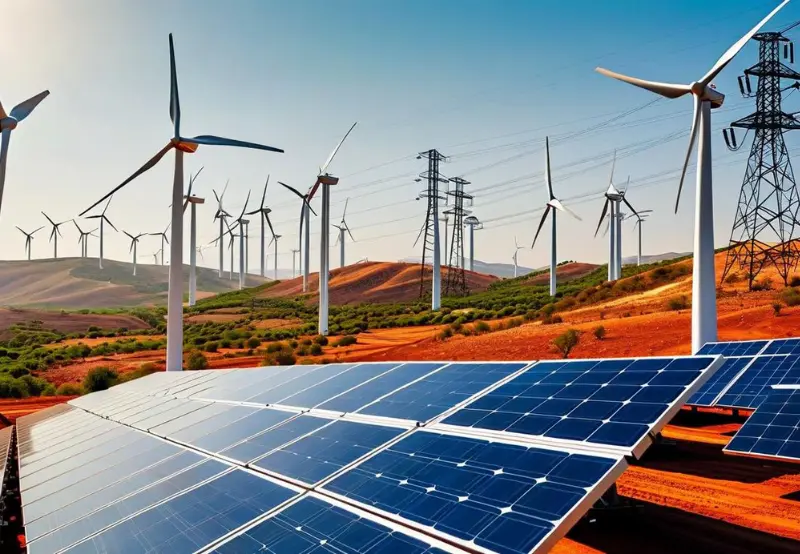
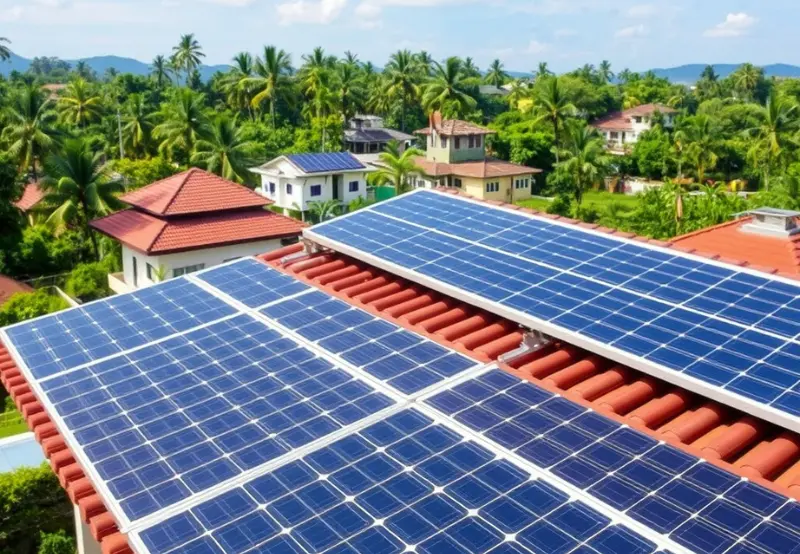
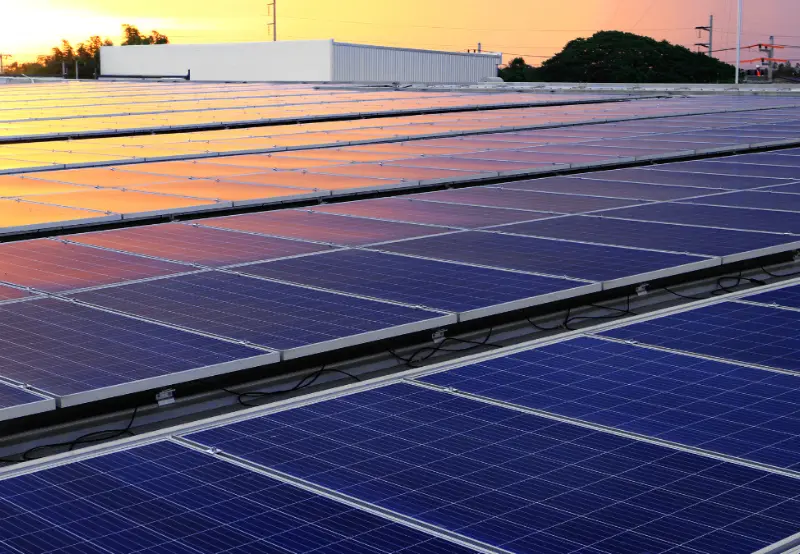
India has emerged as one of the fastest-growing renewable energy markets in the world. Solar parks, wind farms, rooftop installations, and hybrid projects are expanding rapidly across states like Gujarat, Rajasthan, and Tamil Nadu.
Government initiatives such as the National Solar Mission were designed to accelerate solar adoption while reducing dependence on fossil fuels. The mission aimed to create favourable policies that make solar power scalable and affordable nationwide.
And it worked.
Renewable tariffs have dropped dramatically, making clean power cheaper than many conventional sources.
So why are states still choosing thermal power?
The Paradox: Cheap Renewables, Costly Thermal Contracts
According to recent industry updates, several states have entered long-term thermal power purchase agreements (PPAs) despite renewable electricity being available at record-low prices.
Thermal power tariffs in new agreements range between ₹5.38 and ₹7.27 per kWh, significantly higher than many renewable bids.
On paper, this seems economically irrational.
But electricity planning isn’t only about price — it’s about reliability.
Understanding Baseload Power: The Hidden Challenge
Electricity demand doesn’t sleep.
Hospitals, metro systems, data centres, factories, and homes require uninterrupted power 24 hours a day. This constant demand is known as baseload power.
Why Renewables Struggle Here
Solar power works only during daylight hours.
Wind energy fluctuates depending on weather conditions.
Even with massive renewable deployment, supply gaps remain unavoidable.
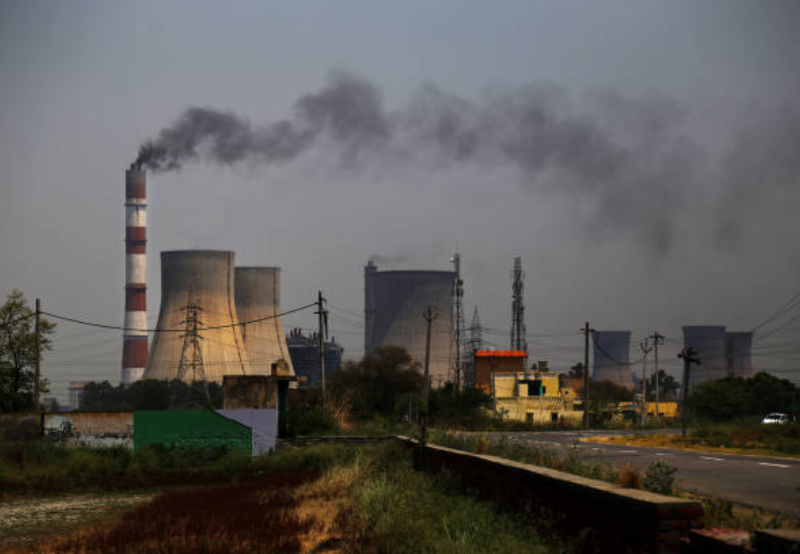
Thermal plants, however, provide continuous generation regardless of sunlight or wind speed.
Think of renewables as intermittent rainfall, while thermal power acts like a steady river feeding the system year-round.
Energy Security: States’ Biggest Concern
State utilities carry the responsibility of ensuring lights stay on — politically and economically.
Recent procurement decisions indicate that states prioritise:
- Round-the-clock electricity availability
- Protection against renewable intermittency
- Demand surges during peak seasons
- Industrial growth requirements
These concerns explain why coal-based generation still plays a stabilising role in India’s energy mix.
Rising Power Demand Is Changing the Equation
India’s electricity consumption is growing faster than expected.
Urbanisation, electric mobility, manufacturing expansion, and digital infrastructure are driving unprecedented demand growth.
Even renewable-rich regions face shortages during evening peak hours when solar generation drops sharply.
For instance, projections show states may still require additional coal capacity to maintain reliability despite strong renewable penetration.
In simple terms: demand is growing faster than storage technology can currently compensate.
The Storage Gap: Renewable Energy’s Missing Piece
Battery storage is often presented as the ultimate solution.
And yes — storage technology is improving rapidly.
But today, large-scale battery deployment remains expensive and limited compared to national power demand.
Without adequate storage:
- Solar power cannot supply nighttime demand.
- Wind variability creates forecasting risks.
- Grid operators must maintain backup generation.
Thermal plants effectively serve as that backup.
Financial Risks Faced by State Utilities
Electricity distribution companies (DISCOMs) operate under tight financial pressure.
Renewable power sometimes introduces operational challenges such as:
- Transmission delays from renewable-rich states
- Curtailment risks
- Forecasting inaccuracies
States therefore hedge their risk by maintaining thermal contracts that guarantee firm supply.
It’s less about rejecting renewables — and more about avoiding blackouts.
Transmission Infrastructure: The Silent Bottleneck
Here’s a factor rarely discussed.
Renewable energy projects are often located far from demand centres — deserts, coastal regions, or remote land parcels.
Transmission infrastructure hasn’t always kept pace with renewable expansion.
Delays in grid connectivity can leave clean energy stranded, forcing states to rely on locally available thermal generation instead.
Until transmission networks expand significantly, thermal plants remain geographically dependable.
Coal as a Transition Fuel — Not a Permanent Choice
Contrary to popular belief, most states are not abandoning renewable ambitions.
Instead, they are adopting a dual-track strategy:
- Rapid renewable capacity addition
- Thermal power for stability and backup
India’s energy transition resembles upgrading an aircraft mid-flight — systems cannot simply be switched off overnight.
Renewables Are Still Winning the Long Game
Despite thermal procurement, renewable energy continues dominating capacity additions nationwide.
Solar alone contributes a major share of new installations each year, supported by large hybrid parks and state-level clean energy auctions.
Projects like the massive hybrid renewable energy park in Gujarat demonstrate the scale at which India is planning its clean energy future.
The direction remains green — even if the pace appears cautious.
Policy Evolution: From Capacity to Reliability
India’s energy policy focus is gradually shifting.
Earlier goal:
✅ Add renewable capacity quickly
Current goal:
✅ Ensure reliable clean energy supply
This explains the rise of concepts such as:
- Firm and Dispatchable Renewable Energy (FDRE)
- Hybrid solar-wind projects
- Battery energy storage systems
- Resource adequacy planning
Thermal power temporarily fills the reliability gap while these solutions mature.
What This Means for India’s Net-Zero Goals
India has committed to achieving net-zero emissions by 2070 while expanding non-fossil electricity capacity significantly.
Thermal reliance today does not necessarily contradict that vision.
Instead, it highlights a realistic transition pathway — balancing climate ambition with economic stability.
Energy transitions succeed not through abrupt replacement, but through gradual system redesign.
The Real Question: Transition Speed vs Stability
Here’s the core dilemma policymakers face:
Would you prefer cheaper clean electricity with occasional shortages — or slightly costlier power that guarantees reliability?
States are choosing stability for now.
But as storage costs fall and grid infrastructure improves, the dependence on thermal generation is expected to decline steadily.
Future Outlook: When Will Thermal Dependence Reduce?
Several developments could accelerate change:
- Affordable grid-scale battery storage
- Green hydrogen integration
- Smart grids and AI forecasting
- Flexible thermal plant operations
- Expanded interstate transmission corridors
Once renewables become truly dispatchable, thermal dominance will naturally fade.
Conclusion
India’s continued investment in thermal power amid renewable growth is not a contradiction — it is a reflection of energy realism.
Renewables may be cheaper, cleaner, and rapidly expanding, but electricity systems demand consistency above all else. Until storage technology, grid infrastructure, and forecasting capabilities fully evolve, thermal power remains the backbone supporting India’s green transition.
The country isn’t stepping away from renewables. It’s simply ensuring that the journey toward clean energy doesn’t come at the cost of reliability.
In the grand energy transition, coal may no longer lead — but for now, it still steadies the ship.