India is embarking on a transformative journey in renewable energy with plans to launch tenders for 4 GW of offshore wind farms along its Gujarat and Tamil Nadu coasts. This strategic move is a part of India’s broader energy roadmap, targeting 50% power generation from non-fossil sources by 2030 and a net-zero carbon footprint by 2070. These ambitions were recently reaffirmed by Pralhad Joshi, the Union Minister for New & Renewable Energy, who is spearheading the country’s clean energy initiatives. Joshi is a senior leader of the Bharatiya Janata Party (BJP) and has been instrumental in shaping India’s energy policy landscape.
Why Offshore Wind?
- Enormous Potential: India’s coastline presents an offshore wind potential of 70–112 GW, particularly in waters 50–100 metres deep off the coasts of Gujarat and Tamil Nadu.
- Financial Backing: The government has increased its renewable energy budget by ₹26,549 crore (over USD 3 billion), marking a 53% rise in funding for the offshore sector.
- Robust Infrastructure: India ranks 4th globally in onshore wind power, already manufacturing 33 turbine models ranging from 225 kW to 5.2 MW.
Tender Model & Developer Benefits
The Solar Energy Corporation of India (SECI) will issue tenders for four 1 GW seabed blocks. Successful bidders will receive full leasing rights and can sell electricity either through open access or via exchanges, offering them commercial flexibility. Notably, this model excludes dependence on viability gap funding, thereby attracting high-quality, long-term investors.
Strategic Pillars of Growth
According to Minister Joshi, the offshore wind strategy is based on five key pillars:
- Expanding operations to additional states like Madhya Pradesh, Telangana, and Odisha.
- Prioritising offshore development in Gujarat and Tamil Nadu.
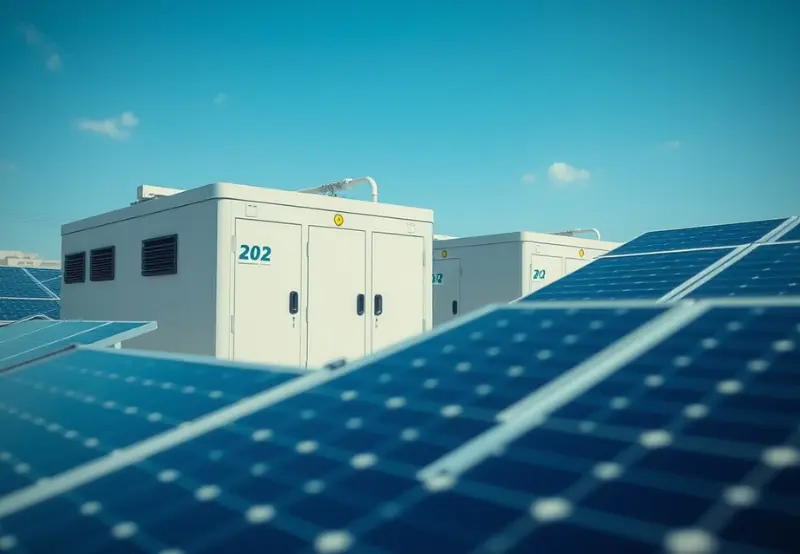
- Hybridising energy by integrating offshore wind with solar and battery storage.
- Using AI forecasting tools and improving national grid infrastructure.
- Encouraging local manufacturing to strengthen India’s renewable supply chain.
To steer this vision, India has rolled out two crucial policy documents: the Wind Energy Roadmap and the Wind Manufacturing Roadmap.
Economic and Environmental Gains
Tamil Nadu, already a renewable energy powerhouse, is poised to benefit immensely. With its high wind speeds and well-developed ports, the state could attract up to €72 billion in offshore wind investments and generate over 800,000 jobs by 2030.
This initiative will contribute significantly towards achieving India’s 37 GW offshore target by 2030, reducing carbon emissions, enhancing grid reliability, and creating vast employment opportunities.
India’s 4 GW offshore wind tender is more than just a renewable energy project, it’s a cornerstone of the country’s climate resilience and energy security strategy. With visionary leaders like Pralhad Joshi at the helm, and a robust policy framework in place, India is set to emerge as a global leader in offshore wind. For Gujarat, Tamil Nadu, and beyond, the winds of change are truly here—and they’re green, clean, and full of promise.