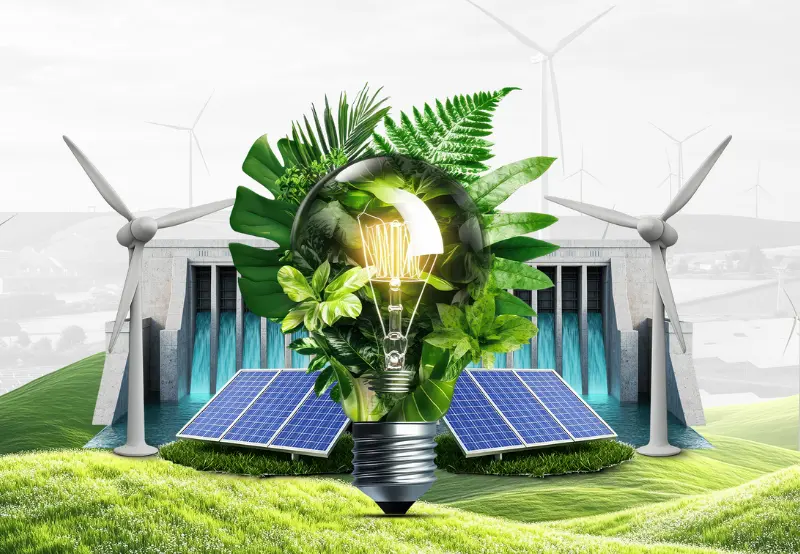

India’s transition towards clean energy is being shaped by a strategy that combines economic growth, affordable power and environmental responsibility, according to Union Minister for New and Renewable Energy Pralhad Joshi. The country’s approach focuses on expanding renewable energy capacity while ensuring electricity remains accessible and cost-effective for households, farmers and industries.
Renewable Energy as a Growth Engine
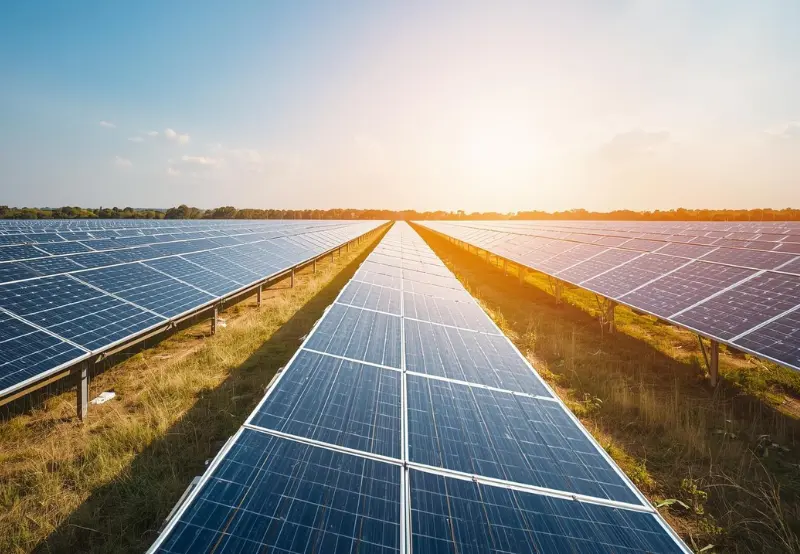
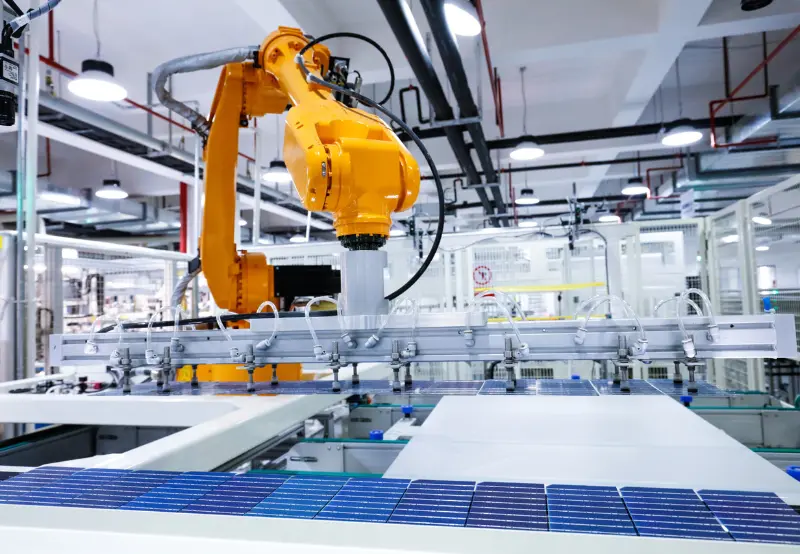
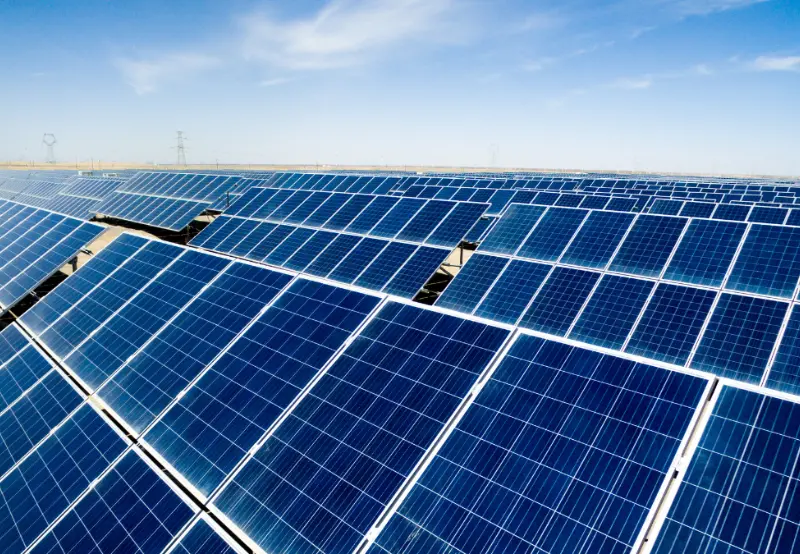
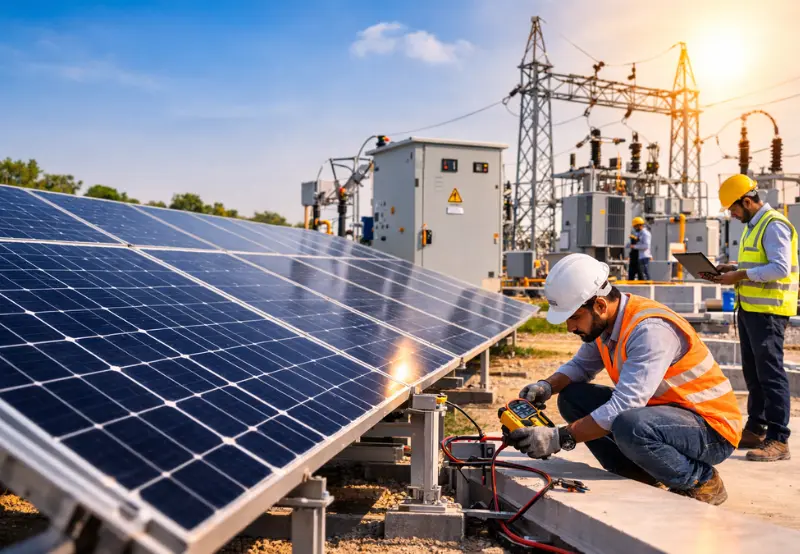
India has rapidly scaled up solar and wind energy deployment, making renewables a central pillar of its power sector. Large-scale solar parks, rooftop solar systems and decentralised energy solutions are helping meet rising electricity demand while reducing dependence on fossil fuels. This expansion has also created employment across manufacturing, installation and maintenance, supporting broader economic development.
The clean energy transition, the minister noted, is not an obstacle to growth but a catalyst that strengthens energy security and industrial competitiveness.
Focus on Affordable Power
Affordability remains a key priority in India’s renewable energy journey. Declining solar and wind tariffs have made clean power one of the most economical sources of electricity in the country. Supportive policies, transparent bidding mechanisms and domestic manufacturing incentives have helped lower costs while attracting sustained investment.
Decentralised renewable systems, including rooftop solar and solar-powered agricultural solutions, are further reducing electricity expenses for consumers and improving access in rural and remote regions.
Inclusive and Scalable Energy Transition
India’s clean energy strategy emphasises inclusivity, ensuring that the benefits of renewable power reach all sections of society. Mini-grids and off-grid renewable solutions are improving reliability in areas with limited grid infrastructure, enhancing resilience and energy independence.
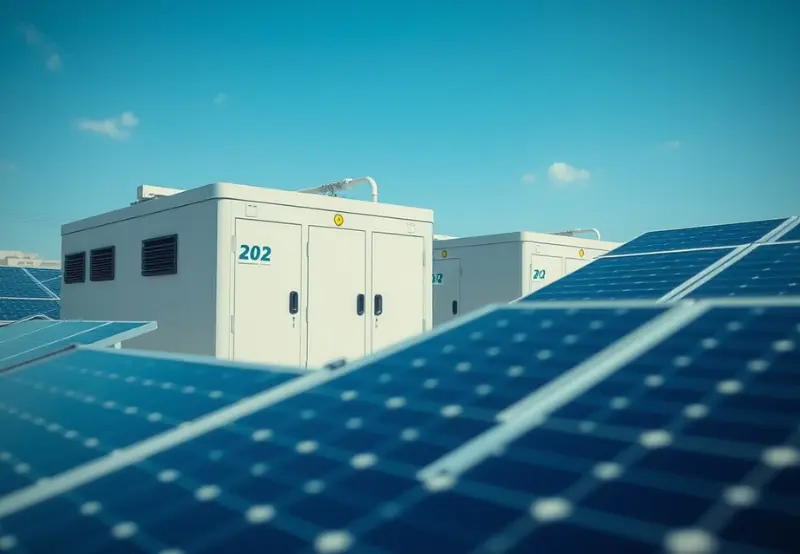
Alongside renewable generation, the country is investing in energy storage, green hydrogen and grid modernisation to support long-term system stability and flexibility.
Global Leadership in Clean Energy
India’s experience demonstrates that emerging economies can pursue ambitious climate goals without compromising economic development. By sharing practical and scalable clean energy models, India is positioning itself as a leader in global energy transition efforts, particularly among developing nations.
As renewable capacity continues to grow, India’s balanced approach highlights how clean energy can drive sustainable development while keeping power affordable and accessible.