
India’s energy landscape is undergoing one of the fastest transformations in the world. Over the past ten years, the country’s energy demand has risen by nearly 40%, driven by economic expansion, population growth, digitalisation, and rapid industrial development.
According to a recent energy outlook released by Shell, India is entering a new phase where artificial intelligence (AI), natural gas, and renewable energy are collectively reshaping how power is generated, consumed, and managed across the country.
This shift signals not just rising consumption — but a structural change in India’s long-term energy strategy.
India’s Growing Appetite for Energy
India’s economy continues to expand at a rapid pace, bringing higher electricity consumption across industries, transport systems, households, and digital infrastructure.
Shell’s analysis highlights that strong economic and population growth has been the primary driver behind the 40% increase in energy demand over the last decade.
What makes this growth significant is its scale. Projections suggest that India’s total energy demand could eventually surpass that of the United States in the 2040s and China in the 2060s, positioning the country at the centre of global energy markets.
AI and Digitalisation: A New Energy Driver
One of the most unexpected contributors to rising electricity demand is artificial intelligence.
AI-powered technologies, cloud computing, and large data centres require enormous and continuous electricity supply. As India accelerates digital adoption and builds AI infrastructure, power consumption from data processing alone is expected to grow sharply.
Energy planners now recognise AI-driven demand as a major factor influencing future electricity expansion and grid planning.
Simply put, the digital economy runs on electricity — and India’s digital boom is reshaping its energy needs.
Renewables Taking Centre Stage
Despite rising demand, India’s energy transition is steadily moving towards cleaner sources.
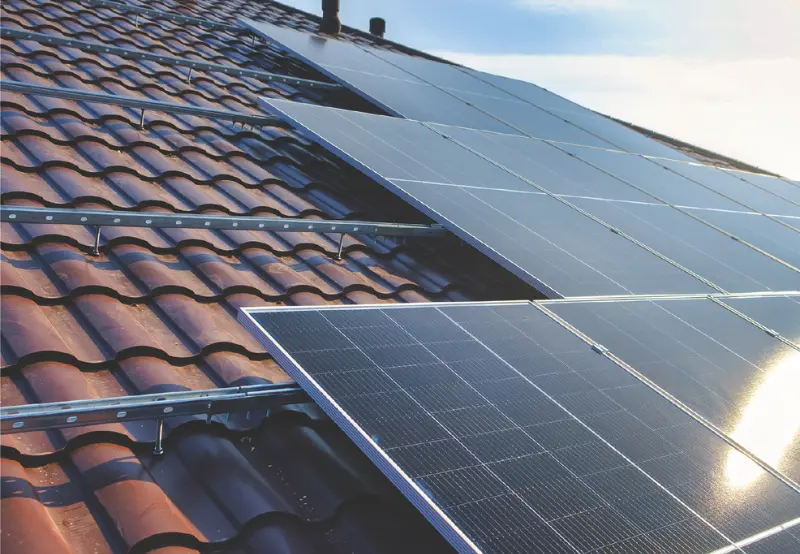
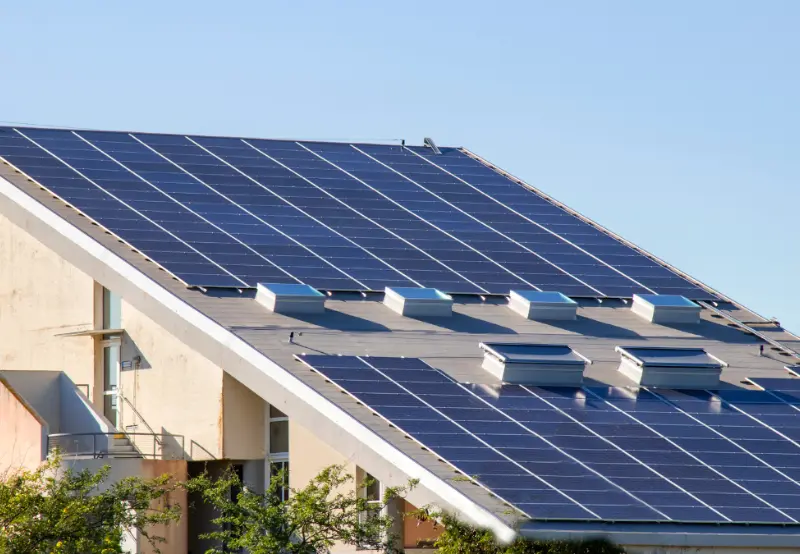
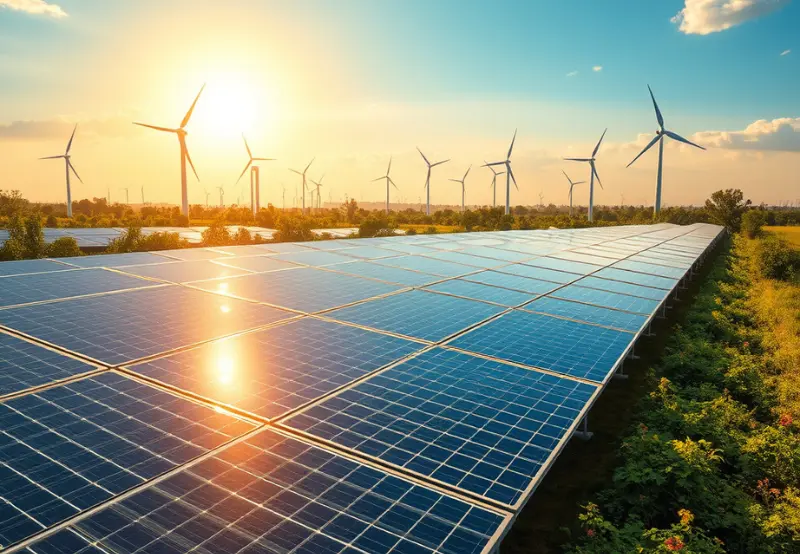
Solar and wind energy have grown rapidly, increasing from about 3% of electricity consumption in 2015 to over 20% today, with projections indicating they could account for 59% or more of electricity generation by 2050 across different energy scenarios.
This growth reflects a broader shift from imported fossil fuels towards domestically produced renewable energy, improving both energy security and sustainability.
Renewables are no longer alternative sources — they are becoming central pillars of India’s power system.
Natural Gas as a Transition Fuel
While renewable energy expands, natural gas is expected to play a crucial supporting role.
Shell projects that India’s gas demand could rise by more than 50% over the next decade, helping balance renewable intermittency while meeting industrial and household energy requirements.
Gas-fired power plants provide flexible generation that can quickly respond when solar or wind output fluctuates, making them vital during the transition toward cleaner electricity systems.
Fossil Fuels: Declining Share, Rising Volumes
An interesting paradox emerges from the report.
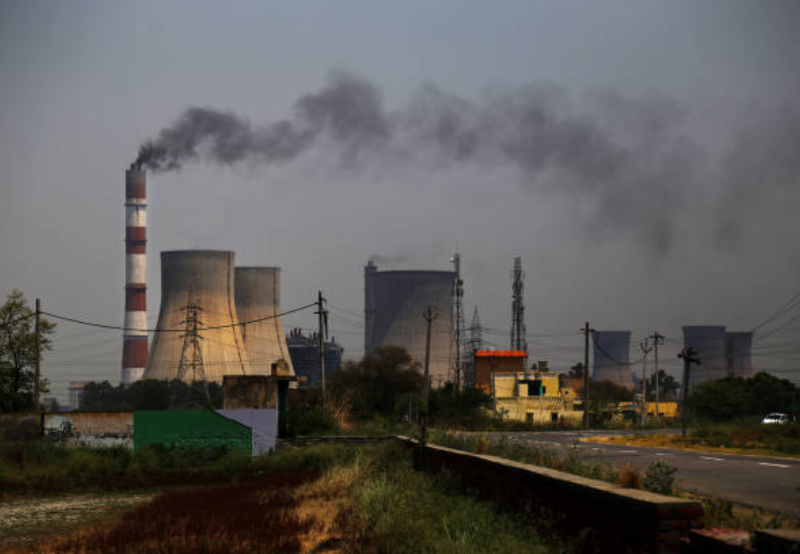
Although fossil fuels are expected to peak in their share of India’s energy mix during this decade, overall fossil fuel consumption may still increase in absolute terms.
Why?
Because total energy demand itself is growing rapidly. Even if renewables expand faster, the sheer scale of consumption means conventional fuels will continue supporting economic activity for some time.
This highlights the complexity of transitioning a fast-growing economy toward low-carbon energy.
Electricity Becoming the Core of Energy Use
Another major trend is electrification.
Electricity now accounts for a growing share of India’s final energy consumption, reaching levels comparable with advanced economies.
Electrification is expanding across:
- Electric mobility
- Smart manufacturing
- Urban infrastructure
- Residential cooling demand
- Digital services
As more sectors switch from direct fossil fuel use to electricity, power demand is expected to accelerate further.
Three Possible Energy Futures for India
Shell’s outlook outlines three potential pathways shaping India’s energy transition:
1. Archipelagos Scenario
Focuses on energy security amid geopolitical uncertainty, with diversified fuel usage.
2. Surge Scenario
Rapid technological growth driven by digitalisation, AI expansion, and accelerated electrification.
3. Horizon Scenario
Stronger global climate cooperation enabling faster decarbonisation.
Each pathway emphasises balancing affordability, reliability, and sustainability in future energy planning.
Energy Security at the Heart of Transition
India’s strategy increasingly prioritises domestic energy production.
By scaling renewable capacity and diversifying fuel sources, the country aims to reduce dependence on imported fossil fuels while improving resilience against global price shocks.
Low-carbon fuels, bioenergy, and emerging technologies such as green hydrogen are expected to support sectors that are difficult to electrify directly.
Challenges Ahead
Despite progress, several challenges remain:
- Managing renewable intermittency
- Expanding transmission infrastructure
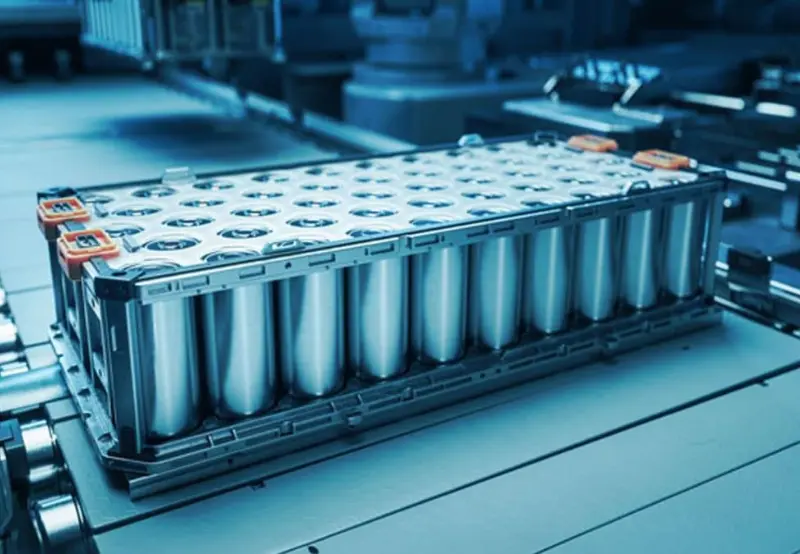
- Scaling battery energy storage
- Financing clean energy deployment
- Meeting rapidly rising demand sustainably
Balancing economic growth with climate commitments will require long-term planning and technological innovation.
India’s Role in the Global Energy Future
India is projected to become the world’s largest contributor to energy demand growth in the coming decades.
Its decisions regarding fuel mix, renewable deployment, and infrastructure investments will significantly influence global emissions trends and energy markets.
The country’s transition therefore carries implications far beyond national borders.
Shaping a Smarter, Cleaner Energy Era
India’s energy demand rising by 40% in just a decade reflects a nation undergoing rapid transformation. The future energy mix will not be defined by a single source but by a combination of renewables, natural gas, electrification, and digital innovation.
AI-driven growth, expanding renewable capacity, and flexible fuel systems are collectively reshaping how energy is produced and consumed.