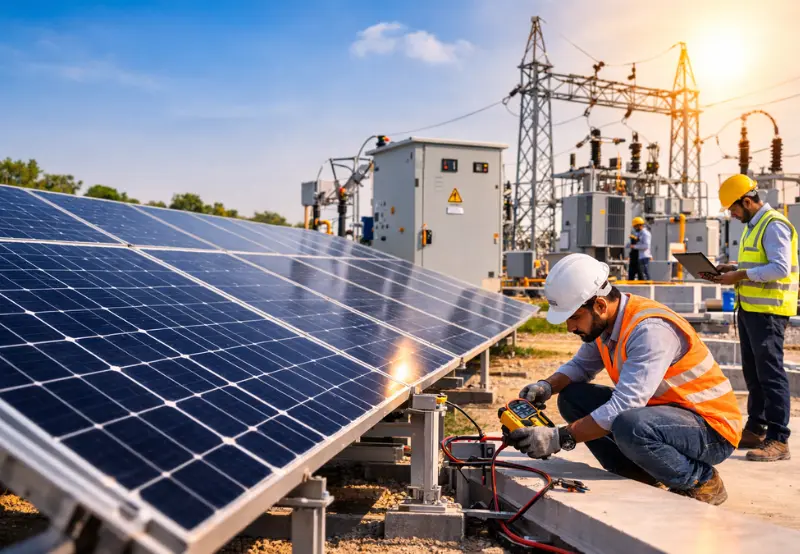

India’s green hydrogen sector reached a major milestone when Indian Oil Corporation (IOCL) unveiled the first-ever tender-based price for green hydrogen: ₹397 per kilogram (approx. USD 4.67/kg). This landmark discovery marks a turning point in clean-energy ambitions, signalling that India is poised to join the global green hydrogen race.
Why ₹397/kg Matters
Analysts from Eninrac Consulting, such as Ravi Shekhar, stress that this price is globally competitive, rivaling green hydrogen costs in the Middle East (~USD 4.50–6.00/kg) and substantially lower than imported European prices (₹500–600/kg), thanks to India’s low-cost solar power (₹2.5–3/unit).
Industry Mix of Excitement and Caution
- Optimistic Outlook: Analysts believe that with India’s cheap renewables, domestic green hydrogen can soon outpace overseas imports .
- Grey vs Green Debate: At ₹397/kg, green hydrogen remains nearly double the price of fossil‑fuel-derived grey hydrogen. ICRA’s Prashant Vasisht warns that it isn’t yet competitive, pending further reductions in renewable energy prices and electrolyser capital costs .
Why This Is a Watershed Moment
- Policy validation: The tender price showcases India’s commitment under the National Green Hydrogen Mission and supports its broader decarbonisation agenda with clear market signals.
- Domestic manufacturing boost: Cost-competitive green hydrogen attracts new investment, drives electrolyser production, and scales up pilot initiatives in steel, mobility, shipping, and more .
- Export potential unlocked: By producing green hydrogen at globally competitive prices, India positions itself as a future exporter, leveraging low-cost renewables and expanding electrolyser capacity.
What Lies Ahead
To reach parity with grey hydrogen, India must:
- Drive renewable energy costs even lower (₹2–₹2.5/unit).
- Reduce electrolyser capex through scale, innovation, and incentives.
- Expand policy & infrastructure support—including clear demand aggregation, green hydrogen certification, and blending or purchase mandates.
Within the next decade, green hydrogen could enter the ₹250–300/kg range, making it truly competitive with grey hydrogen and unlocking a cascade of industrial and export opportunities.
The ₹397/kg discovery is more than a number—it’s proof that India is stepping up as a serious player in the global green hydrogen arena. While cost parity with conventional hydrogen remains a challenge, the combination of exceptionally low solar tariffs, focused manufacturing efforts, and enabling policies positions India on a strong path toward producing sustainable hydrogen at scale.