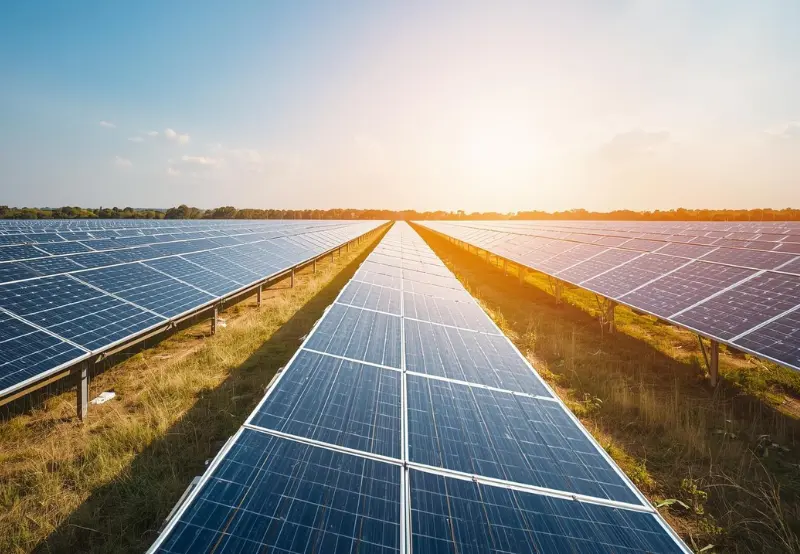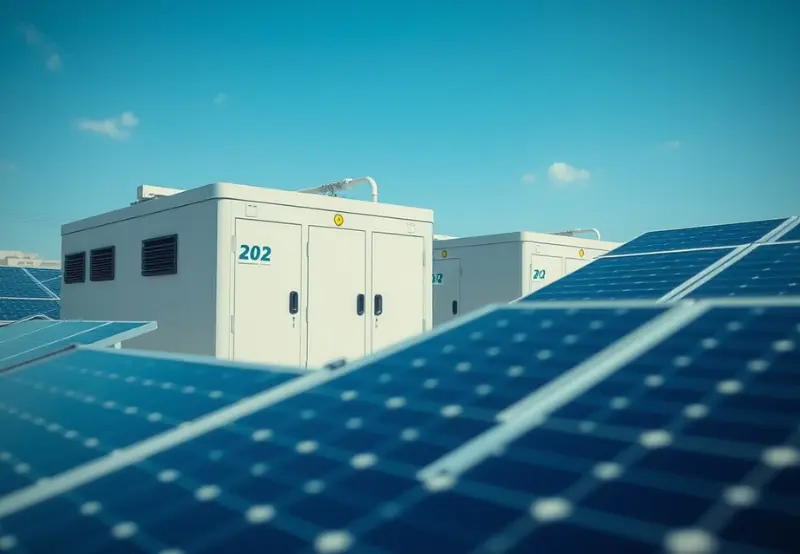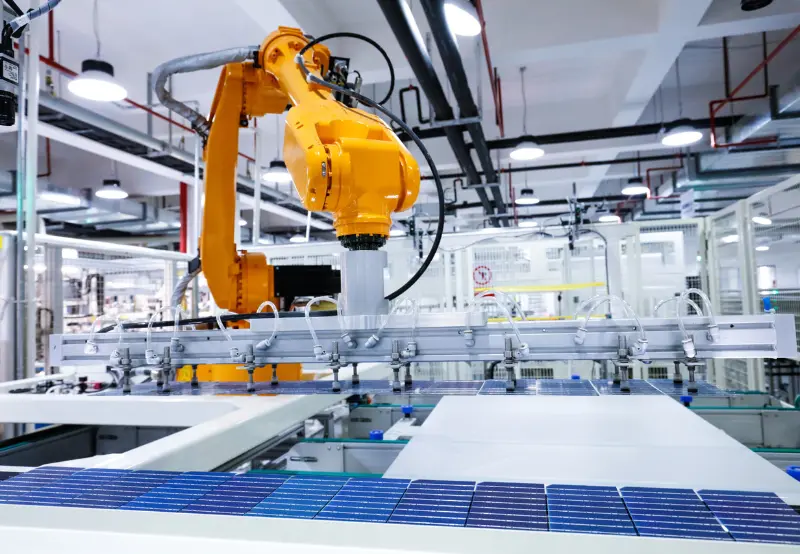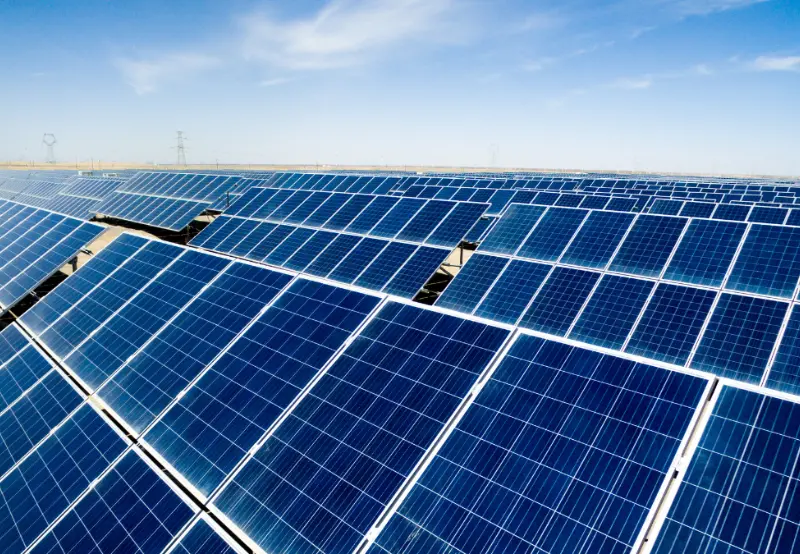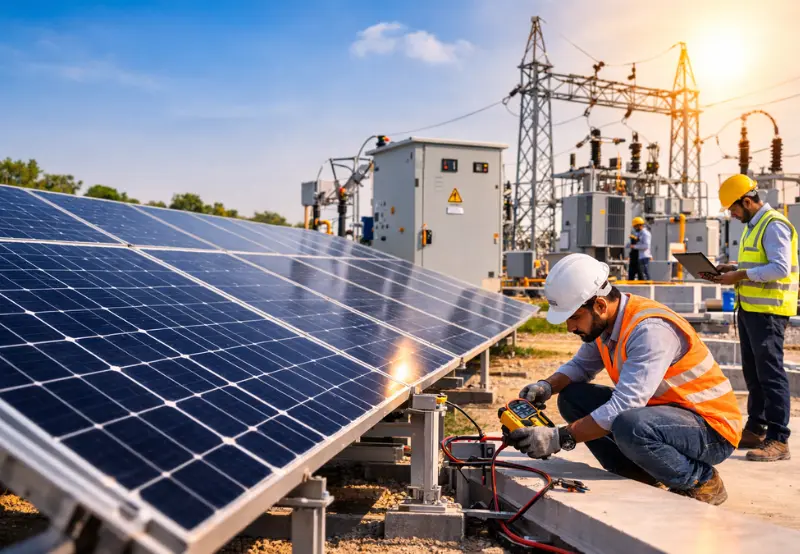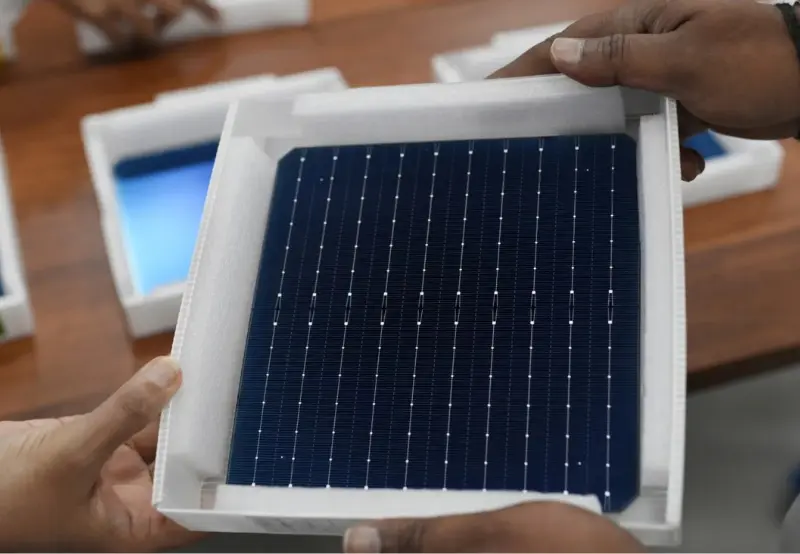

India is rapidly advancing its clean energy transition, achieving significant strides in electrification and renewable energy deployment that position the nation as a leader among emerging economies. The country is leveraging the falling costs of solar panels, batteries and other green technologies to accelerate the shift from fossil fuels to electricity generated from renewable sources.
Clean Energy Growth and Declining Fossil Fuel Use
In recent years, India has achieved record growth in renewable energy capacity, particularly in solar power installations. The country added tens of gigawatts of solar and wind capacity in 2025, contributing to a growing share of electricity generated from non-fossil sources. This expansion has helped India reach milestones in clean energy adoption years ahead of target timelines.
At the same time, both India and China — two of the world’s largest energy consumers — saw a decline in electricity emissions from coal generation in 2025 as renewable capacity additions outpaced increases in overall power demand. This simultaneous reduction marks a historic shift in energy production patterns, reflecting the scale of clean energy investment and deployment in each country.
Electrification Driven by Affordable Technologies
A new analysis highlights that India is electrifying its economy faster than China did at similar stages of development, primarily because of rapid cost declines in solar panels, battery storage and electric vehicles. Advanced renewable technologies are now far more affordable than when China first industrialised, enabling India to expand electrification without heavy dependence on fossil fuels. This cost advantage supports energy independence and long-term sustainability.
By reducing the per-capita consumption of coal and oil relative to past development trajectories, India is creating a model for cleaner growth that contrasts with traditional fossil-fuel-intensive energy pathways.
Benefits of Renewable Expansion
The shift towards renewables provides multiple strategic benefits for India:
- Energy security: Less reliance on imported fossil fuels enhances economic resilience and reduces exposure to global price volatility.
- Lower emissions: Expanding solar, wind and other clean sources supports climate commitments and contributes to slowing the growth of greenhouse gas emissions.
- Cost savings: Larger deployments of low-cost solar and storage systems are bringing down the overall cost of electricity and improving affordability for consumers and businesses.
- Growth and jobs: Clean energy expansion is creating new economic opportunities in manufacturing, installation and operations, helping boost local employment.
Looking Ahead
With continued policy support, investment and technology deployment, India’s clean energy transition is expected to intensify in the coming years. As electricity demand continues to grow with economic development, expanding renewable energy capacity will be crucial to meeting needs sustainably and costs efficiently.
The nation’s experience shows that clean electrification — powered by affordable, scalable technologies — can be harmonised with growth goals, offering a pathway to resilient and climate-aligned energy systems.