
India’s push towards renewable energy is gaining momentum, but the transition is increasingly constrained by stranded power capacity and slow institutional reforms, creating obstacles for the country’s clean energy ambitions. The situation highlights the gap between rapid renewable energy deployment and the ability of existing systems to absorb and distribute that power effectively.
The Problem of Stranded Renewable Power
One of the major issues in India’s renewable energy sector is stranded power—electricity generated by renewable plants that cannot be sold or transmitted to consumers. This occurs mainly due to delays in transmission infrastructure, regulatory hurdles, and difficulties in securing power purchase agreements (PPAs).
As renewable energy installations expand rapidly, transmission networks often struggle to keep pace. Without adequate grid connectivity, some renewable projects remain underutilised or face delays in becoming operational. Similar concerns have been reported across the sector, where renewable projects are stalled due to incomplete transmission lines and regulatory delays.
Institutional Inertia Slowing the Transition
Another key challenge is institutional inertia within the power sector. India’s electricity system still relies heavily on legacy structures built around coal-based power plants. Policies, financial frameworks, and regulatory processes were designed for conventional power generation and are not always suited to variable renewable energy sources.
This results in slower approvals, delayed power procurement decisions by state utilities, and a lack of coordinated planning between generation and transmission infrastructure.
Coal’s Continued Dominance
Despite rapid growth in renewable energy capacity, coal remains the dominant source of electricity generation in India, accounting for a large share of the country’s power supply.
This reliance on coal creates a structural tension in the transition process. While renewable capacity is expanding quickly, coal-based plants are still required to ensure grid stability and meet rising electricity demand in a growing economy.
Rapid Growth in Renewable Energy
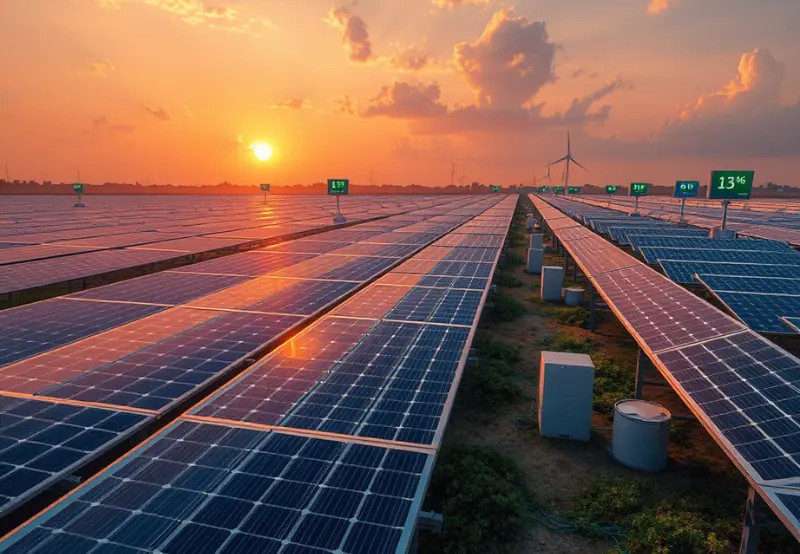
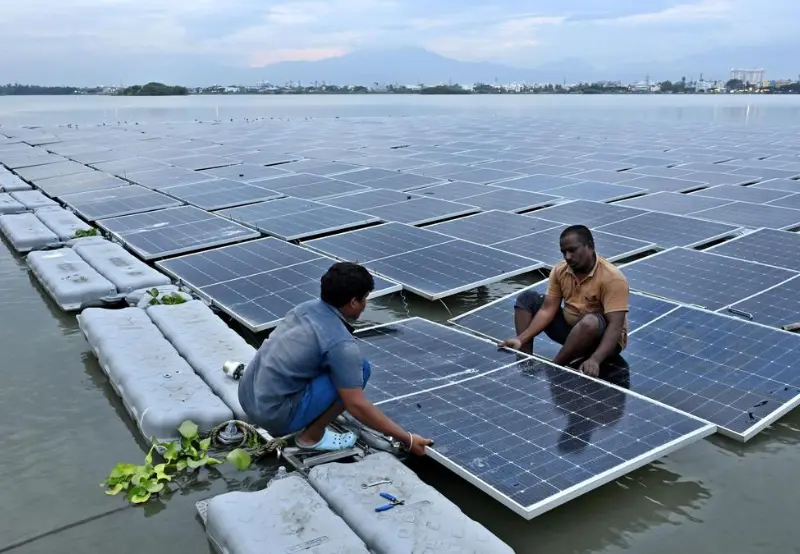
India has nevertheless made remarkable progress in expanding clean energy. The country has already crossed over 250 GW of non-fossil power capacity, and renewable installations continue to grow rapidly as part of the national target of 500 GW of non-fossil capacity by 2030.
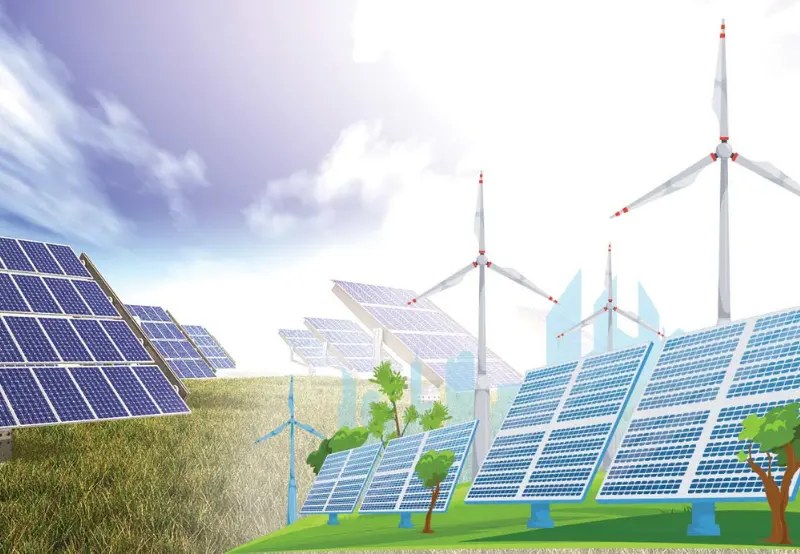
Solar and wind power have led this expansion, supported by government policies, competitive auctions, and falling technology costs.
What Needs to Change
Experts suggest that India’s renewable transition will require deeper structural reforms, including:
- Faster development of transmission infrastructure
- Improved coordination between renewable generation and grid planning
- Financial reforms in state electricity distribution companies (DISCOMs)
- Expansion of energy storage and flexible power systems
Without these changes, large amounts of renewable energy capacity could remain underutilised, slowing the pace of India’s clean energy transition.
The Road Ahead
India’s renewable energy ambitions remain among the most ambitious in the world. However, addressing institutional bottlenecks and stranded power issues will be crucial for translating installed capacity into reliable, affordable clean electricity.
The success of India’s energy transition will therefore depend not only on building more renewable plants but also on modernising the power system that delivers electricity to consumers.