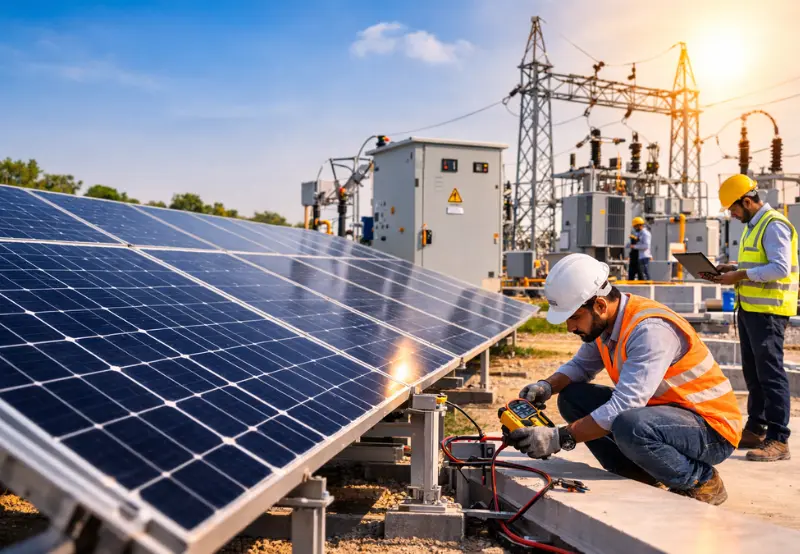
Kerala battery storage is gaining attention as the State Electricity Board seeks to modernise the electricity grid, support renewable integration, and tackle peak demand challenges. The Kerala State Electricity Board (KSEB) has commissioned leading consulting firms to carry out a feasibility study to assess large-scale Battery Energy Storage Systems (BESS) deployment across the state.
1. Why Kerala is Looking at Battery Storage
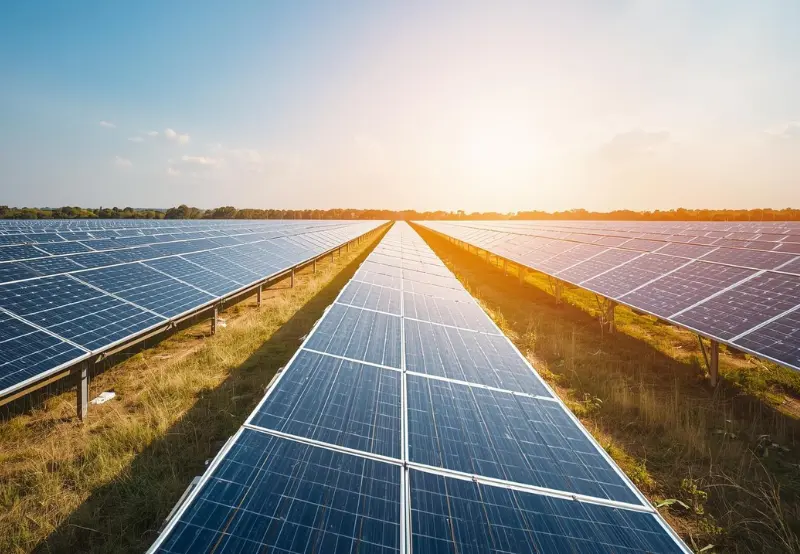
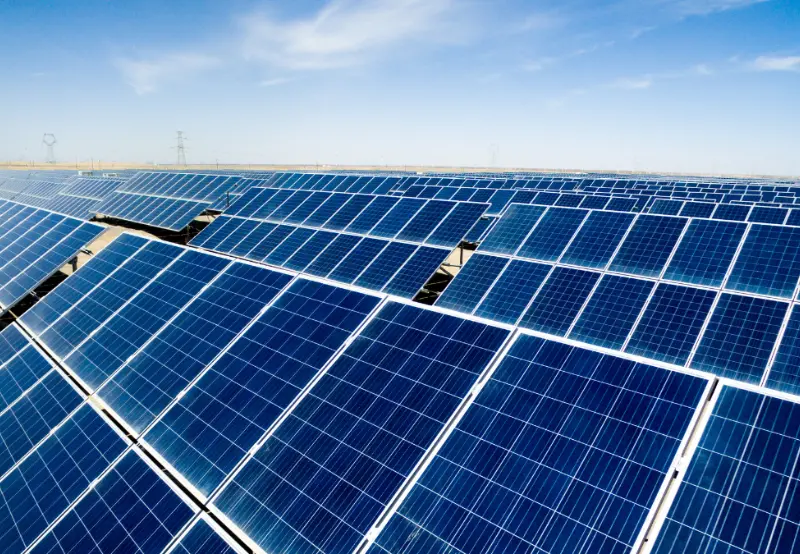
Kerala’s power system is evolving. As solar and other renewables gain traction, the intermittency of generation causes imbalances between supply and demand. Battery storage offers a buffer — storing excess power when supply is high, releasing it when demand peaks.
Additionally, peaks in consumption (e.g. early evening) stress the grid, and batteries can defer the need for costlier peaking power plants. For a state with modest land availability and high electricity usage, BESS can offer flexibility, resilience, and better grid operations.
2. The Feasibility Study — Who, What & How
To ensure the project is viable technically and financially, KSEB has engaged three respected firms: DNV MES India Pvt Ltd, Tata Consulting Engineers Ltd, and Deloitte India.
Their remit includes:
- Evaluating suitable sites
- Technology selection (battery chemistry, inverters, controls)
- Grid integration and power flow analysis
- Cost estimates, revenue models, and financial returns
- Regulatory compliance, permitting, and risk assessment
Such a comprehensive approach will help KSEB and the Kerala government make informed decisions about scale, timing, and funding.
3. Proposed Scale: 3,000–5,000 MWh Over 3–5 Years
The initial target under consideration is substantial: 3,000 to 5,000 MWh of battery storage capacity to be installed over a 3-5 year window.
To put that in perspective:
- If you assume round-trip efficiency of ~85–90 %, that amount of storage can shift significant energy across daily peaks.
- This would represent among the larger BESS deployments in India, comparable to other state or national projects.
4. Early Approvals: 125 MW / 500 MWh Projects
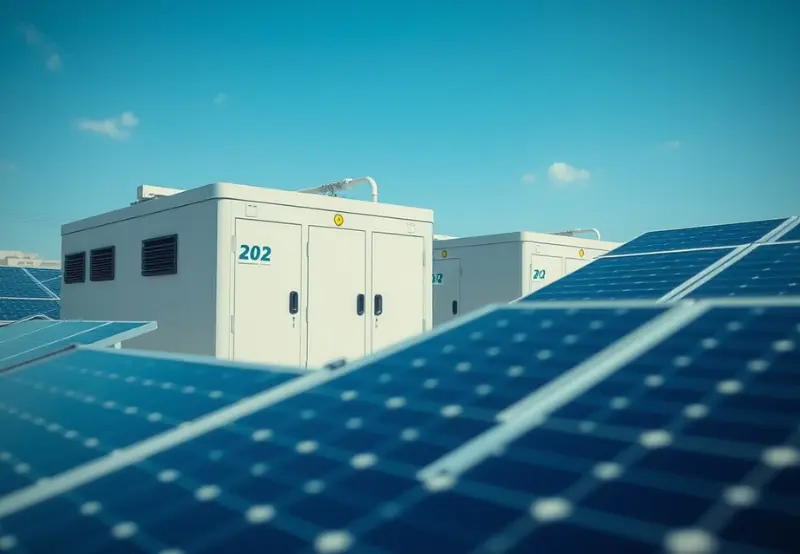
Kerala isn’t starting from zero. The Kerala State Electricity Regulatory Commission (KSERC) has already cleared four grid-scale BESS installations at substations in Sreekantapuram, Pothencode, Mulleria, and Areacode. Together, they total 125 MW / 500 MWh in capacity.
This suggests steady regulatory backing and a willingness to test projects in the field. The feasibility study will likely take these as reference points.
5. Benefits Kerala Could Reap
Deploying battery storage at scale in Kerala could deliver multiple advantages:
- Grid stability and reliability: Mitigate voltage fluctuations, frequency deviations, and outages.
- Peak management: Shift expensive peak load away from fossil fuel peaker plants.
- Renewable integration: Absorb excess solar generation and reduce curtailment.
- Deferring infrastructure investment: Delay or avoid costly grid upgrades, transmission lines, or new power plants.
- Operational cost savings: Reduce fuel cost, ramping costs, and wear & tear on conventional plants.
- Clean energy branding & leadership: Position Kerala as a state embracing smart grid solutions and advanced storage.
6. Challenges & Considerations
Of course, large BESS deployment is not trivial. Key challenges include:
- Capital investment & financing: High upfront costs for battery packs, inverters, control systems.
- Technology risk: Battery degradation, selecting the wrong chemistry or supplier, lifecycle issues.
- Land / space constraints: Battery systems require secure space, cooling, and access.
- Grid integration complexity: Interconnection standards, protection schemes, power flow modelling.
- Regulatory & policy clarity: Tariff structures, incentives, ownership models.
- Maintenance & operations: Ensuring high availability, spare parts, battery management systems.
- Safety & environmental concerns: Fire suppression, battery disposal / recycling.
The feasibility study must deeply assess these to ensure realistic project viability.
7. Broader Context: Energy Storage in India
Battery storage is rapidly gaining importance in India’s energy roadmap. Several states and central agencies have announced ambitious plans and tenders. Kerala’s move fits into a larger national push to bring storage as a key enabler for grid flexibility, renewables, and 24×7 power.
Indian tenders are now increasingly incorporating storage, and policies at central and state levels are evolving to support BESS deployment, including incentives, regulatory changes, and auctions.
8. What to Watch Going Forward
- The final report of the feasibility study: scale, costs, site proposals, technology choices.
- Whether Kerala moves from planning to procurement / bidding in the near future.
- Financing models: public funding, PPPs, private investors.
- Selection of battery technology (e.g. lithium ion, flow batteries, etc.).
- Regulatory changes: supportive tariffs or incentives for grid storage.
- How the initial 125 MW / 500 MWh projects perform once commissioned.
- Interactions with renewable generation growth in Kerala (solar, wind, etc.).
9. Conclusion
Kerala battery storage is not just a buzzword — it may be the next strategic leap in how the state manages demand, integrates clean energy, and ensures reliable power. The feasibility study by DNV, Tata Consulting, and Deloitte signals serious intent from KSEB to explore technical, commercial, and operational viability.
If Kerala can successfully deploy 3,000–5,000 MWh of storage over 3–5 years, and expand beyond that, it could become a model for energy storage deployment in Indian states. Challenges remain — cost, integration, risk — but the direction is promising.
For more energy storage related news, visit; Energy Storage