
The Kerala State Electricity Regulatory Commission’s recent decision to remove the fuel surcharge ceiling from state power tariff regulations has sent a strong signal about the evolving dynamics of electricity pricing in India. While the amendment itself focuses on conventional power cost recovery, it also underscores the growing economic and strategic value of renewable energy sources such as solar power.
Why the Fuel Surcharge Amendment Matters
Historically, Kerala placed a cap on how much electricity distribution companies could automatically recover from consumers through a fuel surcharge. This cap was intended to protect consumers from frequent price changes. However, in recent years, high volatility in fuel and power purchase costs meant that distributors struggled to recover actual expenses on time, impacting financial stability.
The removal of this ceiling enables tariffs to more accurately reflect true costs when fuel or grid power becomes expensive, allowing distribution companies to recover costs in real time rather than waiting for periodic tariff revisions.
Volatility of Conventional Power Costs vs Solar Price Stability
One of the key lessons emerging from this tariff reform is the volatility of conventional energy costs. Fossil fuel-based power — largely dependent on international coal prices, freight and exchange rates — can swing dramatically from month to month. This volatility directly affects consumer bills and exposes both utilities and end users to rapid price shifts.
In contrast, solar energy offers price stability. Once a solar plant is commissioned, the fuel cost (sunlight) is free and predictable. Solar power purchase agreements (PPAs) typically provide long-term, fixed or gently escalated tariffs, insulating buyers from the sharp fluctuations seen in conventional energy markets.
Kerala’s Power Sector and the Renewable Opportunity
Although Kerala’s grid is currently dominated by a mix of hyrdoelectric and conventional power, the tariff change highlights a broader policy objective: move towards a cost-reflective electricity market. In such a market, renewable energy — especially solar — becomes more attractive for multiple reasons:
- Predictable Costs: Solar PPAs often lock in tariffs for 15 to 25 years, reducing uncertainty for both utilities and large consumers.
- Reduced Surcharge Pressure: Greater adoption of solar can lower the need for fuel surcharges tied to expensive conventional power purchases.
- Financial Stability: By reducing dependence on volatile fossil fuel prices, utilities can smooth out revenue cycles and improve credit profiles.
- Environmental Benefits: Solar power reduces greenhouse gas emissions and aligns with national clean energy targets.
Boosting Solar Deployment in Kerala
Kerala has already taken steps to enhance renewable deployment through rooftop solar programmes, net-metering policies and incentives for commercial solar installations. The removal of the surcharge cap has further strengthened the case for solar in several ways:
- Grid Billing Comparisons: When electricity tariffs reflect actual production costs without artificial ceilings, solar PPAs become comparatively more attractive for cost-conscious industries.
- Investment Signals: Transparent pricing encourages both public and private investment in solar projects, including utility-scale, commercial, and even community solar models.
- Consumer Choices: Households and businesses are more likely to adopt rooftop solar or hybrid solar–storage systems when the cost benefits relative to volatile grid tariffs are clear.
Solar and Energy Storage: A Stronger Combination
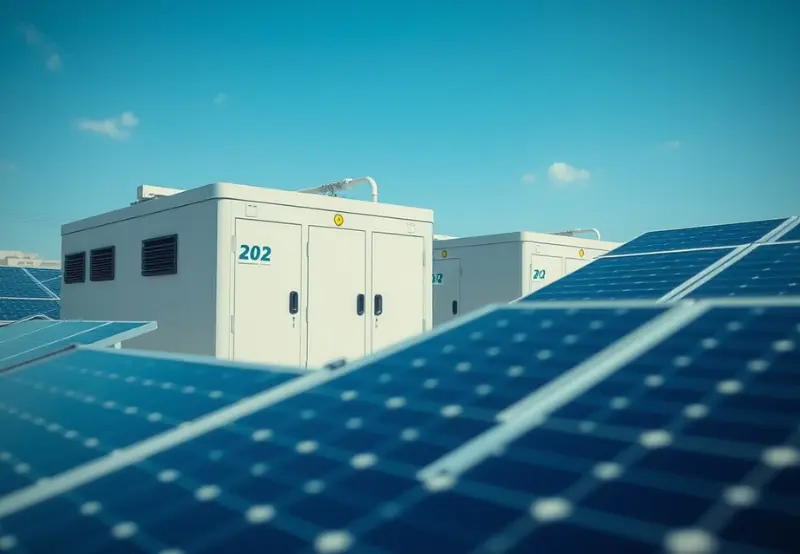
The tariff reform also highlights the role of energy storage when paired with solar. Storage systems can shift solar production to peak demand periods, further reducing reliance on expensive grid power and smoothing out billing variations. As Kerala and other states expand renewable penetration, combining solar with battery storage will be a key strategy for improving grid stability and economic efficiency.
Conclusion: Solar’s Strategic Advantage
While the fuel surcharge amendment in Kerala was not explicitly about renewable energy, it indirectly emphasises why solar energy is an increasingly essential component of a modern, resilient and cost-effective electricity system. By reducing exposure to unpredictable fuel prices and ensuring transparent cost pass-through, the new tariff regime strengthens the economic rationale for solar adoption across consumer segments.
As power markets evolve, solar energy — backed by supportive policies, storage integration and long-term PPAs — stands out as a reliable, clean and financially prudent choice for a sustainable energy future.