
Kerala is taking a major step towards building a smarter and more reliable electricity network as work on the state’s first Battery Energy Storage System (BESS) project is set to begin in Kasaragod. The project marks a significant milestone in Kerala’s clean energy transition, focusing not just on renewable power generation but also on efficient energy storage.
With rising electricity demand and increasing solar power adoption, the initiative is expected to reshape how the state manages peak power consumption and grid stability.
Kerala’s First Large-Scale Battery Storage Facility
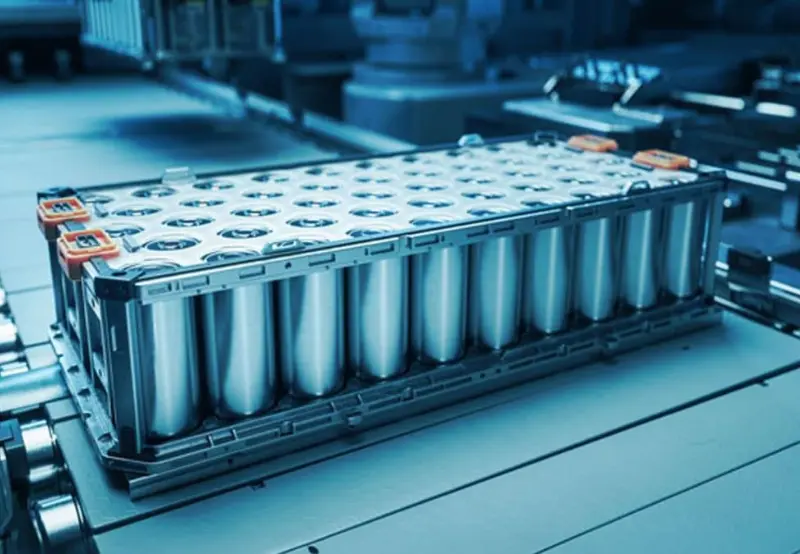
The upcoming BESS project will be developed near the 220 kV substation at Mylatti in Kasaragod with a storage capacity of 125 MW / 500 MWh. Once operational, it will become one of India’s pioneering large-scale battery storage systems capable of supplying electricity continuously or intermittently for up to four hours.
The project is being implemented by the Kerala State Electricity Board (KSEB) in collaboration with the Solar Energy Corporation of India, supported by central government viability gap funding of ₹135 crore.
Why Battery Energy Storage Matters
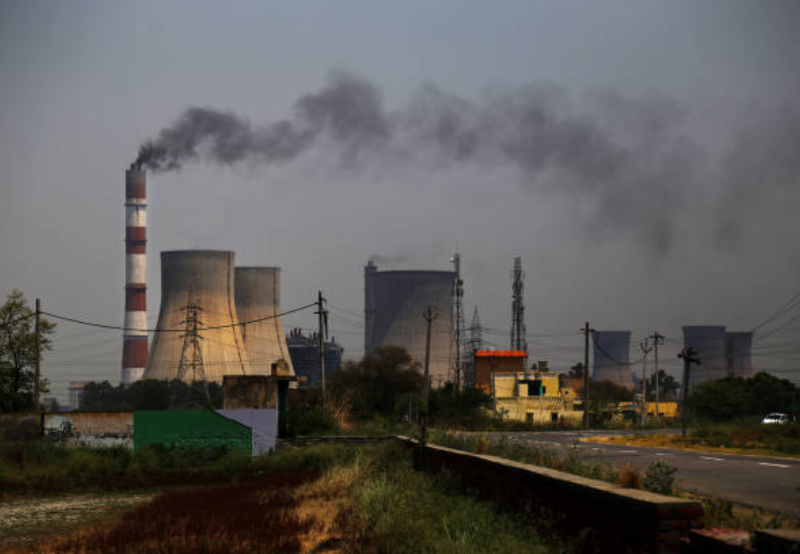
Renewable energy sources such as solar power generate electricity mainly during daytime hours, while demand typically peaks in the evening. This mismatch often forces utilities to purchase expensive power during high-demand periods.
Battery energy storage solves this challenge by:
- Storing low-cost electricity generated during the day
- Supplying power during evening peak hours
- Reducing dependence on costly external power purchases
- Improving grid reliability
Essentially, the system works like a large-scale power bank for the state’s electricity network.
Reducing Peak-Time Power Costs
One of the primary objectives of the project is to cut Kerala’s peak-hour electricity procurement expenses. Stored energy can be discharged when demand rises sharply, helping stabilise tariffs and reduce financial pressure on the power utility.
Officials expect the storage facility to significantly optimise power management without requiring upfront investment from the state utility, as the project follows a build-own-operate model.
Supporting Renewable Energy Integration
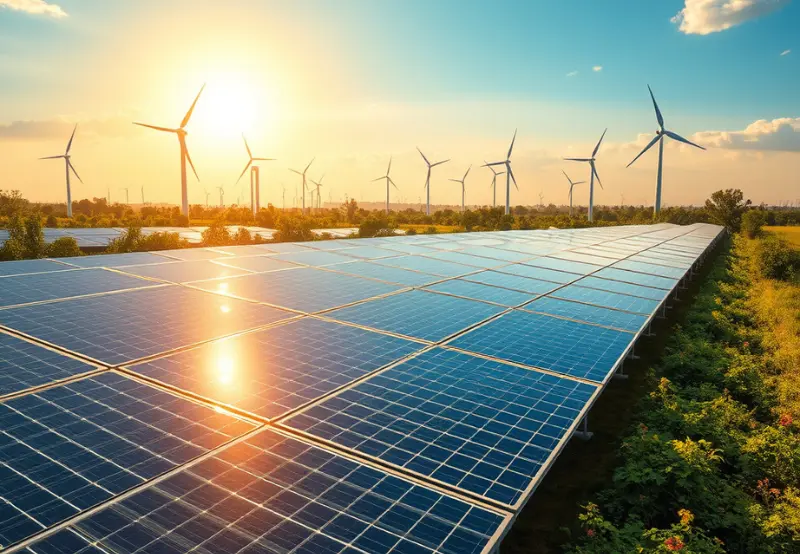
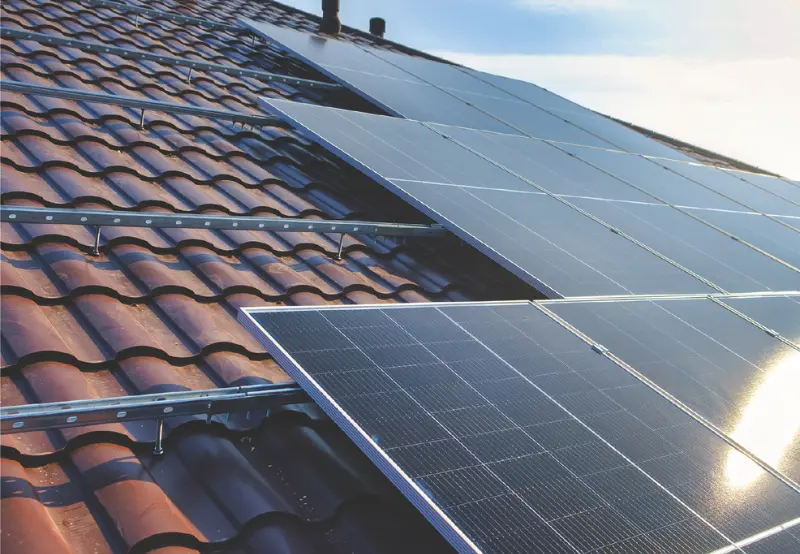
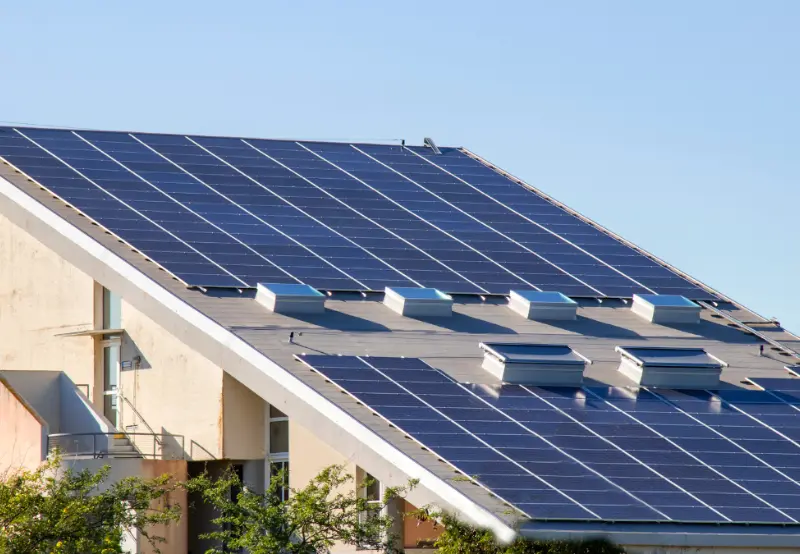
Kerala has been steadily expanding rooftop solar installations and decentralised renewable energy systems. However, higher renewable penetration introduces variability in power supply.
The BESS project will enable smoother renewable integration by storing surplus solar energy and redistributing it when generation declines. This strengthens energy security while supporting the state’s long-term sustainability goals.
Project Timeline and Implementation
Construction work is scheduled to commence immediately, with completion targeted for October 2026. Once commissioned, the facility is expected to play a critical role in managing electricity demand across northern Kerala.
The project represents a shift towards modern grid infrastructure capable of handling future renewable expansion and increasing consumption patterns.
A Step Towards Smarter Power Infrastructure
Energy storage systems are increasingly becoming essential components of modern electricity networks worldwide. Kerala’s initiative reflects a broader transition from conventional power management to flexible, technology-driven solutions.
By investing in storage infrastructure, the state aims to:
- Enhance energy reliability
- Reduce blackout risks
- Improve renewable utilisation
- Build climate-resilient power systems
National Significance of the Project
The Kasaragod BESS facility is expected to serve as a model for other Indian states exploring large-scale energy storage deployment. As India moves towards higher renewable energy targets, storage systems like this will become crucial for maintaining uninterrupted power supply.
Kerala’s early adoption positions the state among frontrunners experimenting with next-generation grid solutions.
Conclusion
The commencement of Kerala’s first Battery Energy Storage System project marks a transformative moment in the state’s energy journey. Moving beyond traditional electricity generation, Kerala is now investing in technologies that ensure power availability when it is needed most.
As renewable energy continues to grow, storage solutions will define the future of electricity systems. The Kasaragod BESS project demonstrates how strategic infrastructure investments can make clean energy reliable, affordable, and sustainable for the long term.