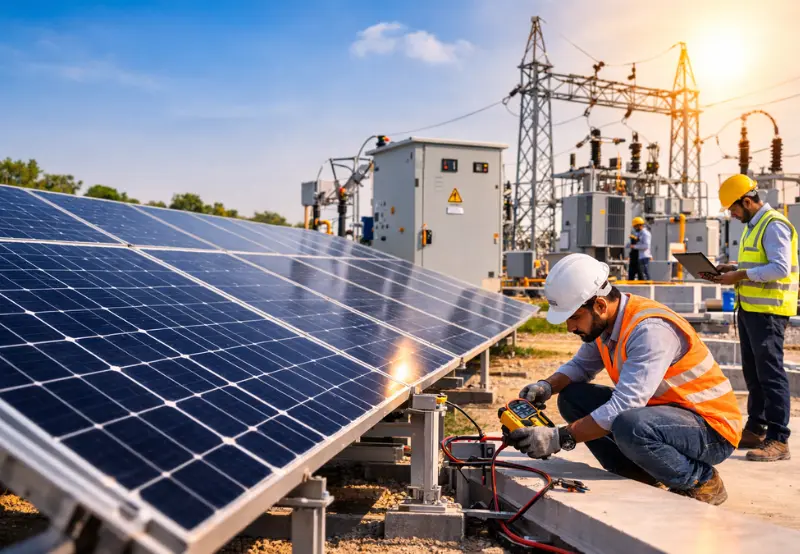
Kerala’s solar dream dims as KSEB’s new policies drive a wedge between consumers and prosumers. Is this divide-and-rule tactic intentional? Find out.
Table of Contents
- Introduction: The Power Struggle
- Who Are Prosumers?
- KSEB’s Latest Move: The Controversy Explained
- The Divide: Consumers vs Prosumers
- Impact on Kerala’s Green Mission
- Reactions from the Ground
- Expert Opinions & Industry Analysis
- What Needs to Change?
- Way Forward: Power Should Empower
- Internal Links to Related Reads
- Conclusion: Empowering, Not Dividing
The Power Struggle
In a time when Kerala is pushing for green energy and sustainable development, the KSEB Solar Controversy has sparked serious concerns among both consumers and prosumers. The Kerala State Electricity Board (KSEB), once hailed as a catalyst of solar adoption, is now being criticised for allegedly dividing its stakeholders — the consumers who use electricity and the prosumers who generate and share solar power.
Who Are Prosumers?
Prosumers are not mere consumers — they produce and consume electricity, often feeding their excess solar power back to the grid. With initiatives like the Soura project, Kerala once stood tall as a model of decentralised, people-driven solar adoption.
But now, these very prosumers feel cornered by recent decisions by KSEB that seem to favour traditional consumers and centralise control, dismantling the spirit of energy democracy.
KSEB’s Latest Move: The Controversy Explained
In 2025, KSEB introduced revised net metering and billing structures which reduce the financial incentives for solar prosumers. Under the new policy:
- Prosumers are paid less for excess energy exported to the grid.
- Delays in solar connections and metering approvals have increased.
- New fees and charges for grid access have been imposed on prosumers.
This move, according to many experts and citizen groups, is strategically diluting the prosumer movement, discouraging rooftop solar adoption.
The Divide: Consumers vs Prosumers
While consumers enjoy uninterrupted grid supply without the burden of investment, prosumers — who invest lakhs into solar infrastructure — now feel penalised for their contribution.
This divide-and-rule approach not only creates mistrust but also reverses the progress made in Kerala’s solar rooftop revolution. Instead of encouraging more citizens to become energy independent, the system now disincentivises clean energy production at the grassroots level.
Impact on Kerala’s Green Mission
Kerala has set ambitious goals under its Renewable Energy Policy 2021 to increase non-conventional energy share. However, this recent KSEB decision contradicts the state’s vision:
- Lower adoption of rooftop solar.
- Reduced public trust in solar policies.
- Increased dependence on fossil-fuel-based centralised power supply.
The eco-conscious communities who were early adopters of solar technology now feel betrayed.
Reactions from the Ground
Several prosumers, green activists, and engineers have raised their voices. Here are a few real-world responses:
“We invested in solar believing we’re building a better Kerala. Now, KSEB treats us like competitors, not partners.” — A prosumer from Ernakulam
“KSEB’s policy is anti-solar and anti-people. It prioritises its monopoly over public good.” — Green energy activist
Even citizen groups have begun petitioning for policy reversal and demanding independent energy governance mechanisms.
Expert Opinions & Industry Analysis
According to a report by Bridge to India, India’s solar energy momentum thrives on policy clarity and community involvement. Kerala’s move, however, showcases a conflict of interest, where the utility body resists decentralisation.
Experts warn:
- Investor confidence in solar ventures will decline.
- India’s net-zero vision for 2070 will face hurdles.
- Consumers will bear the long-term brunt of policy short-sightedness.
What Needs to Change?
To resolve the KSEB Solar Controversy, here are some urgent recommendations:
✅ Transparent & Pro-Prosumer Policy Making
Include prosumer representatives in policy dialogues. No decisions about them without them.
✅ Restore Net Metering Benefits
Ensure that solar producers are compensated fairly for their contributions to the grid.
✅ Improve Approval & Metering Systems
Simplify and expedite the process for new solar connections and avoid red tape.
✅ Energy Neutrality
Treat energy as a citizen’s right, not a utility’s privilege. Encourage community-led solar projects.
Way Forward: Power Should Empower
Energy transitions succeed when people participate. Kerala’s strength lies in its collective consciousness and environmental foresight. Rather than alienating solar adopters, KSEB should become a facilitator of clean energy, not a gatekeeper.
Empowering, Not Dividing
The KSEB Solar Controversy is not just a regulatory hiccup — it’s a reflection of a larger power dynamic between citizens and governing bodies. The need of the hour is collaborative energy governance where every citizen is seen as a contributor to the grid, not a threat.
If Kerala truly wishes to lead India’s green revolution, it must put the power — literally and metaphorically — back in the hands of the people.
Read:https://ecodigest.in/bit-ly-kerala-pm-kusum-solar-pump-scandal/