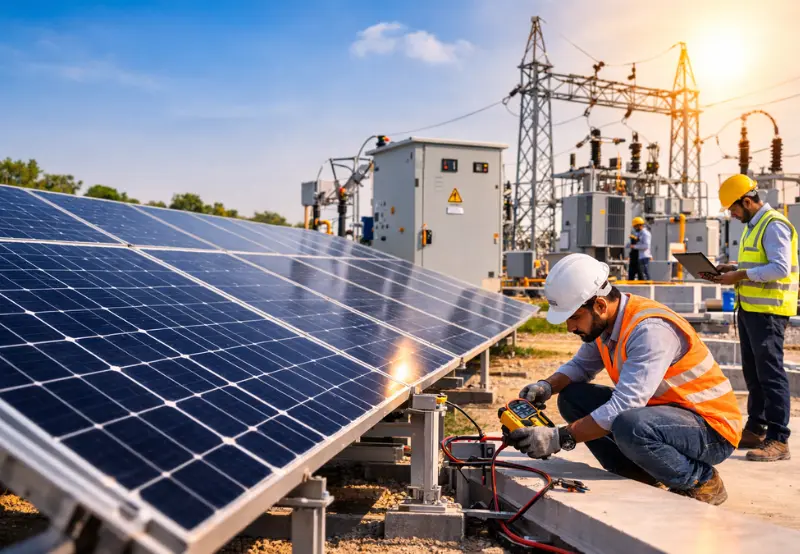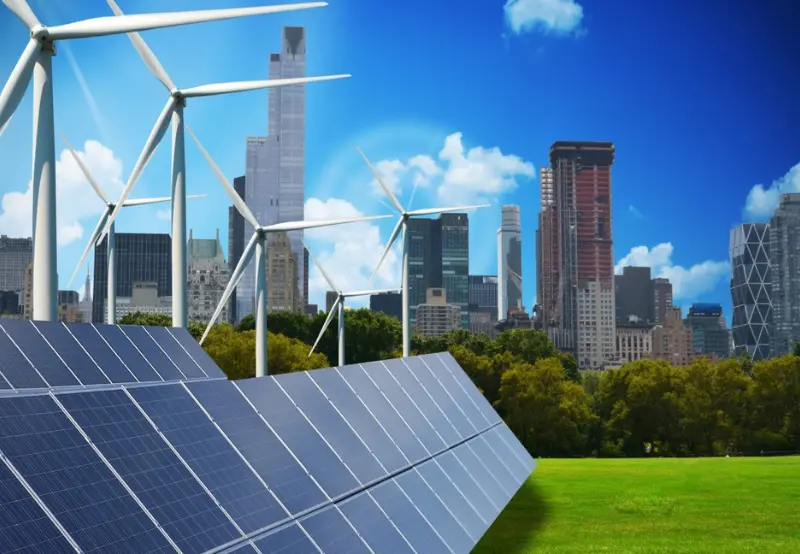

Malaysia renewable energy breakthrough as EFS Group and Planet QEOS launch MYR 2.32 billion project. Discover how it aligns with Malaysia’s clean energy policy and climate goals.
Table of Contents
- Introduction
- Malaysia Renewable Energy Breakthrough: A Defining Moment
- The EFS Group–Planet QEOS MYR 2.32 Billion Deal
- Malaysia’s National Renewable Energy Policy Goals
- How This Project Supports the 2050 Net-Zero Vision
- Economic Benefits and Job Creation
- Technology & Innovation in Malaysia’s Clean Energy Future
- Regional Significance in ASEAN’s Green Transition
- Challenges in Renewable Energy Implementation
- Conclusion
1. Introduction
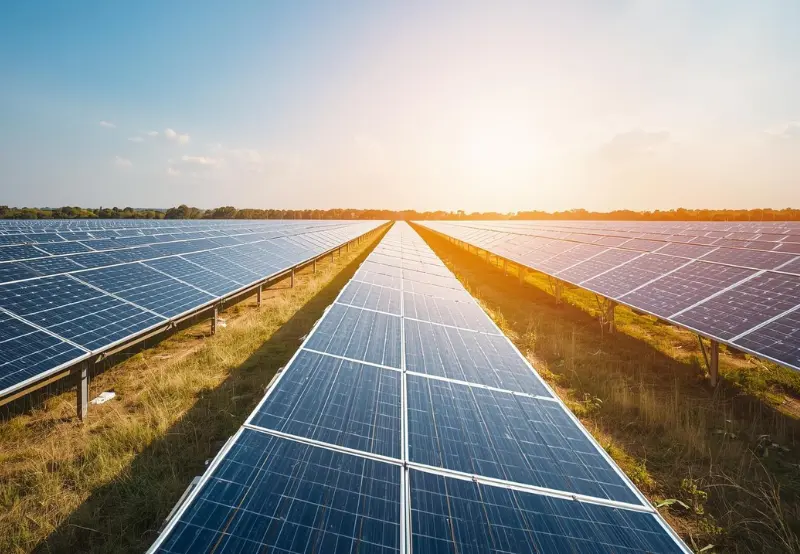
The Malaysia Renewable Energy Breakthrough announced in early 2025 marks a historic step in Southeast Asia’s clean energy transformation. EFS Group, Planet QEOS, and four strategic partners have signed a MYR 2.32 billion (~USD 550 million) agreement to develop Malaysia’s first large-scale renewable energy facility.
This milestone not only strengthens Malaysia’s position in the ASEAN renewable energy market but also aligns with its National Energy Transition Roadmap (NETR), which aims for 70% renewable capacity by 2050.
2.Malaysia Renewable Energy Breakthrough: A Defining Moment
For decades, Malaysia’s energy mix has been dominated by fossil fuels—mainly natural gas and coal. However, rising climate commitments, coupled with the urgent need to diversify energy sources, have driven policymakers to accelerate renewable energy adoption.
This project represents a pivot point—the first time Malaysia has committed such a large investment to a hybrid-scale solar and wind facility with integrated storage.
3.The EFS Group–Planet QEOS MYR 2.32 Billion Deal
Partnership Structure
- Lead Developers: EFS Group & Planet QEOS
- Investment Value: MYR 2.32 billion (~USD 550 million)
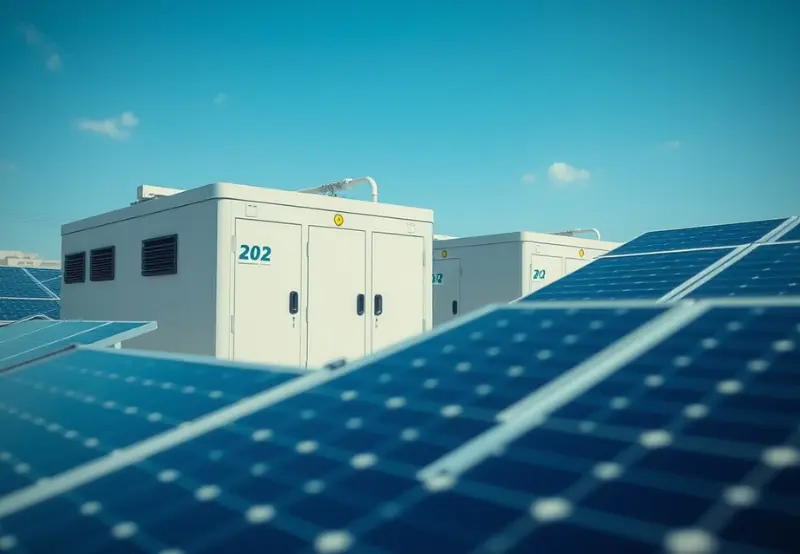
- Project Type: Hybrid solar and wind plant with battery storage integration
- Planned Capacity: Estimated 500–600 MW combined renewable output
Why It Matters
This will be the largest renewable energy facility in Malaysia upon completion, capable of powering hundreds of thousands of households and significantly reducing the national carbon footprint.
4.Malaysia’s National Renewable Energy Policy Goals
Malaysia’s National Renewable Energy Policy and Action Plan (NREPAP) provides the foundation for the country’s clean energy push.
Key targets include:
- 23% renewable energy in installed capacity by 2025
- 70% renewable energy by 2050
- Net-zero GHG emissions by 2050
- Significant expansion of solar, wind, biomass, and hydropower capacity
The EFS–Planet QEOS project fits seamlessly into these goals by creating utility-scale clean energy generation while encouraging private sector participation.
5.How This Project Supports the 2050 Net-Zero Vision
The Malaysia Renewable Energy Breakthrough will help achieve carbon neutrality through:
- Direct CO₂ reduction – Displacing coal and gas generation
- Grid stability – Using battery energy storage to manage intermittent solar/wind output
- Energy diversification – Reducing dependency on imported fossil fuels
- Sustainable urban growth – Powering new industrial and residential hubs with clean energy
6.Economic Benefits and Job Creation
This MYR 2.32 billion investment will stimulate:
- Construction-phase jobs – Thousands of skilled and semi-skilled positions
- Long-term maintenance roles – Permanent employment in operations and monitoring
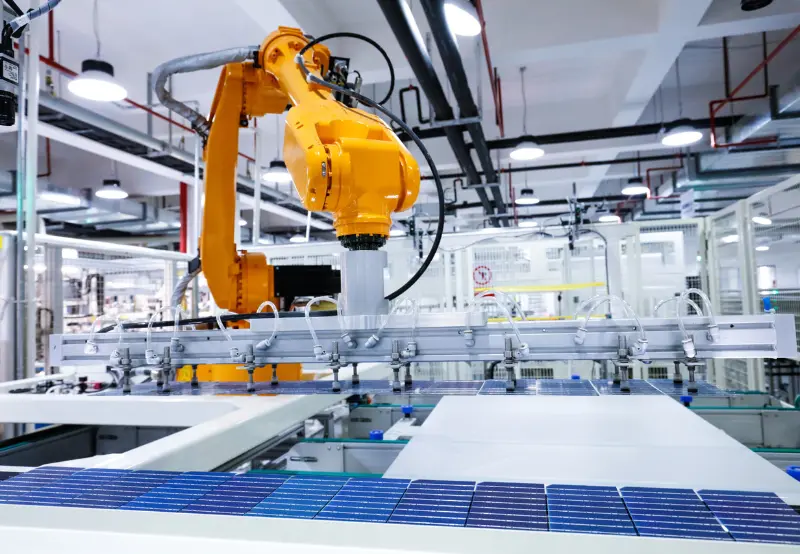
- Local manufacturing opportunities – Potential for solar panel and turbine component assembly in Malaysia
Moreover, such large-scale renewable projects attract foreign direct investment (FDI) and foster technology transfer.
7.Technology & Innovation in Malaysia’s Clean Energy Future
The EFS–Planet QEOS plant will utilise:
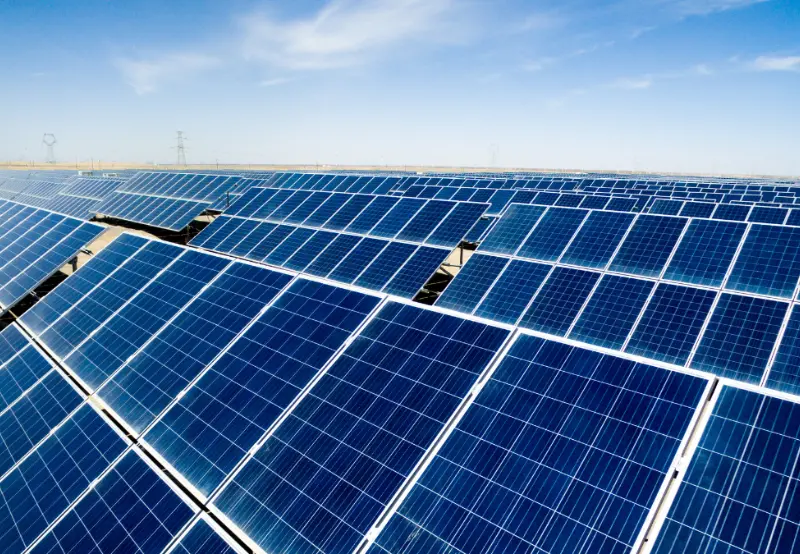
- High-efficiency solar PV modules with advanced tracking systems
- Latest-generation wind turbines with optimised blade design
- Battery Energy Storage Systems (BESS) to ensure 24/7 reliable supply
These innovations align with Malaysia’s Fourth Industrial Revolution (IR4.0) aspirations—combining digital monitoring, AI-powered predictive maintenance, and smart grid integration.
8.Regional Significance in ASEAN’s Green Transition
Malaysia’s leadership in launching this large-scale renewable project sends a powerful signal to neighbouring ASEAN countries.
The region faces growing energy demand, yet climate concerns demand cleaner generation. Projects like this could catalyse:
- Cross-border renewable energy trade
- Regional green financing collaborations
- Joint R&D on tropical-climate renewable systems
9.Challenges in Renewable Energy Implementation
While the Malaysia Renewable Energy Breakthrough is promising, challenges remain:
- Grid integration – Adapting Malaysia’s grid to handle variable renewable output
- Policy certainty – Ensuring long-term incentives for developers
- Land acquisition – Balancing environmental conservation with project siting
- Technology costs – Although declining, battery and turbine prices remain significant
Overcoming these hurdles will require strong governance, transparent policies, and public-private partnerships.
10.Conclusion
The EFS Group–Planet QEOS MYR 2.32 billion project is more than Malaysia’s first large-scale renewable energy plant—it’s a symbol of national transformation.
By aligning with Malaysia’s NETR 2050 goals, integrating cutting-edge technology, and providing economic and environmental benefits, this initiative is a template for ASEAN’s clean energy future.
If executed successfully, the Malaysia Renewable Energy Breakthrough will not only decarbonise Malaysia’s power sector but also position the country as a regional leader in green innovation.