
When we think of Maruti Suzuki, we often picture India’s most loved cars cruising along busy roads. But now, the company is steering towards a more sustainable future – not just through its vehicles, but through how they’re made.
With the global call for action against climate change, industries are under the scanner for their environmental impact. Energy-intensive sectors like automobile manufacturing are in urgent need of a shift to cleaner energy.
From Tesla to Tata Motors, the buzz around going green isn’t just a trend , it’s becoming a necessity. And now, Maruti Suzuki is taking a massive leap with its solar journey.
The Big Leap – 79 MW Solar Capacity
A Glimpse of the Solar Expansion Plan
Maruti Suzuki has announced that it has now scaled its total solar energy capacity to 79 megawatts (MW). This is a massive jump from its initial ventures and places the company among India’s leading solar adopters in the manufacturing space.
Achievements Across Manufacturing Units
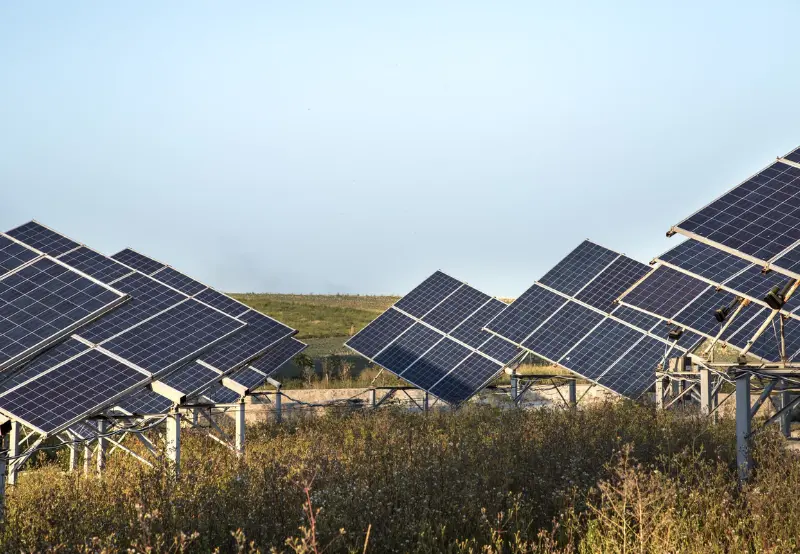
The solar projects span across Maruti’s key production plants, including Gurugram, Manesar, and the upcoming facility in Kharkhoda, Haryana. These locations are now home to an impressive fleet of rooftop and ground-mounted solar panels.
Installed Capacity: Gurugram & Manesar Plants
Out of the 79 MW, Manesar plant contributes 32 MW, while Gurugram stands at 22.3 MW. The company also added 2.8 MW in Kharkhoda, further diversifying its energy profile.
Solar at the Core – Integration into Operations
Rooftop and Ground-Mounted Solar Panels
Maruti Suzuki has taken a smart route by blending rooftop systems with ground-mounted solar farms. This hybrid strategy helps them make the most of available land and building surfaces.
Clean Energy for Daily Production
The solar capacity is now powering everything from car assembly lines to basic lighting needs, reducing dependence on fossil-fuel-driven electricity grids.
Solar Energy and Operational Efficiency
The result? More consistent energy supply, lower bills, and reduced carbon footprints – all while improving operational sustainability.
Numbers that Speak – Environmental and Economic Impact
Annual Power Generation Stats
With this solar infrastructure, Maruti is capable of generating over 120 million units of energy annually. That’s enough to power thousands of Indian homes for an entire year!
Estimated CO2 Reduction
The solar initiative is expected to slash over 101,000 tonnes of CO2 emissions every year – equivalent to planting more than 1 million trees!
Cost Savings in Energy
Apart from environmental perks, the shift is smart economically too. By relying on solar, Maruti is cutting back significantly on electricity costs in the long run.
Green Growth – Maruti’s Broader Sustainability Commitment
Aligning with National Solar Mission
This ambitious project supports the Indian government’s National Solar Mission, which aims to generate 100 GW of solar energy across the country.
Sustainability Beyond Energy
Maruti’s eco-focus isn’t limited to solar power. The brand is also investing in water conservation, waste management, and cleaner production methods.
Electric Mobility & Hybrid Vehicles
With EVs and hybrids on the rise, this solar initiative sets the stage for a greener fleet powered by cleaner grids.
Industry Benchmarking
How Maruti Suzuki Stands Out
Among its peers in the Indian auto industry, Maruti Suzuki now ranks as one of the top manufacturers utilising solar energy at this scale.
Comparison with Other Auto Giants
While companies like Tata Motors and Mahindra have solar projects too, Maruti’s rapid expansion to 79 MW is setting new benchmarks in operational green energy integration.
Looking Ahead – What’s Next in the Solar Roadmap?
Future Expansion Targets
Maruti Suzuki doesn’t plan to stop at 79 MW. Sources hint at further additions to solar capacity, possibly crossing the 100 MW mark in the coming years.
Potential Collaborations and Innovations
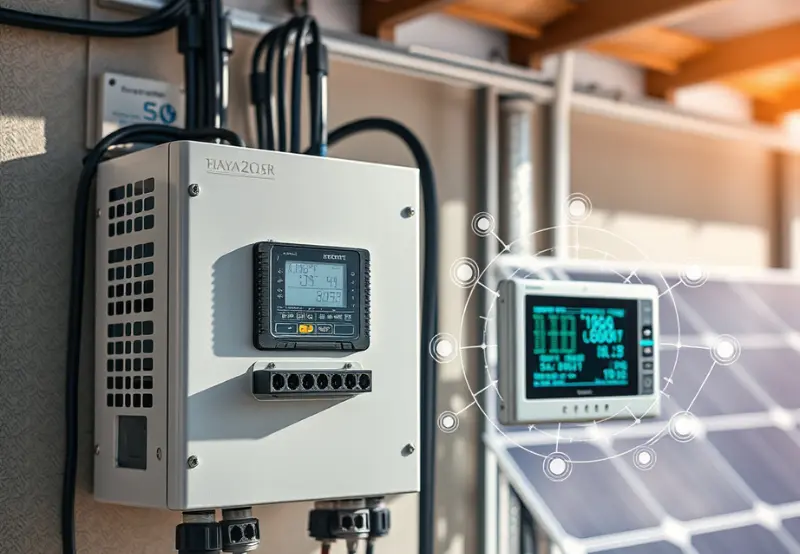
There’s also a possibility of collaborations with tech partners to explore battery storage and AI-powered energy monitoring systems.
Consumer Impact and Brand Perception
Sustainability and Customer Loyalty
Modern customers want brands they can trust. Maruti’s solar drive resonates with eco-conscious buyers who value environmental responsibility.
Role of Conscious Consumerism
The more informed today’s consumer becomes, the more brand value hinges on sustainability. Maruti’s move is right on trend.
Challenges in Solar Adoption
Land Use and Infrastructure Hurdles
Expanding solar capacity, especially in urban or industrial zones, comes with land constraints and regulatory paperwork.
Seasonal and Climatic Dependence
Despite solar’s potential, monsoons and cloudy weather can affect power generation – making energy storage systems crucial.
Government Support and Policy Impact
Solar Subsidies and Regulatory Push
India’s solar dream is backed by generous subsidies, tax benefits, and supportive regulations that industrial players like Maruti can tap into.
Incentives for Industrial Solar Use
The government encourages industries to adopt renewables, offering various rebates and fast-track approvals for clean energy initiatives.
Experts Weigh In – Industry Voices on Maruti’s Move
Green energy experts, economists, and sustainability advocates have praised Maruti for this bold initiative, calling it a “necessary disruption” in auto manufacturing norms.
Driving Towards a Brighter, Cleaner Tomorrow
Maruti Suzuki’s solar leap is more than a technical upgrade; it’s a powerful statement about the future of manufacturing in India. As the company continues to innovate with sustainability in mind, it’s not just creating cars, it’s creating a cleaner planet. By embracing 79 MW of solar capacity, Maruti Suzuki isn’t just fuelling machines. It’s fuelling hope for future generations.