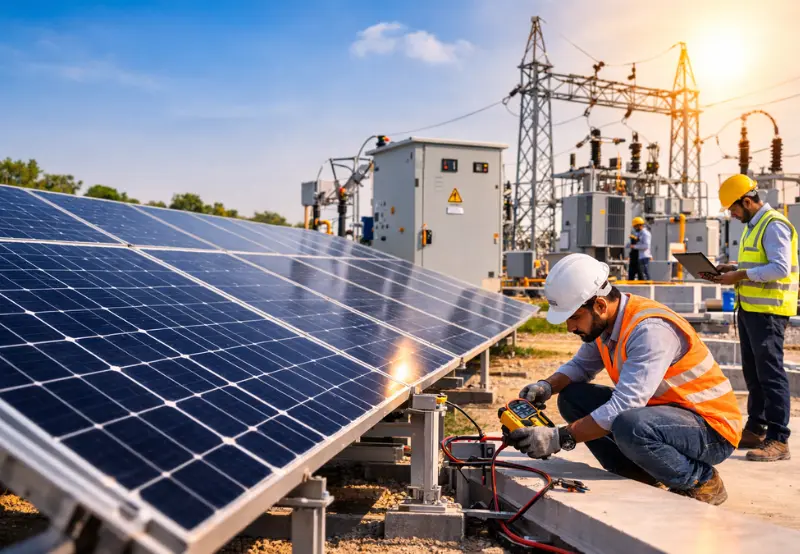
A new energy outlook by DNV projects a dramatic expansion of solar and wind power capacity across the Middle East and North Africa (MENA) region, with total installed capacity expected to grow nearly ten times by 2040. The forecast signals a major shift in a region traditionally dominated by fossil fuels towards cleaner and more sustainable energy sources.
Solar Power to Lead Renewable Expansion
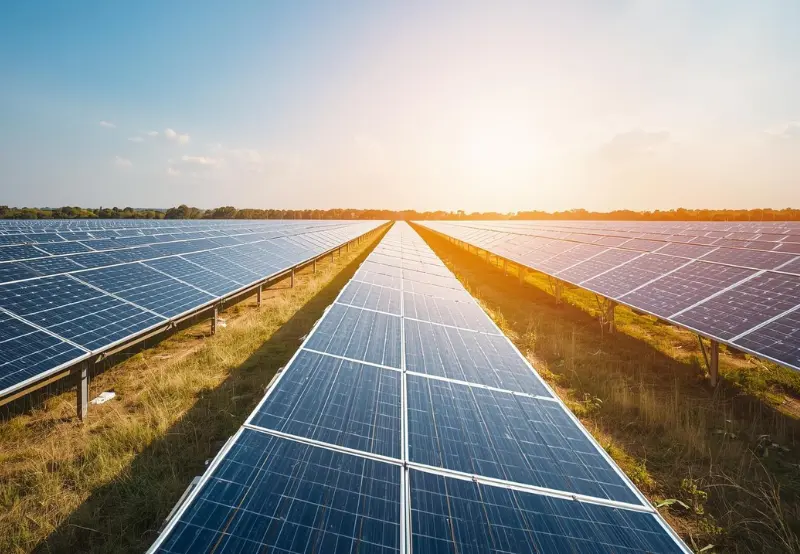
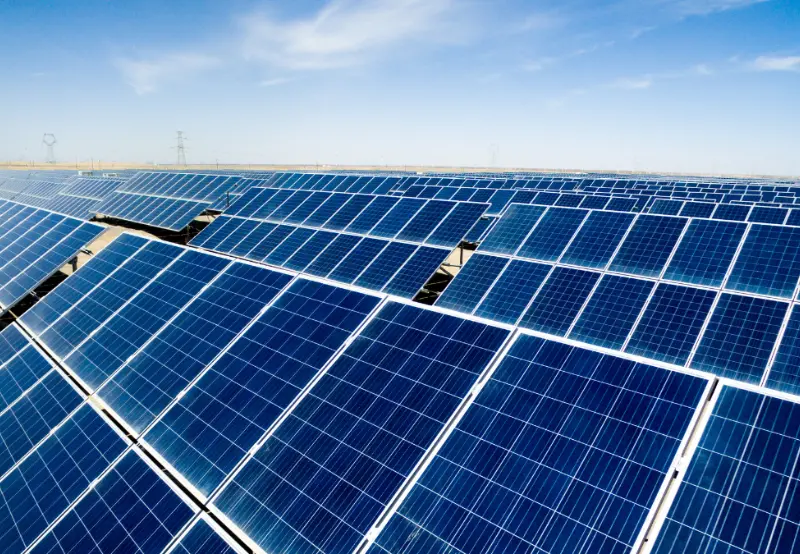
Solar energy is expected to play a dominant role in MENA’s energy transition. The region’s high solar irradiation, availability of land and falling technology costs are driving large-scale solar developments. Utility-scale solar parks and distributed solar installations are projected to expand rapidly, supplying a significant share of future electricity demand.
Wind energy, while currently at a lower base than solar, is also forecast to grow strongly. Coastal areas and inland corridors with favourable wind conditions are expected to see new wind power projects, helping diversify renewable energy generation across the region.
Energy Storage to Strengthen Grid Stability
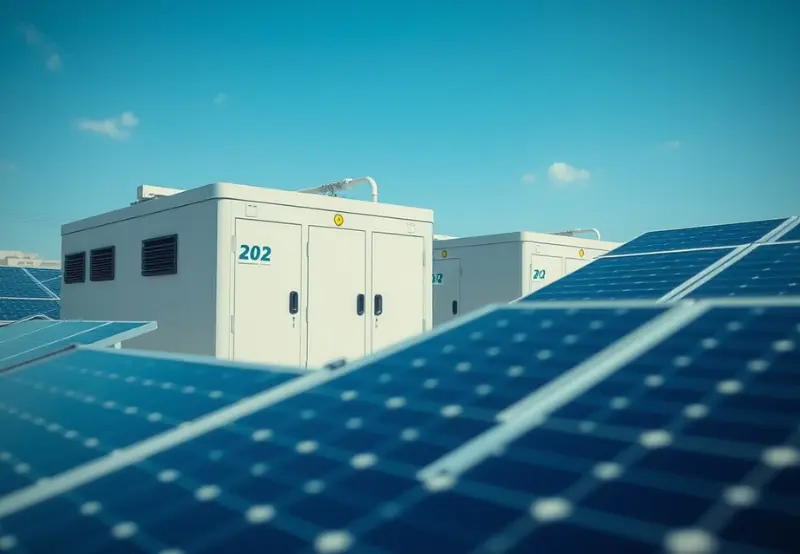
The report highlights energy storage as a critical enabler of renewable growth. As solar and wind penetration increases, battery storage systems will be required to balance supply and demand, manage intermittency and ensure reliable power delivery. Storage capacity is expected to rise sharply alongside renewable installations, supporting a more flexible and resilient electricity grid.
Rising Demand Drives Clean Energy Investment
Electricity demand in the MENA region is set to increase due to population growth, urbanisation and the expansion of energy-intensive sectors such as data centres, electric transport and green hydrogen production. Renewable energy is emerging as the most cost-effective option to meet this rising demand while reducing carbon emissions.
A Strategic Shift in the Energy Landscape
The projected ten-fold growth in solar and wind capacity reflects a broader strategic transformation in MENA’s energy systems. Governments are increasingly prioritising renewable energy to enhance energy security, reduce exposure to fuel price volatility and meet long-term climate goals.
Conclusion
The DNV forecast underscores the scale and speed of the renewable energy transition underway in the Middle East and North Africa. With solar and wind power set to expand rapidly by 2040, supported by energy storage and policy reforms, the region is positioning itself as a significant contributor to the global clean energy transition.