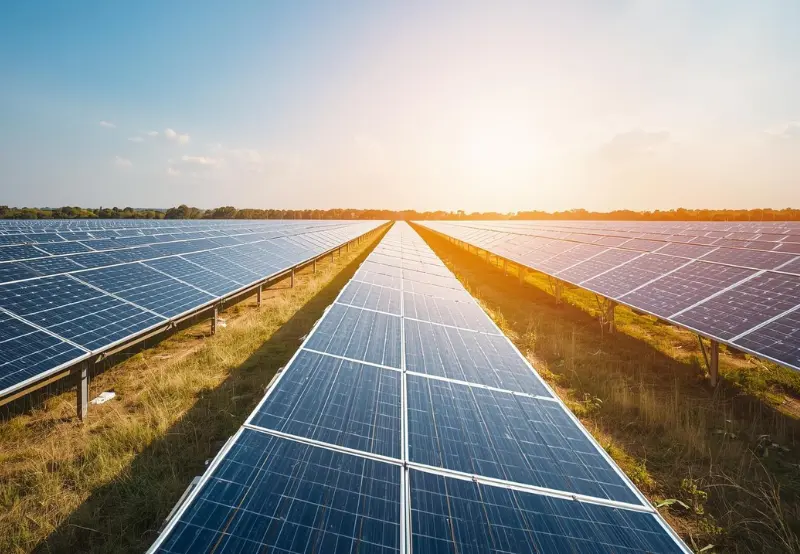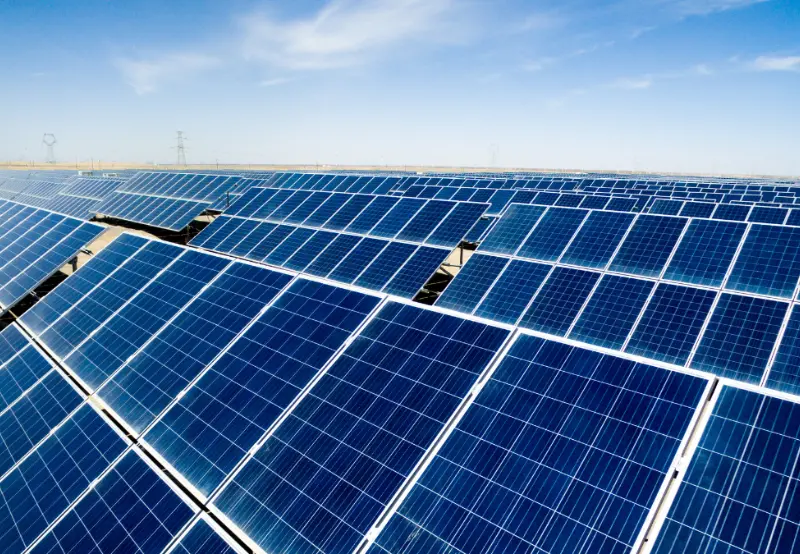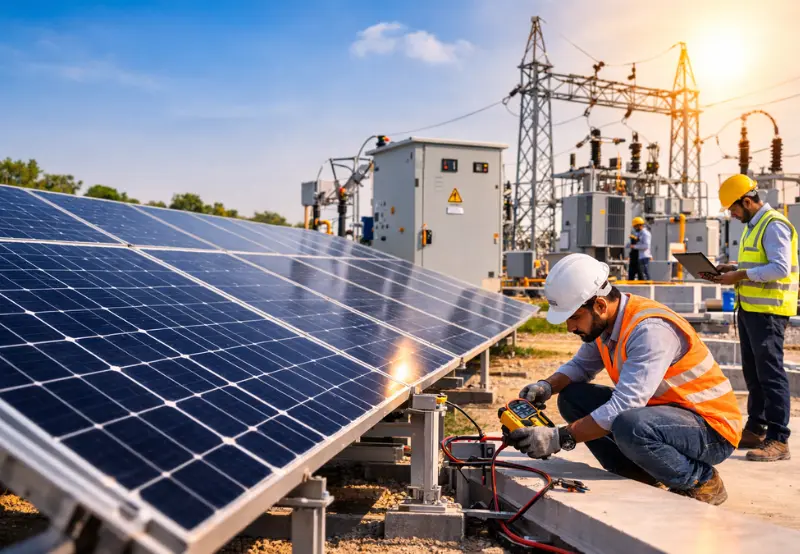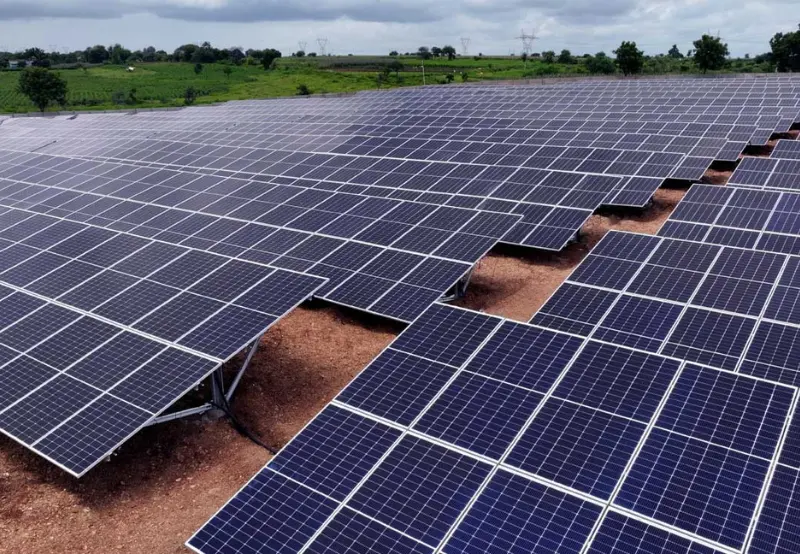

Mindanao 8.4 MW Solar Power Project marks a major leap in South-East Asia’s clean energy journey, reducing fossil fuel reliance and boosting sustainable growth.
Table of Contents
- Introduction
- Mindanao 8.4 MW Solar Power Project: A Regional Milestone
- Why Mindanao is Shifting to Solar Energy
- Technology Behind the Project
- Economic and Social Impact
- How This Project Promotes Energy Security
- Mindanao’s Role in South-East Asia’s Clean Energy Transition
- Challenges Facing Solar Expansion
- The Future of Renewable Energy in the Philippines
- Conclusion
Introduction
The Mindanao 8.4 MW Solar Power Project marks a turning point for South-East Asia’s energy transition. In a region historically reliant on coal and fossil fuels, this development signals a strategic shift towards renewable energy adoption. Businesses in the Philippines’ second-largest island have signed agreements to embrace solar power, setting an example for other energy-intensive and remote areas in the region.
This project is more than a renewable energy installation; it represents economic resilience, energy independence, and climate action in a rapidly industrialising market. The initiative highlights the growing momentum of solar adoption, emphasising that regions like Mindanao can lead in decentralised, sustainable power generation.
Mindanao 8.4 MW Solar Power Project: A Regional Milestone
Mindanao’s solar deal is one of the largest renewable power agreements in this part of the Philippines. The 8.4 MW facility will generate enough clean energy to power thousands of homes and businesses while reducing carbon emissions and dependence on imported fuels.
Key highlights:
- Capacity: 8.4 MW
- Location: Mindanao, Philippines
- Primary Beneficiaries: Local industries, small and medium businesses, and remote communities
- Significance: One of the largest solar projects in a traditionally fossil-fuel-heavy energy market
By focusing on distributed solar solutions, Mindanao is addressing energy access challenges while accelerating its decarbonisation goals.
Why Mindanao is Shifting to Solar Energy
For decades, Mindanao relied heavily on fossil fuels, particularly coal and diesel, making it vulnerable to global oil price fluctuations. Frequent power outages and unstable supply further hindered industrial growth.
Factors driving this shift include:
- Government Policies: The Philippines has committed to achieving 35% renewable energy by 2030.
- Climate Concerns: Mindanao is increasingly vulnerable to typhoons and rising sea levels, making clean energy crucial for resilience.
- Economic Growth: As industries expand, reliable, cost-effective solar solutions are becoming a necessity.
Technology Behind the Project
The Mindanao 8.4 MW Solar Power Project leverages advanced solar technology:
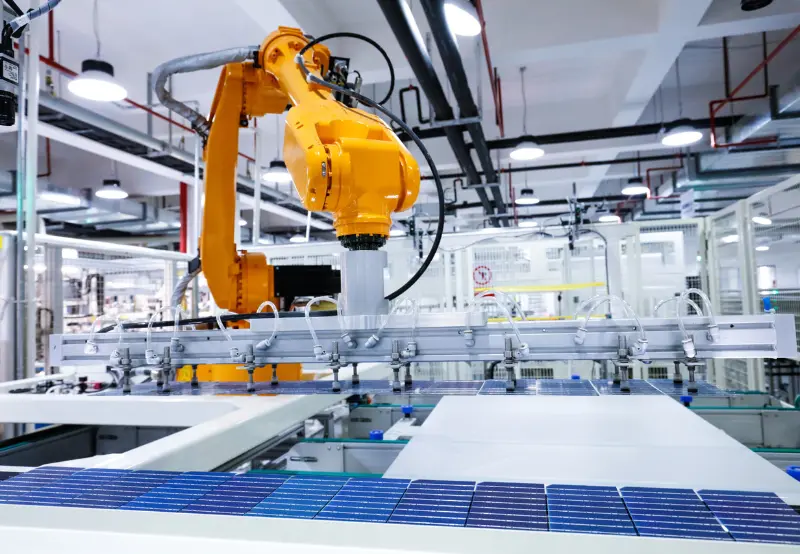
- High-Efficiency Solar Panels: Designed for tropical climates, with anti-reflective coatings to maximise sunlight absorption.
- Smart Inverters: Help stabilise the local grid, ensuring seamless power delivery even in remote areas.
- Energy Management Systems (EMS): Allow businesses to monitor consumption in real-time, reducing energy waste.
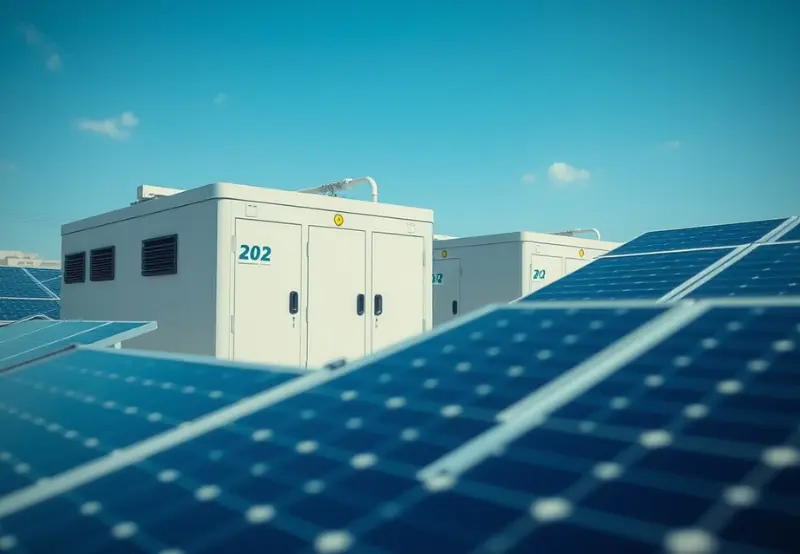
- Future Battery Storage Integration: Plans include energy storage to provide 24/7 clean energy supply.
This combination makes the project a blueprint for sustainable energy infrastructure across South-East Asia.
Economic and Social Impact
The economic benefits of this project are substantial:
- Lower Energy Costs: Solar-generated electricity is cheaper than imported fossil fuel energy.
- Job Creation: Installation and maintenance have created employment opportunities for local workers.
- SME Growth: Affordable energy encourages small businesses to expand, driving regional economic growth.
- Foreign Investment: Projects like these attract investors looking to support the Philippines’ renewable market.
Socially, the project contributes to energy equity by reducing power disparities between rural and urban communities.
How This Project Promotes Energy Security
Energy security is a pressing concern for the Philippines, an archipelago highly dependent on fuel imports. By diversifying its energy sources, Mindanao strengthens its:
- Energy Independence: Solar reduces reliance on foreign oil.
- Grid Reliability: Decentralised solar power mitigates grid instability.
- Resilience to Natural Disasters: Localised renewable systems recover faster post-disaster than centralised fossil networks.
Mindanao’s Role in South-East Asia’s Clean Energy Transition
Mindanao is setting a precedent for other South-East Asian regions. Countries like Vietnam, Thailand, and Malaysia are rapidly expanding their solar portfolios, but this project shows that smaller, targeted installations can be equally impactful.
South-East Asia faces growing electricity demand, with the ASEAN Centre for Energy projecting a 60% increase in demand by 2040. By adopting renewable solutions early, Mindanao ensures sustainable growth and regional leadership in clean energy.
Challenges Facing Solar Expansion
Despite these achievements, challenges remain:
- Financing: Renewable projects require significant upfront investment.
- Grid Infrastructure: Many remote areas need upgraded grids to integrate solar effectively.
- Weather Variability: Solar’s reliance on weather patterns requires complementary solutions like battery storage.
- Policy Continuity: Long-term success depends on consistent government incentives and support.
The Future of Renewable Energy in the Philippines
The Mindanao 8.4 MW Solar Power Project is part of a larger renewable energy strategy. The Philippines aims to become a regional renewable hub, with:
- 35% renewable energy share by 2030
- 50% renewable energy share by 2040
- Expansion of solar farms, offshore wind projects, and battery storage
Mindanao is expected to become a testbed for hybrid solar-battery projects, showcasing how decentralised clean energy can drive energy resilience.
Conclusion
The Mindanao 8.4 MW Solar Power Project is a game-changer for the Philippines and South-East Asia’s renewable energy transition. It proves that even historically fossil fuel-dependent regions can embrace innovation and sustainability.
With advanced technology, economic benefits, and government support, this project sets a benchmark for other developing regions to follow. As South-East Asia’s energy demands continue to grow, initiatives like these provide a sustainable pathway to a greener future.
Mindanao is not just adopting solar energy; it is redefining what energy independence and resilience mean in the 21st century.
Read More:https://ecodigest.in/uk-solar-generation-hits-record-high/