
India’s premier public policy think-tank, NITI Aayog, has released a comprehensive outlook on the nation’s long-term energy transformation with a focus on renewables and net-zero emissions goals through 2070. The report presents a roadmap for scaling up clean energy, integrating renewables at a massive scale and reimagining power systems for a low-carbon future.
Renewables Taking Centre Stage
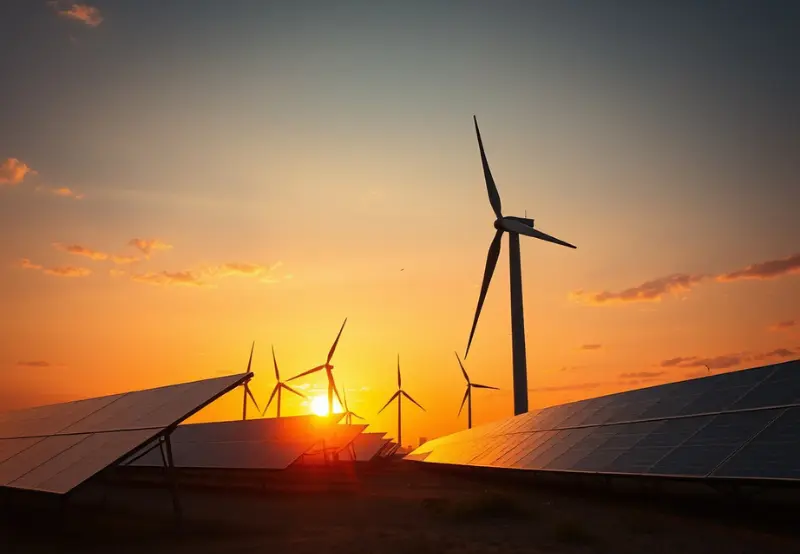
According to the projections, India’s electricity generation mix is expected to shift dramatically over the coming decades. Under a long-term planning scenario, renewable energy could grow from around 20 per cent share of electricity output in the mid-2020s to over 80 per cent by 2070. This shift positions solar and wind power as dominant sources of clean electricity, supported by significant expansion in energy storage and grid integration technologies.
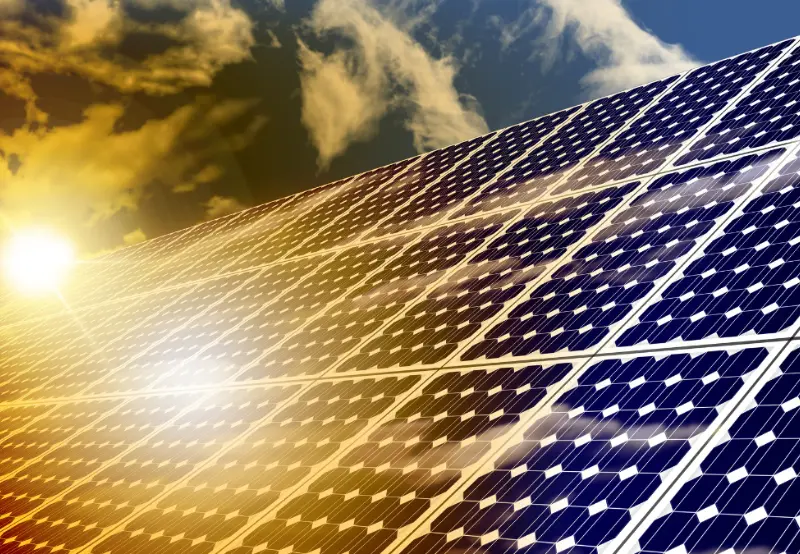
Solar power is projected to play a central role in this transition, becoming the backbone of India’s clean energy system. Under ambitious scenarios, utility-scale solar capacity could reach thousands of gigawatts by 2070, while wind and other variable renewables also expand significantly. This expanded capacity not only supports climate goals but also strengthens energy security by reducing reliance on imported fossil fuels.
Energy Storage and Grid Flexibility
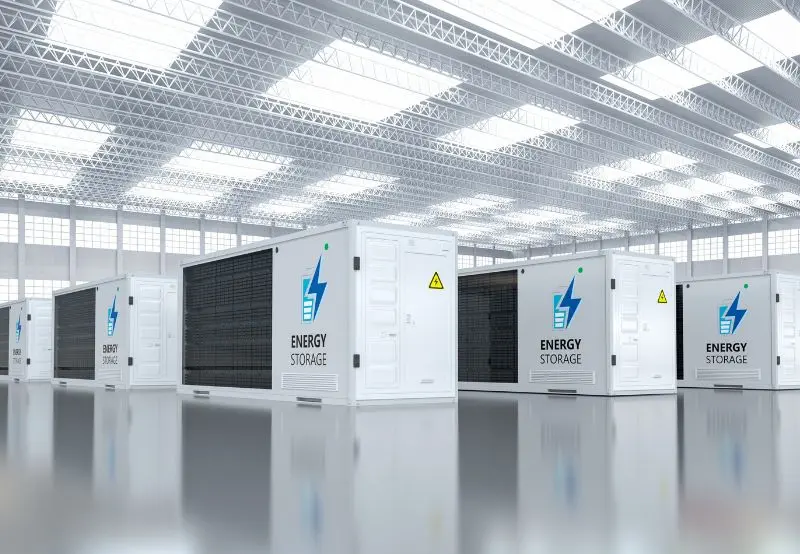
NITI Aayog’s assessment highlights the critical importance of energy storage systems, such as battery energy storage and pumped hydro, to balance variable renewable generation with demand. While solar and wind produce clean power, their output fluctuates with weather and time of day. Adequate storage infrastructure helps in storing excess generation and dispatching it when needed, ensuring stable and reliable electricity supply even as renewables dominate generation.
Battery storage capacity is expected to grow from modest current levels to multiple gigawatts by 2070, supporting both grid stability and higher renewable penetration. This expansion will be essential to manage variability and integrate clean power seamlessly into daily use.
Investment Needs for Clean Power Goals
Achieving this renewable-dominated energy mix will require massive investment. NITI Aayog’s scenarios indicate that overall funding needs for the power sector’s transition to net-zero could amount to trillions of dollars by 2070. Much of this investment will be needed in renewables, storage infrastructure, grid modernisation and new technology deployment.
Under a net-zero pathway, non-fossil fuel generation could account for nearly all electricity supply by 2070, with solar and wind forming the largest share. Such a transformation not only helps cut greenhouse gas emissions but also supports economic growth, electrification of transport and industry, and broader energy access.
Balancing Coal and Clean Energy Transition
While renewables are set to dominate, the strategy acknowledges that coal will continue to play a role in India’s power mix during the transition period. Current infrastructure and grid stability requirements mean that coal production and use may persist for decades, especially to support peak loads and ensure reliable supply as renewables ramp up. However, its share is projected to decline sharply as clean energy capacity grows and energy storage technologies mature.
In long-term projections, coal’s contribution to electricity is anticipated to drop significantly by 2070, with most remaining use limited to hard-to-decarbonise industrial sectors.
Towards Net Zero by 2070
NITI Aayog’s outlook aligns with India’s official climate commitments and the goal of achieving net-zero emissions by 2070. This requires not just renewable generation capacity additions but a systemic shift in how energy is produced, distributed and consumed. By focusing on large-scale renewables, energy storage, grid integration and investment mobilisation, India is building a pathway toward a cleaner and more resilient energy future.