
Odisha EV Policy 2.0 targets 50% electric vehicle registrations by 2036 with incentives, charging infrastructure, and manufacturing support for a greener future.
📑 Table of Contents
- Introduction: Odisha’s Bold Push for EV Leadership
- Odisha EV Policy 2.0 Overview
- 50% EV Registration Target by 2036
- Charging Infrastructure Across Odisha
- Incentives and Subsidies
- Economic and Environmental Benefits
- Challenges Odisha Faces
- Lessons from Global EV Leaders
- Vision 2036: A Greener Odisha
- Conclusion
Introduction: Odisha’s Bold Push for EV Leadership
Odisha has taken a landmark step in India’s clean mobility revolution with the announcement of Odisha EV Policy 2.0. This forward-thinking policy aims for 50% of all new vehicle registrations in the state to be electric by 2036. By setting this ambitious target, Odisha demonstrates its commitment to environmental sustainability, reducing carbon emissions, and fostering innovation in green technology.
The new policy builds on Odisha’s 2021 EV policy, integrating lessons learned over the last few years. It is designed to accelerate EV adoption, support domestic manufacturing, and create robust charging networks, positioning Odisha as a national leader in electric mobility.
Odisha EV Policy 2.0 Overview
Odisha’s EV Policy 2.0 focuses on a multi-pronged approach to electrifying transport. The plan includes:
- 50% EV registrations in new vehicles by 2036
- Financial subsidies for buyers and manufacturers
- A dense public charging network covering all districts
- Battery recycling and R&D support
- Electrification of public transport fleets and commercial vehicles
Odisha’s proactive policy planning is timely, as India transitions to electric mobility on a national scale.
50% EV Registration Target by 2036
Unlike most states aiming for 2030, Odisha’s target year is 2036, giving the region time to scale infrastructure while ensuring affordability for consumers. By then, Odisha plans to electrify:
- 80% of two- and three-wheelers
- 50% of cars and private vehicles
- 40% of buses
- 70% of commercial fleets and goods carriers
This gradual but steady approach reflects Odisha’s balanced strategy, factoring in both environmental urgency and economic feasibility.
⚡ Charging Infrastructure Across Odisha
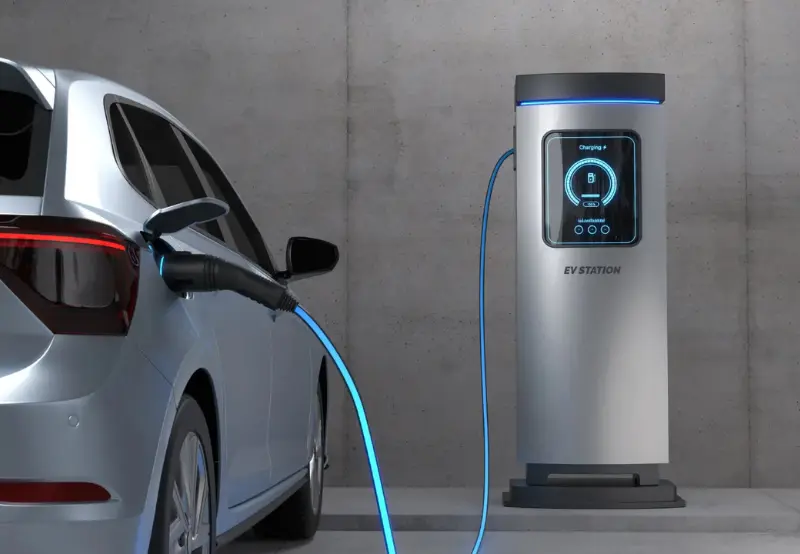
A robust charging network is at the core of Odisha’s EV strategy. The government has already deployed over 550 charging stations across key urban and semi-urban locations. EV Policy 2.0 plans to scale this network further:
- Urban Charging Stations: Every 3 km in Bhubaneswar, Cuttack, and other major cities.
- Highway Charging Corridors: Stations every 25 km on NH16 and other major highways.
- Battery Swapping Stations: To support rapid turnaround for e-rickshaws and delivery vehicles.
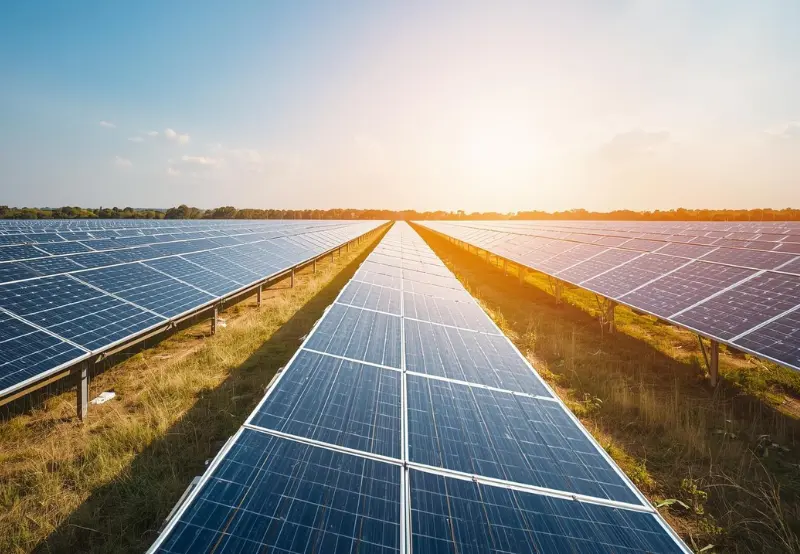
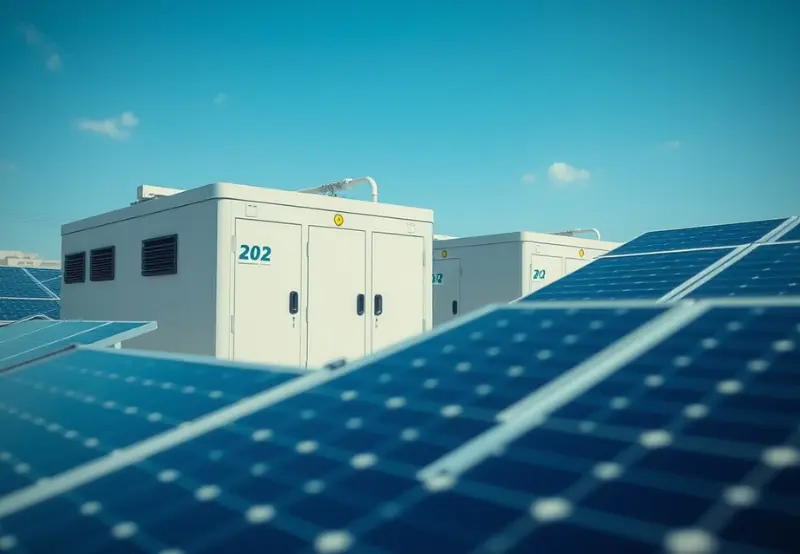
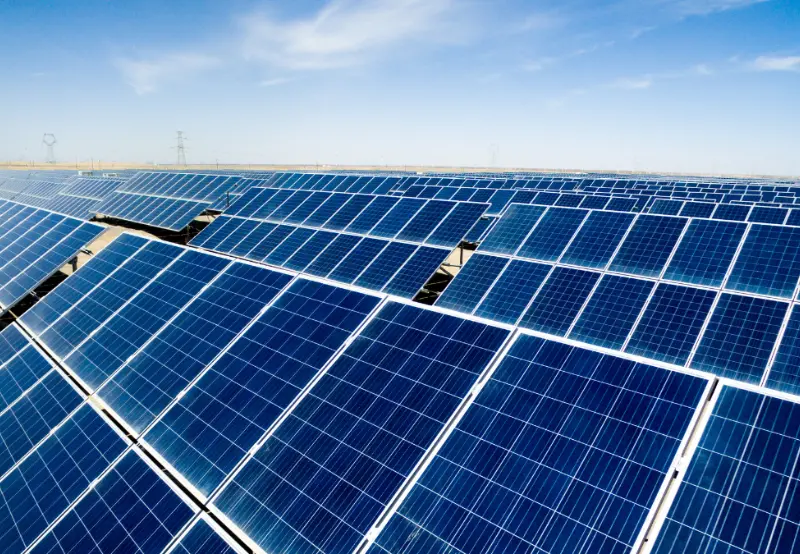
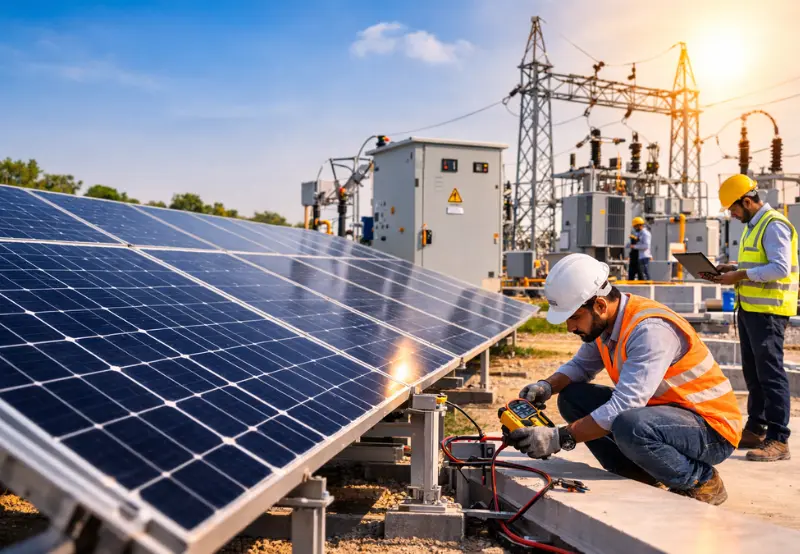
- Solar-Integrated Charging: Odisha aims to use renewable energy to power charging hubs, reducing grid stress and promoting clean energy.
This infrastructure rollout is expected to create thousands of jobs and attract private investment.
💰 Incentives and Subsidies
Odisha EV Policy 2.0 offers a comprehensive incentive structure to encourage EV adoption:
For Consumers:
- Purchase Subsidies: Significant discounts on electric two-wheelers, three-wheelers, and cars.
- Tax Benefits: 100% exemption on road tax and registration fees for EVs.
- Scrappage Policy: Financial incentives for scrapping old petrol and diesel vehicles.
For Industry:
- Capital Support: Subsidies for setting up EV manufacturing plants and charging networks.
- Battery Recycling Grants: Funding to build Odisha-based recycling and repurposing plants.
- Startup Support: Grants for innovators working on EV and clean tech solutions.
🌱 Economic and Environmental Benefits
Odisha EV Policy 2.0 is about more than just electric cars—it’s a blueprint for economic and environmental growth:
- Air Quality Improvement: Reducing petrol and diesel vehicles will cut CO2 and PM2.5 emissions, benefiting public health.
- Energy Security: Odisha will reduce dependence on imported fuels, improving the state’s economy.
- Green Jobs: The EV ecosystem is projected to create thousands of direct and indirect jobs in manufacturing, infrastructure, and services.
- Technology Leadership: Odisha is investing in battery R&D, making it a hub for innovation in Eastern India.
Challenges Odisha Faces
Despite the policy’s bold vision, Odisha faces unique challenges:
- Infrastructure Gaps: Rural areas lack sufficient charging stations.
- High Upfront Costs: EVs remain expensive compared to ICE vehicles.
- Battery Waste Management: Without proper recycling, discarded batteries could pose environmental risks.
- Awareness Campaigns: Odisha must invest in public outreach to build trust in EV technology.
The government’s solution is PPP (Public-Private Partnerships) and targeted subsidies to ensure equitable access.
Lessons from Global EV Leaders
Odisha’s strategy is influenced by global EV leaders:
- Norway: Over 80% of new car sales are electric thanks to comprehensive incentives and easy charging access.
- China: Aggressive state-backed investment has made it the world’s EV leader.
- California, USA: Incentives paired with regulatory policies have boosted EV demand.
By localising these strategies, Odisha aims to become a pioneer in Eastern India’s EV growth story.
Vision 2036: A Greener Odisha
By 2036, Odisha envisions:
- Half of all new vehicles being fully electric
- Electrified public bus fleets, taxis, and freight services
- Renewable-powered charging corridors
- Becoming an EV manufacturing and R&D hub for Eastern India
This is not just a policy—it’s a transformational roadmap that will modernise Odisha’s transport ecosystem.
Conclusion
The Odisha EV Policy 2.0 signals a bold shift in the state’s approach to sustainability. By aiming for 50% electric vehicle registrations by 2036, Odisha is setting an example for other states, demonstrating how forward-thinking policies can balance environmental goals with economic growth.
If executed effectively, this policy will create jobs, attract global investors, and make Odisha a clean mobility leader in India.
Read : Volkswagen Eyes India for Affordable EVs: 7 Bold Moves to Dominate Emerging Markets