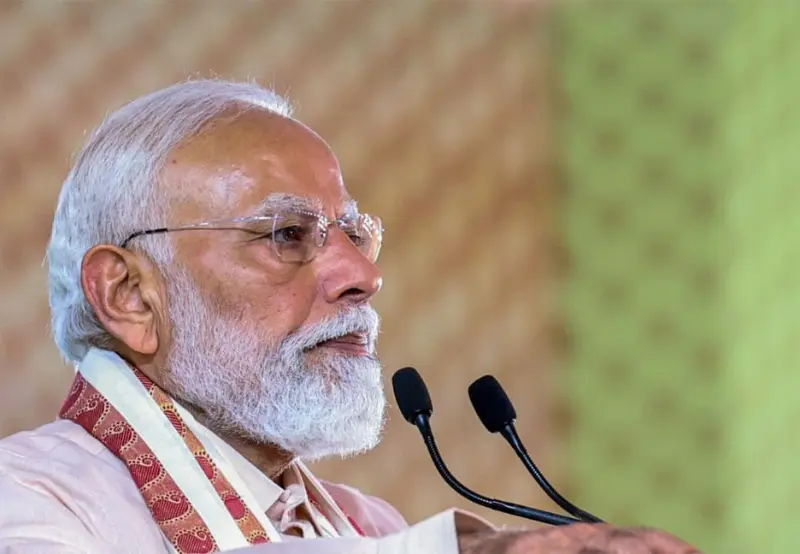

Prime Minister Narendra Modi has shared an article outlining India’s rapid transformation in the energy sector, highlighting the country’s strong push towards self-reliance and clean energy growth.
Focus on Self-Reliant Energy Growth
The article, authored by Shripad Yesso Naik, emphasises that India’s energy transition is being driven by pragmatic policies and a clear focus on ‘Aatmanirbharta’ (self-reliance).
Sharing the piece on social media, the Prime Minister noted that India is shaping a new global energy narrative through a combination of electrification, renewable energy expansion, and domestic manufacturing.
Rapid Expansion of Clean Energy
India has made significant progress in expanding its energy capacity over the past decade. The country’s total installed power capacity has more than doubled since 2014, while the share of non-fossil fuel energy has crossed 50% of total capacity.
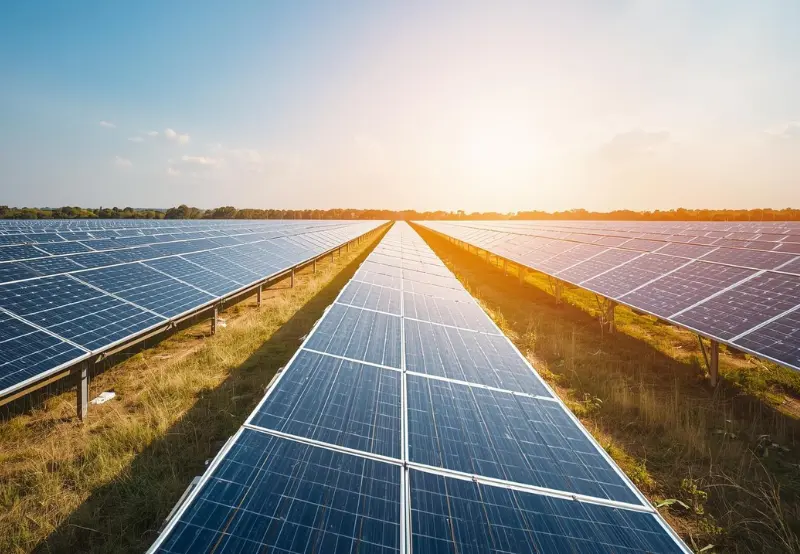
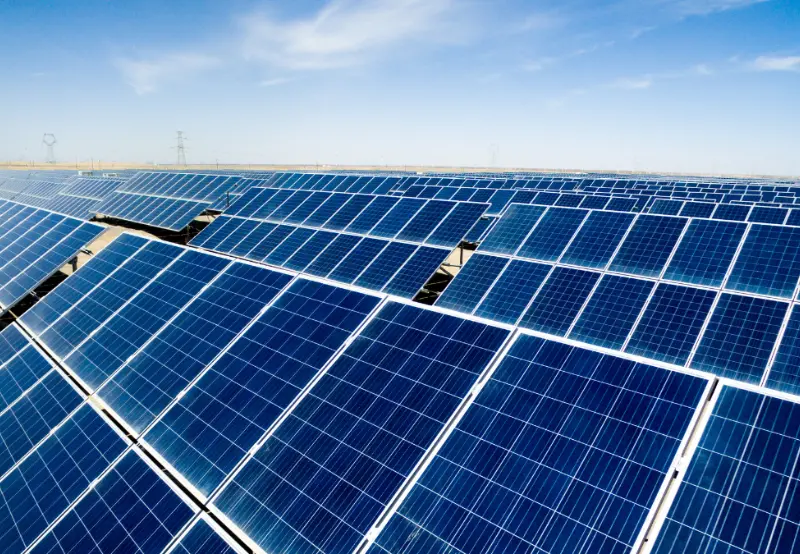
The article also highlights that India added a record 47.3 GW of non-fossil capacity in 2025–26, showcasing the rapid pace of clean energy growth. Solar energy, in particular, has seen remarkable expansion, rising from just a few gigawatts in 2014 to over 140 GW by early 2026.
Reducing Dependence on Fossil Fuel Imports
A key theme in the article is the need to reduce reliance on imported fossil fuels, especially amid global geopolitical uncertainties. The government is promoting electrification across sectors, including transport and industry, to enhance energy security.
India is also targeting 30% electric vehicle adoption by 2030, which is expected to significantly reduce oil imports and support sustainable mobility.
Boost to Domestic Manufacturing
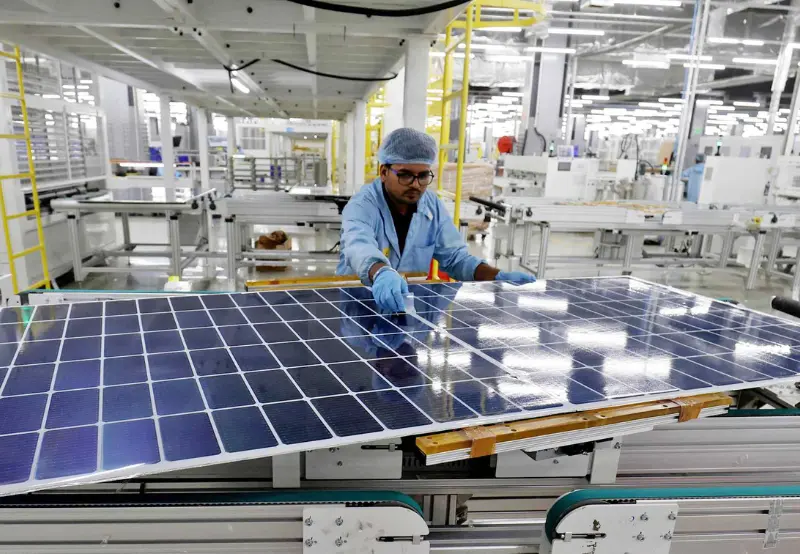
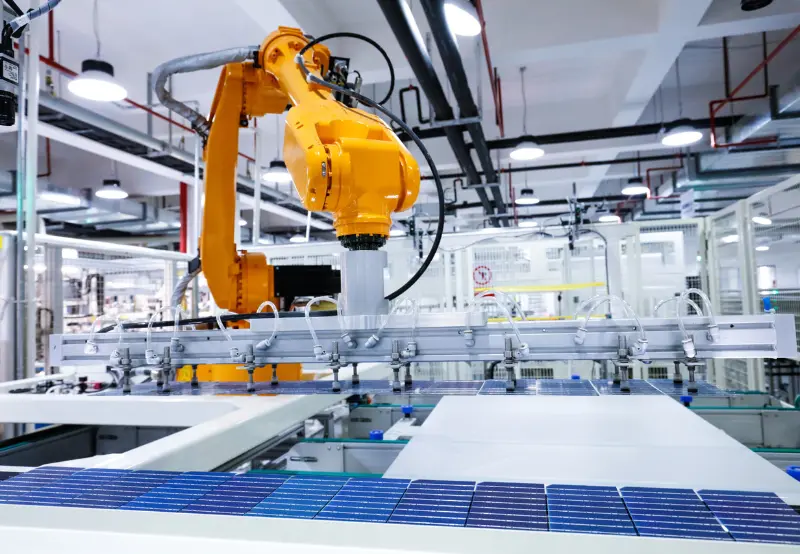
The push for self-reliance includes strengthening domestic manufacturing in the renewable sector. Initiatives such as the Approved List of Models and Manufacturers (ALMM) are helping expand local production of solar modules and cells.
This aligns with the broader vision of Atmanirbhar Bharat, which focuses on building strong domestic capabilities across key sectors, including energy.
Key Government Initiatives
The article also highlights several major initiatives supporting India’s clean energy transition, such as:
- Rooftop solar programmes
- Solar pumps for farmers
- The National Green Hydrogen Mission, targeting 5 million metric tonnes of green hydrogen production by 2030
These programmes aim to expand clean energy access while supporting rural development and industrial growth.
Future Focus: Grid and Market Reforms
Looking ahead, the focus is shifting beyond capacity addition to strengthening grid infrastructure and improving efficiency. Reforms such as dynamic pricing and innovative energy trading mechanisms are expected to attract investment and optimise power distribution.
Conclusion
India’s energy transition is emerging as a global model of sustainable growth, combining clean energy expansion with a strong push for self-reliance. The article shared by the Prime Minister highlights how policy, innovation, and domestic manufacturing are working together to build a resilient and future-ready energy ecosystem.