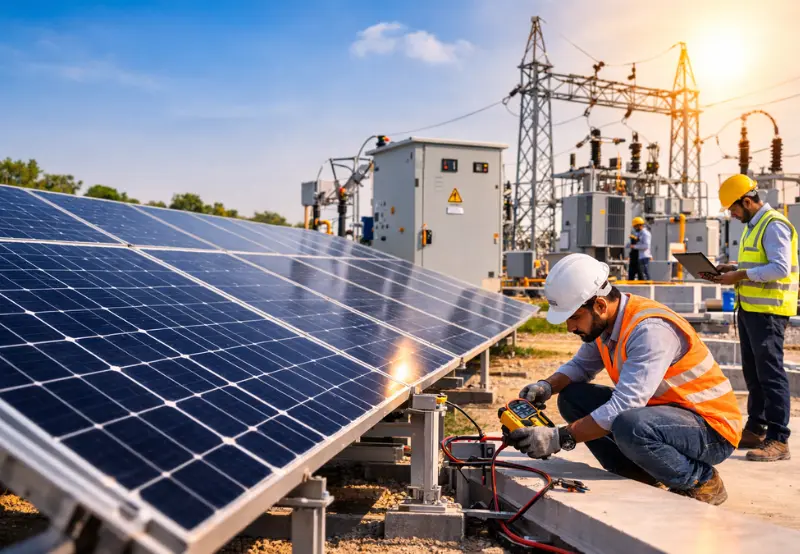
Explore how Delhi’s PM Surya Ghar Muft Bijli Yojana is transforming rooftop solar adoption, cutting bills, and promoting clean energy, at zero upfront cost.
Table of Contents
- Introduction
- 1. What is the PM Surya Ghar Muft Bijli Yojana?
- 2. No Upfront Cost: A Zero-Investment Revolution
- 3. How the RESCO Model Works
- 4. Environmental Impact and Carbon Footprint
- 5. Benefits for Domestic & Commercial Users
- 6. Solar Capacity Targets & National Integration
- 7. Delhi’s Green Energy Vision
- A Brighter, Greener Capital
Introduction
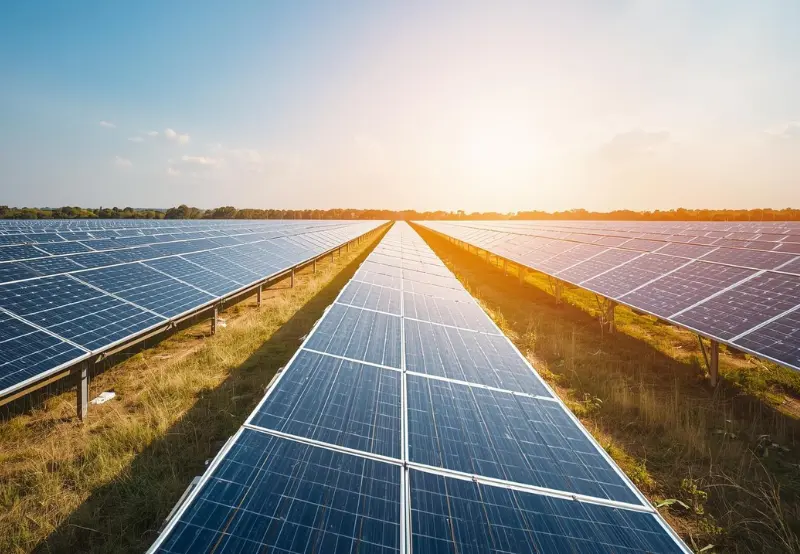
The PM Surya Ghar Muft Bijli Yojana is Delhi’s bold step toward clean energy empowerment. Launched recently by the Delhi Chief Minister, this ambitious initiative provides free rooftop solar panel installations for both domestic and commercial users. By leveraging the RESCO (Renewable Energy Service Company) model, the scheme eliminates financial barriers and promises a cleaner, low-cost energy future for the capital.
1. What is the PM Surya Ghar Muft Bijli Yojana?
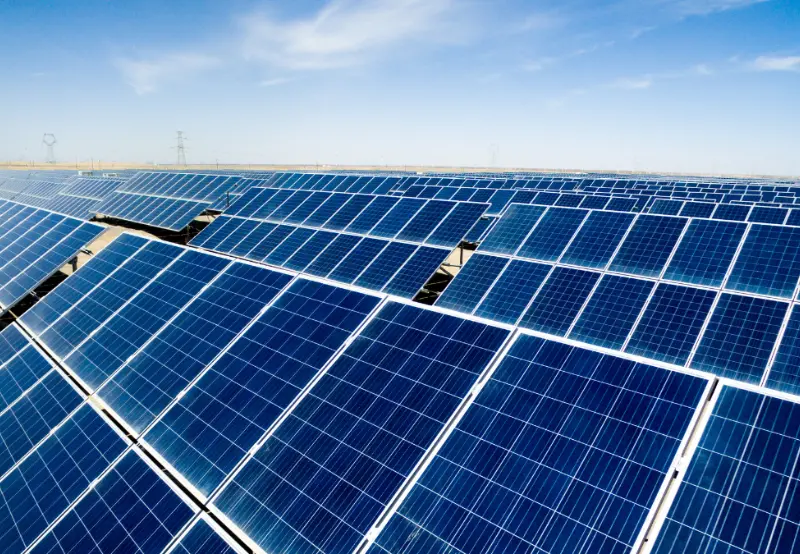
The PM Surya Ghar Muft Bijli Yojana is a Central Government programme aimed at mass adoption of rooftop solar systems, ensuring citizens receive up to 300 units of free electricity every month.
Delhi’s implementation of the scheme is unique and ambitious. It is being operationalised by local DISCOMs (distribution companies), who will conduct tenders and select developers. These developers will install, operate, and maintain rooftop solar systems at no upfront cost to the end user.
2. No Upfront Cost: A Zero-Investment Revolution
One of the biggest obstacles for solar adoption in India has been high installation costs. But this scheme removes that concern entirely. Under the RESCO model:
- Users pay nothing up front
- Solar developers recover costs by selling excess power to DISCOMs
- Users enjoy free solar energy and slashed electricity bills
It’s a win-win solution that democratizes solar access even for lower-income households.
3. How the RESCO Model Works
The RESCO model is a financing mechanism where a private energy company installs and owns the solar system on a user’s rooftop. The user, in turn, benefits from:
- Free electricity up to a specific limit (e.g., 300 units/month)
- Maintenance-free setup
- No need for technical expertise
- Optional upgrades in future years
DISCOMs act as the intermediaries, ensuring transparency and reliable performance. For Delhi, this model allows large-scale solar rollout without overburdening public funds.
4. Environmental Impact and Carbon Footprint
Delhi has consistently battled high pollution levels. This scheme could become a game changer for air quality and sustainability:
- A single 1 kW rooftop solar system reduces 1.5 tonnes of CO₂ annually
- Mass installations can offset thousands of tonnes of carbon every year
- Decreased dependence on coal-based power will lower grid emissions
This aligns with Delhi’s broader goals of climate resilience and a greener urban ecosystem.
5. Benefits for Domestic & Commercial Users
While the scheme is widely publicised for households, commercial establishments too stand to gain:
- Lower operational costs for small shops, hostels, coaching centres, and more
- Increased value of green-certified buildings
- Reduced peak-load tariffs for business hours
Homeowners will see their bills drop, while commercial users will see better energy ROI all while contributing to Delhi’s green mission.
6. Solar Capacity Targets & National Integration
The PM Surya Ghar Muft Bijli Yojana is not an isolated state scheme. It contributes directly to India’s national mission of installing 40 GW of rooftop solar capacity under the Renewable Energy Ministry.
As of 2025:
- India has installed ~11.08 GW of rooftop solar
- Delhi’s target: Achieve over 2 GW by 2027
- This initiative alone is expected to add 250–500 MW in the next two years
The Delhi model, if replicated nationwide, could boost India’s clean energy share dramatically.
7. Delhi’s Green Energy Vision
The Delhi government has already introduced Electric Vehicle (EV) policies, green budgeting, and waste-to-energy initiatives. The Surya Ghar scheme fits perfectly into this broader vision:
- Incentivising private participation through hassle-free tenders
- Empowering citizens to become producers of power (prosumers)
- Accelerating the city’s shift toward grid-independent smart energy
With this solar initiative, Delhi moves a step closer to becoming India’s greenest capital.
8. A Brighter, Greener Capital
The PM Surya Ghar Muft Bijli Yojana is not just a subsidy programme, it’s a transformative policy tool with the power to reshape Delhi’s energy landscape. With free installation, no maintenance burden, cleaner power, and huge savings, it’s a template for other cities.
As Delhi leads by example, the rest of India watches. Because the sun shines for everyone and now, so does the power.