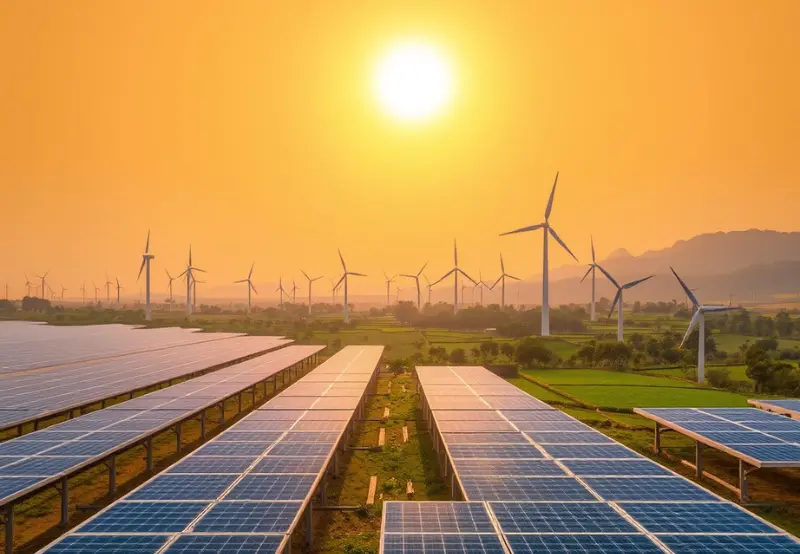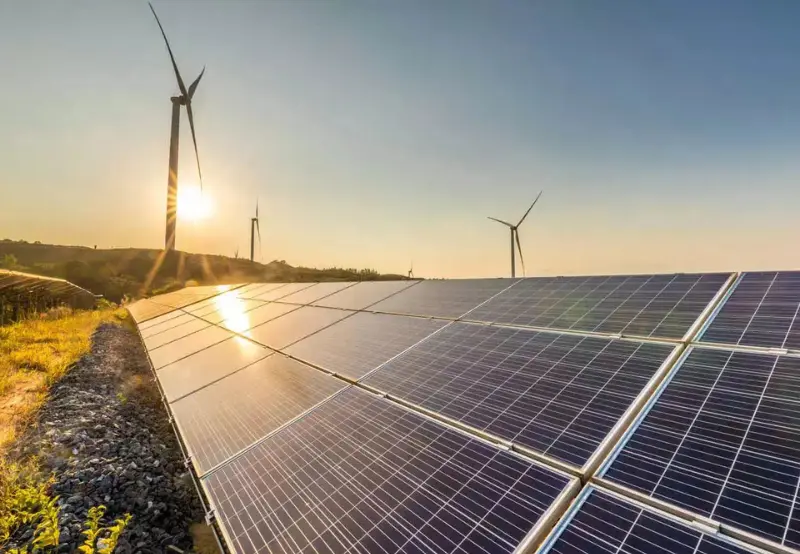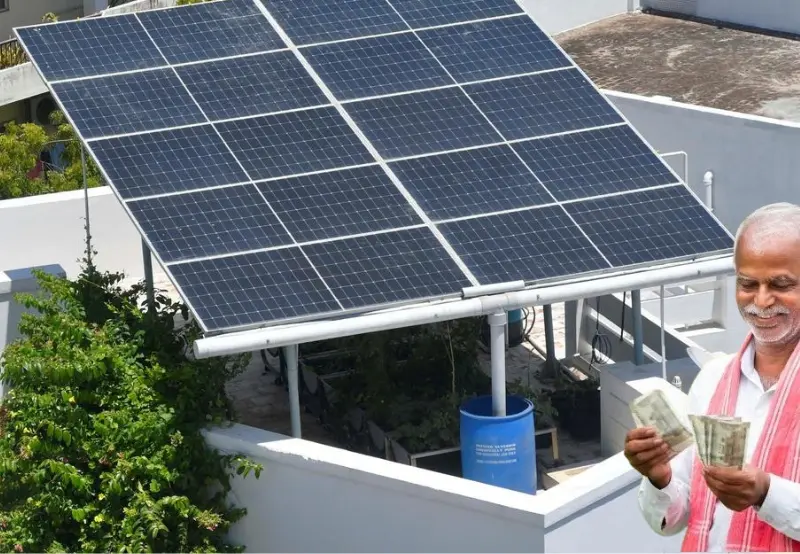

The landscape of Indian energy is undergoing a massive transformation. What was once a luxury for the eco-conscious has now become a mainstream financial strategy for the average Indian household. At the heart of this shift is the PM Surya Ghar: Muft Bijli Yojana, a government initiative that has redefined rooftop solar adoption across the country.
In a recent conversation with The Economic Times, Shreya Mishra, CEO and Co-founder of SolarSquare, highlighted how this scheme has catalyzed a staggering 250% surge in residential solar adoption over the last 24 months.
Here’s a deep dive into how the scheme is changing the game and what the future holds for solar energy in India.
1. Breaking the Adoption Barrier: 2.8 Million Homes and Counting
Since its inception, the PM Surya Ghar Yojana has successfully solarized over 2.8 million households. By providing subsidies of up to 40% (exceeding ₹16,000 crore in total disbursement so far), the government has effectively lowered the “upfront cost” hurdle that previously deterred homeowners.
According to Mishra, SolarSquare alone has facilitated over ₹200 crore in subsidies, becoming the first company to hit the 100 MW installation milestone under this scheme.
2. Digitization: The “One Nation, One Portal” Success
One of the most significant achievements of the program is the National Solar Portal. India has set a global benchmark by creating a unified, digital system for solar permits.
While developed nations like the US and Germany often deal with fragmented, state-level regulations, India’s “One Nation, One Portal” system offers:
- Transparency: Real-time tracking of applications and approvals.
- Speed: Faster subsidy processing.
- Trust: Standardized procedures that reduce consumer uncertainty.
3. Financial Impact: Slashing Electricity Bills by 90%
The promise of “Muft Bijli” (Free Electricity) isn’t just a slogan; it’s a reality for many. Households using SolarSquare’s rooftop solutions under this scheme have reported a reduction in monthly electricity bills by up to 90%.
For middle-class families in India, this isn’t just about sustainability—it’s about long-term financial freedom and protection against rising energy costs.
4. The Rise of Tier-II and Tier-III Cities
The solar revolution is no longer restricted to Tier-I metros like Delhi or Mumbai. The data shows a massive shift toward smaller cities. Places like Nagpur, Bhopal, Jabalpur, and Gwalior are emerging as key hubs for residential solar.
This trend indicates that solar energy is becoming a “household name” in the heartlands of Uttar Pradesh, Maharashtra, Gujarat, and Rajasthan, signaling a truly national clean energy transition.
5. The Road Ahead: Financing and Batteries
Despite the 250% growth, rooftop solar penetration is still below 3% of India’s 260 million electrified homes. To reach the next milestone, Shreya Mishra points out two critical areas for improvement:
- Seamless Financing: While solar loans are now under “priority sector lending,” the process is often offline and slow. Digitizing solar loans to make them as easy as getting a car loan is the next big step.
- Hybrid Systems: As the grid evolves, the focus will eventually shift from simple solar panels to Solar + Battery (Hybrid) systems. These will provide 24/7 energy independence and greater grid stability.
Conclusion
The PM Surya Ghar Yojana has laid a rock-solid foundation for India’s green future. With 2.5 million homes already on board and a target of 10 million, the momentum is undeniable. For homeowners, there has never been a better time to switch to the sun—for the planet, and for the pocket.