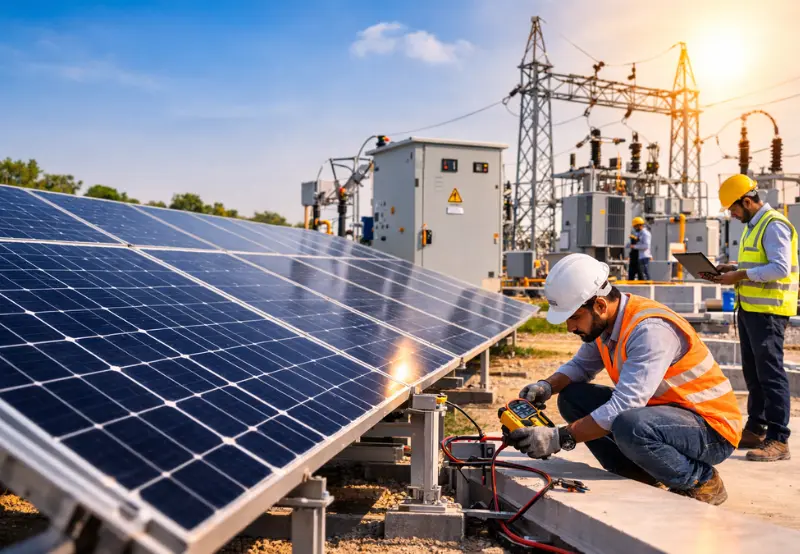
As the world races towards a cleaner, greener energy future, one challenge remains clear: how do we store renewable energy efficiently and reliably? Thanks to remarkable advances in storage technology, we are closer than ever to unlocking the full potential of solar, wind, and other renewable sources. Here are five of the most exciting and game-changing innovations in renewable energy storage that are shaping the clean energy landscape today.
1. Grid-Scale Flow Batteries: Flexible and Durable Energy Storage
Flow batteries are revolutionising how we store energy on a large scale. Unlike conventional batteries, these systems store energy in liquid electrolytes held in external tanks, allowing easy scalability simply by increasing the volume of the liquid. Vanadium-based flow batteries have already been deployed in Japan to support multiple wind farms, significantly reducing energy wastage when supply exceeds demand. Iron redox flow batteries, another emerging type, offer a safe, cost-effective alternative with promising efficiency and longevity. Their modular design makes them an excellent choice for storing renewable energy over hours or even days, offering grids much-needed flexibility and resilience.
2. Gravity-Based Storage: Power from Weight and Height
Imagine using gravity to store electricity – that’s exactly what gravity-based energy storage does. By using surplus electricity to lift heavy masses such as concrete blocks, energy can later be generated by allowing these weights to descend, turning generators and feeding power back to the grid. Companies like Energy Vault have developed systems that can achieve efficiency rates of up to 90%, without relying on batteries or specific geographical features like pumped hydro. This mechanical approach promises long lifespans with minimal environmental impact, providing a sustainable and cost-effective alternative for long-duration energy storage.
3. Thermal and Carnot Batteries: Harnessing Heat for Power
Not all energy storage involves electricity. Thermal storage technologies store surplus energy as heat, using materials like molten salts, sand, or specialised bricks. This stored heat can then be converted back to electricity or used directly for heating applications. Finland has pioneered “sand battery” systems capable of storing large amounts of thermal energy to warm homes during cold months. Carnot batteries, a newer concept, convert electricity into heat and back again, allowing for site-flexible, long-duration storage at reasonable efficiency. Thermal storage is especially valuable where heating and cooling demand is high, offering a practical solution that integrates seamlessly with renewable generation.
4. Iron-Air and Iron Flow Batteries: Rust as a Resource
Iron-based batteries are emerging as a highly promising technology for long-term, large-scale energy storage. Iron-air batteries operate by cycling iron between rusted and non-rusted states, enabling storage of energy for up to 100 hours or more—potentially replacing fossil-fuel baseload power plants. Meanwhile, iron flow batteries, which use iron chloride solutions, offer a safe, sustainable, and cost-effective storage option with durability suitable for year-long grid services. The abundance of iron and the relatively low cost of materials make these technologies an exciting frontier in the quest for reliable, affordable renewable energy storage.
5. Vehicle-to-Grid (V2G) Technology: Everyday Batteries Powering the Grid
Electric vehicles are not only transforming transport but also hold the key to decentralised energy storage. Vehicle-to-grid technology allows EV batteries to supply power back to homes or the grid when needed. Studies predict that widespread V2G adoption across Europe could reduce the need for stationary batteries by over 90%, while also enabling a 40% increase in solar energy utilisation by 2040. With smart charging systems and bi-directional inverters, this technology maximises battery life and offers cost savings for consumers. V2G effectively turns millions of parked cars into a vast, flexible energy resource, accelerating the integration of renewables.
Why These Innovations Are Crucial
Each of these breakthroughs addresses key challenges faced by renewable energy systems: storage duration, cost, scalability, and environmental impact. From the chemical finesse of flow and iron batteries to the mechanical simplicity of gravity systems and the thermal efficiency of heat storage, these technologies offer diverse solutions tailored to various needs. Their common goal is to ensure energy is available whenever it’s needed, smoothing out the natural fluctuations of renewable generation.
Furthermore, the growing investment in energy storage innovation, including significant funding from governments and private sectors worldwide, signals a strong belief that these technologies will be essential in decarbonising power systems and meeting global climate targets.
Final Thoughts
Renewable energy’s future hinges on how well we can store it. With these cutting-edge storage solutions gaining traction, the vision of a fully sustainable and reliable energy grid is becoming reality. Whether it’s harnessing the power of rust, lifting heavy weights, or using your electric car as a mini power plant, the energy storage revolution is on—and it’s powering a cleaner tomorrow.
Stay informed and engaged as these innovations continue to develop and bring about a sustainable energy future for all.