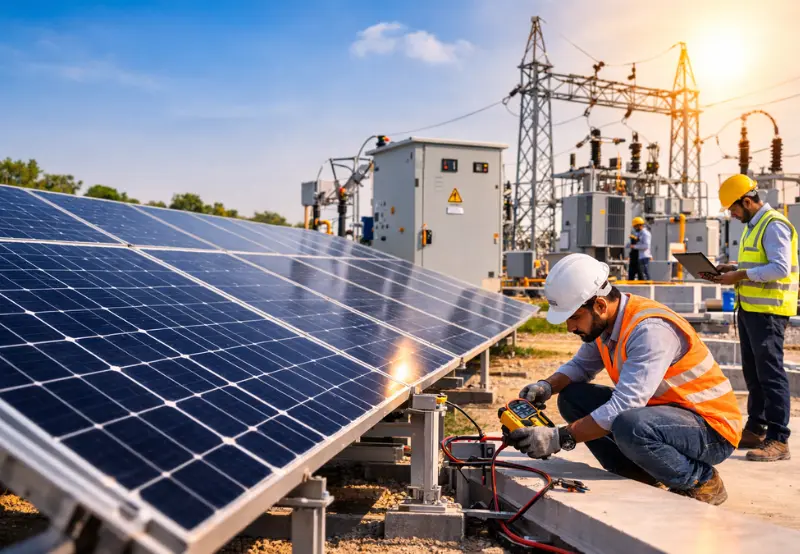

RPSG Group to build a powerful 3 GW solar + storage hub at Yamuna Expressway with ₹3,000 crore investment and 5,000 jobs, boosting India’s clean energy mission.
Introduction
India’s renewable energy sector has been expanding rapidly, and the proposed Large Solar + Storage Hub at Yamuna Expressway marks another major milestone in this journey. RPSG Group has recently secured a Letter of Intent (LoI) from the Yamuna Expressway Industrial Development Authority (YEIDA) to establish a 3 GW solar cell and ecosystem hub, spread across nearly 100 acres in Sector-8D.
This ambitious project is backed by an estimated investment of ₹3,000 crore and is expected to generate around 5,000 direct and indirect jobs. By integrating large-scale solar manufacturing with storage capacity, this initiative is a decisive step towards India’s clean energy independence and an excellent example of how industry and policy can align to deliver sustainable growth.
The Vision Behind the Solar + Storage Hub
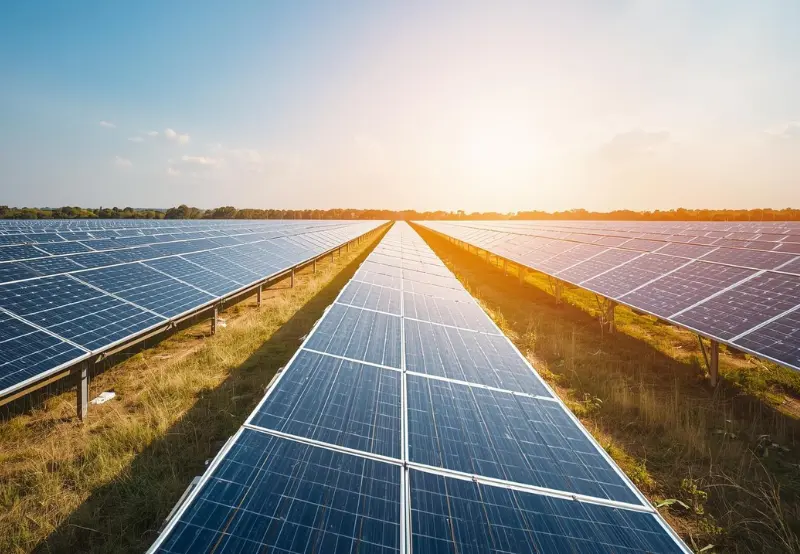
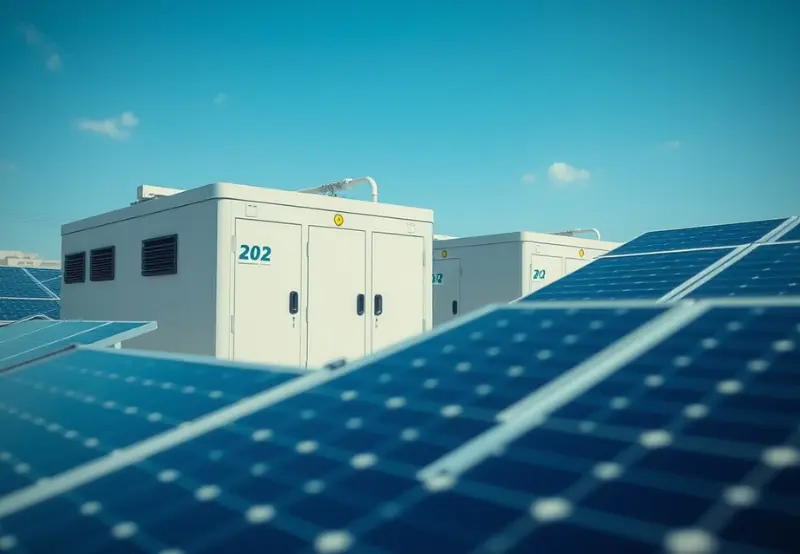
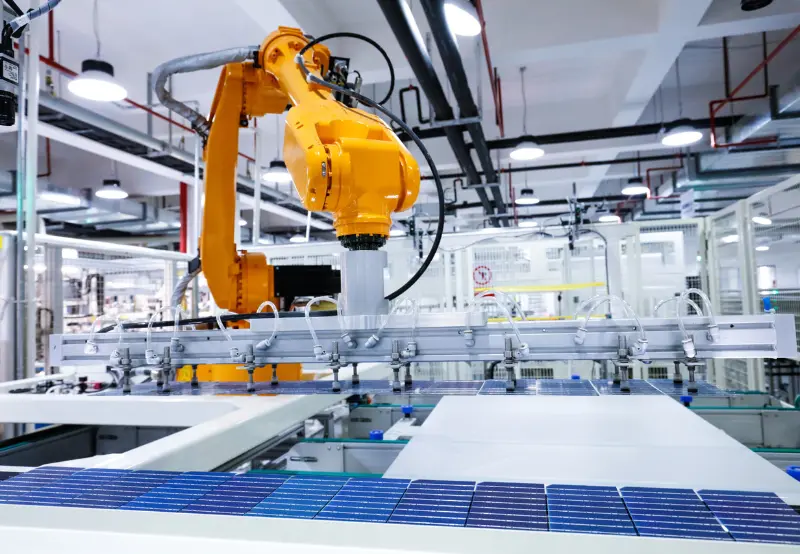
The Yamuna Expressway hub is not simply a solar park — it has been conceived as a complete renewable ecosystem. The inclusion of solar cell manufacturing units, advanced module production facilities, and a 60 MW captive solar + storage plant ensures that this is more than just power generation. It is about building resilience, efficiency, and technological strength within India’s solar sector.
Such a comprehensive approach is crucial for India, which still relies heavily on imports of solar modules and raw materials. By localising the value chain, the project directly contributes to Atmanirbhar Bharat (self-reliant India), while also providing the foundation for India to become a global solar manufacturing hub.
Project Details: Scale and Scope
- Capacity: 3 GW solar cell and ecosystem hub.
- Location: Sector-8D, Yamuna Expressway Industrial Development Area.
- Area: Approximately 100 acres allotted by YEIDA.
- Captive Plant: 60 MW solar + storage unit to meet internal energy needs and enhance stability.
The scale of this project demonstrates India’s shift from just deploying solar farms to also manufacturing high-quality solar technologies at home. With integrated storage, the hub will also help address one of the biggest challenges of renewables — intermittency of supply.
Economic Boost: ₹3,000 Crore Investment
The proposed ₹3,000 crore investment underscores the RPSG Group’s strong commitment to the renewable sector. This capital will not only fund world-class infrastructure and advanced technology adoption but will also stimulate the regional economy through supply chains, allied industries, and service ecosystems.
Local vendors, logistics providers, and small-scale manufacturers will benefit from the ripple effect of this mega project. Moreover, the presence of such a hub can attract further domestic and foreign investment, consolidating Uttar Pradesh’s position as a leader in renewable energy growth.
Job Creation: 5,000 Opportunities
Employment is one of the most tangible benefits of such a large-scale project. The hub is expected to generate around 5,000 jobs, directly and indirectly.
- Direct roles: Solar cell and module assembly, energy storage operations, R&D, and technical maintenance.
- Indirect roles: Supply chain management, logistics, construction, raw material processing, and ancillary services.
By fostering both skilled and semi-skilled employment, the project aligns seamlessly with government programmes such as Make in India and Skill India, empowering local communities with long-term opportunities.
Technology Edge: Advanced Solar Cells
At the heart of this hub is its emphasis on cutting-edge solar technologies:
- TOPCon (Tunnel Oxide Passivated Contact) cells: Known for their higher efficiency and better performance under varied conditions.
- Perovskite-Tandem cells: Next-generation innovation promising lightweight, efficient, and cost-effective solar modules.
By investing in these advanced technologies, RPSG is not just building capacity — it is laying the groundwork for India to compete with global solar giants like China. This move also ensures that Indian solar products meet international benchmarks for efficiency and durability.
Why Yamuna Expressway?
The Yamuna Expressway Industrial Development Area has emerged as one of India’s fastest-growing industrial corridors. Several factors make it the ideal location for such a transformative project:
- Proximity to Delhi-NCR, providing access to skilled labour, research institutions, and a large consumer base.
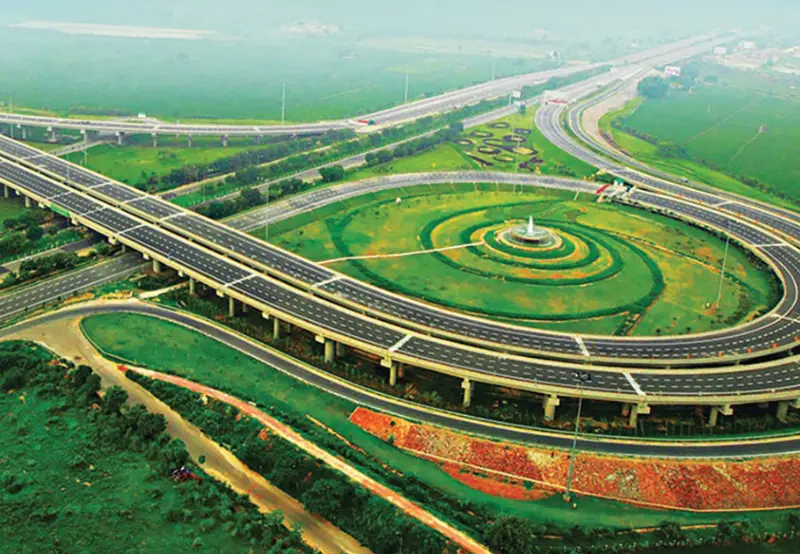
- Excellent road connectivity and logistics support via the expressway and nearby freight corridors.
- Supportive policies and incentives from YEIDA, ensuring faster approvals and smoother land allotments.
- Availability of land parcels large enough to accommodate mega projects.
With these advantages, the Yamuna Expressway is positioning itself as India’s green growth corridor.
Challenges and Considerations
While the project is promising, several challenges must be carefully managed:
- Supply of Raw Materials – India remains dependent on imports for critical components like silicon wafers.
- Cost of Advanced Technologies – Manufacturing TOPCon and Perovskite-Tandem cells at scale requires high upfront investment.
- Regulatory Approvals – Large projects often face delays in environmental and utility integration clearances.
- Grid Integration – Adding both a large solar hub and captive storage requires careful planning to avoid disruptions.
By proactively addressing these hurdles, the project can achieve its intended impact without delays.
🇮🇳 India’s Renewable Energy Goals
India aims to reach 500 GW of renewable energy capacity by 2030, with solar expected to play a pivotal role. Projects like the Large Solar + Storage Hub at Yamuna Expressway are not only essential for meeting these targets but also for building a domestic manufacturing backbone.
This initiative will also help India reduce its carbon emissions, enhance energy security, and meet global commitments under the Paris Agreement and subsequent climate summits.
Conclusion
The RPSG Group’s proposed hub at Yamuna Expressway is a landmark in India’s clean energy roadmap. With its 3 GW capacity, ₹3,000 crore investment, and potential to create 5,000 jobs, it is a powerful statement of intent towards a sustainable future.
Beyond numbers, the project stands as a symbol of innovation, resilience, and self-reliance. It demonstrates how India is steadily transitioning from being a consumer of renewable technologies to becoming a global producer and innovator in the solar sector.
As India accelerates its march towards energy independence, this solar + storage hub shines brightly as a beacon of possibility, showcasing how economic growth, job creation, and environmental responsibility can move forward together.
Read: IB Solar Manufacturing Investment | ₹30 Billion Boost for 4 GW TOPCon Plant in Uttar Pradesh