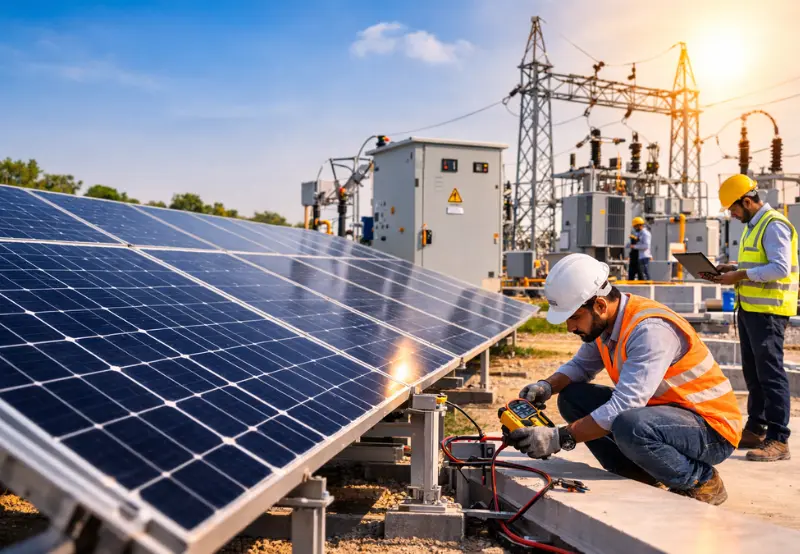
Rajasthan 500 MW Battery Energy Storage Tender aims for 2,000 MWh capacity under BOO model. Learn the 7 key facts powering India’s renewable energy growth.
Table of Contents
- Introduction
- Tender Overview
- Why 500 MW / 2,000 MWh Matters
- BOO Model and Its Advantages
- India’s Energy Storage Targets
- Rajasthan’s Role in Renewable Energy
- Investor Opportunities and Market Impact
- Challenges Ahead
- Conclusion
1. Introduction
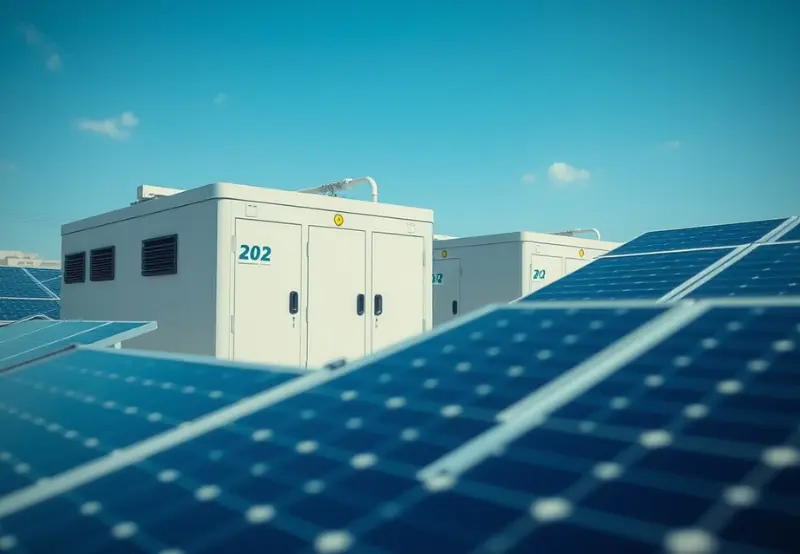
The Rajasthan 500 MW Battery Energy Storage Tender represents a landmark moment in India’s push towards round-the-clock renewable energy. Issued under a build-own-operate (BOO) model, the tender calls for 500 MW / 2,000 MWh of standalone battery energy storage systems (BESS).
This project is part of India’s broader strategy to integrate large-scale storage into its grid, reducing reliance on coal and ensuring uninterrupted renewable power supply.
2. Tender Overview
- Issued by: Rajasthan Renewable Energy Development Agency (RREDA)
- Capacity: 500 MW / 2,000 MWh (4-hour storage)
- Model: Build-Own-Operate (BOO)
- Bid Submission Deadline: 23 September 2025
- Bid Opening Date: 24 September 2025
The winning bidder will design, finance, install, operate, and maintain the storage facility for the contract period, selling stored electricity as per the agreement.
3. Why 500 MW / 2,000 MWh Matters
The scale of this tender is unprecedented for Rajasthan and among the largest BESS tenders in India. Here’s why it’s important:
- 4-hour storage duration ensures evening peak demand can be met using solar-generated power from the day
- Reduces grid instability caused by intermittent renewable sources
- Supports India’s goal of 47.24 GW BESS capacity by 2032
4. BOO Model and Its Advantages
The Build-Own-Operate model offers several benefits:
- Encourages private sector investment without burdening public finances
- Bidders can optimise operations for efficiency and profitability
- Long-term revenue stability through pre-agreed contracts
This model has been used successfully in other large-scale energy projects in Gujarat and Maharashtra.
5. India’s Energy Storage Targets
India’s National Electricity Plan (2022–27) outlines ambitious storage targets:
- 2030 goal: 500 GW non-fossil capacity
- Storage goal: 47.24 GW / 236.24 GWh of BESS by 2032
- Integration of storage into solar, wind, and hybrid projects
The Rajasthan tender contributes significantly to these targets, ensuring energy security during non-solar hours.
6. Rajasthan’s Role in Renewable Energy
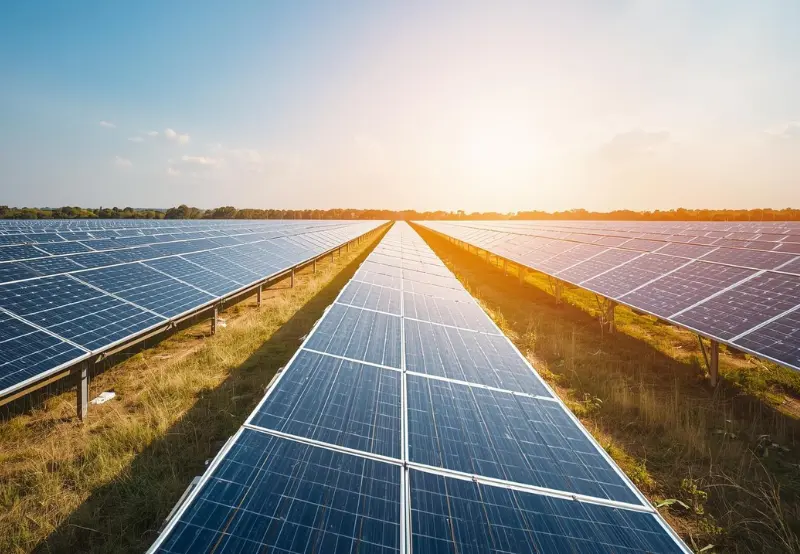
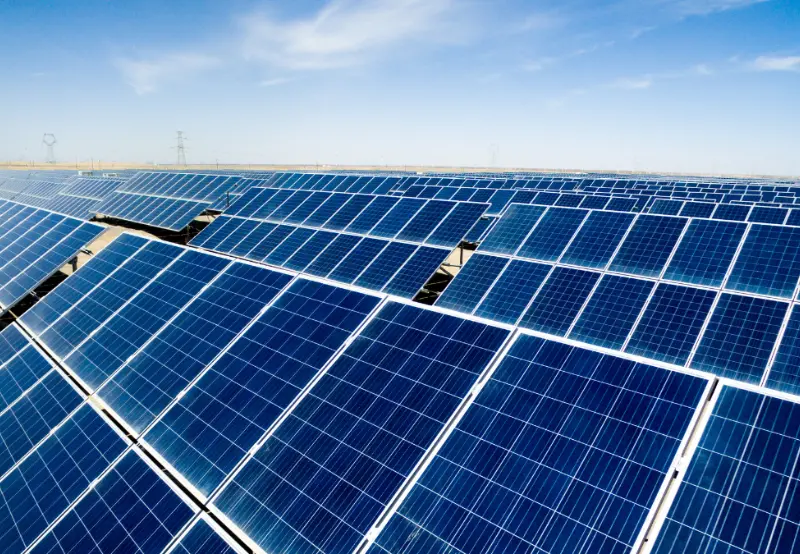
Rajasthan leads India in installed solar capacity, thanks to vast arid lands and high irradiation levels. Recent achievements include:
- Bhadla Solar Park – 2,245 MW capacity, world’s largest
- State renewable policy incentives for storage integration
- Pipeline of hybrid wind-solar-storage projects
The new Rajasthan 500 MW Battery Energy Storage Tender will complement these efforts, allowing surplus solar power to be stored and dispatched when needed.
7. Investor Opportunities and Market Impact
Global and domestic energy giants are expected to participate in the bidding. Key drivers for investor interest:
- Rising demand for flexible power supply
- Falling lithium-ion battery costs (forecast to drop to $55/kWh by 2025)
- Government push for time-of-day tariffs, benefiting storage operators
Market analysts predict this tender could attract over $700 million in investment.
8. Challenges Ahead
Despite the opportunities, the sector faces:
- Supply chain risks for lithium and other key minerals
- Land acquisition hurdles in certain regions
- Need for clear policy on battery recycling and end-of-life management
Industry experts recommend a domestic manufacturing push under India’s Production-Linked Incentive (PLI) scheme to address these challenges.
9. Conclusion
The Rajasthan 500 MW Battery Energy Storage Tender is not just a procurement notice—it’s a statement of intent. It signals India’s readiness to embrace large-scale storage as the backbone of its clean energy future.
With strategic investments, robust policy support, and technological innovation, this project could set a benchmark for BESS deployment in emerging economies.
🔗 Related Read on EcoDigest: India’s Standalone Energy Storage Market Poised at a Crucial Turning Point