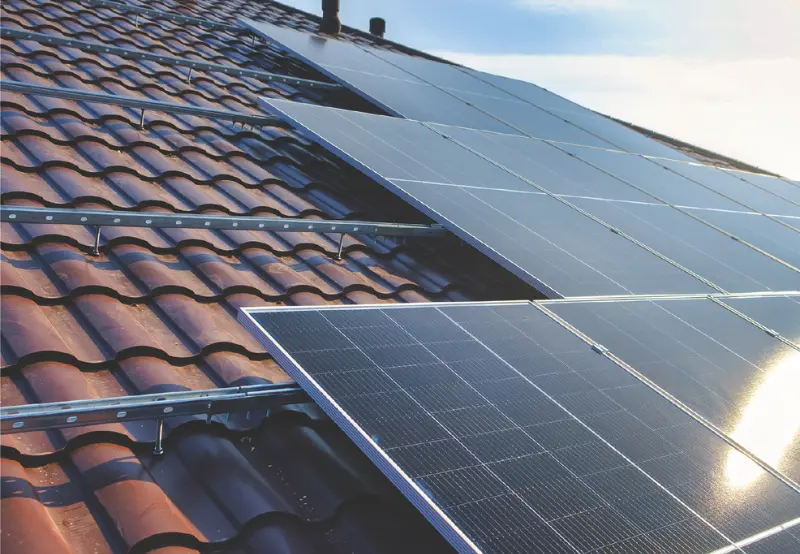

India’s renewable energy transition is entering a smarter phase — one that goes beyond simply installing solar panels. Rajasthan has taken a significant step in this direction by approving the use of hybrid inverters for rooftop solar systems, signalling a strong push towards integrating battery energy storage solutions.
The move reflects a growing national shift from just generating renewable power to managing it efficiently.
But why are hybrid inverters suddenly so important? And how will this decision reshape rooftop solar adoption in Rajasthan?
Let’s explore.
A Major Policy Shift for Rooftop Solar
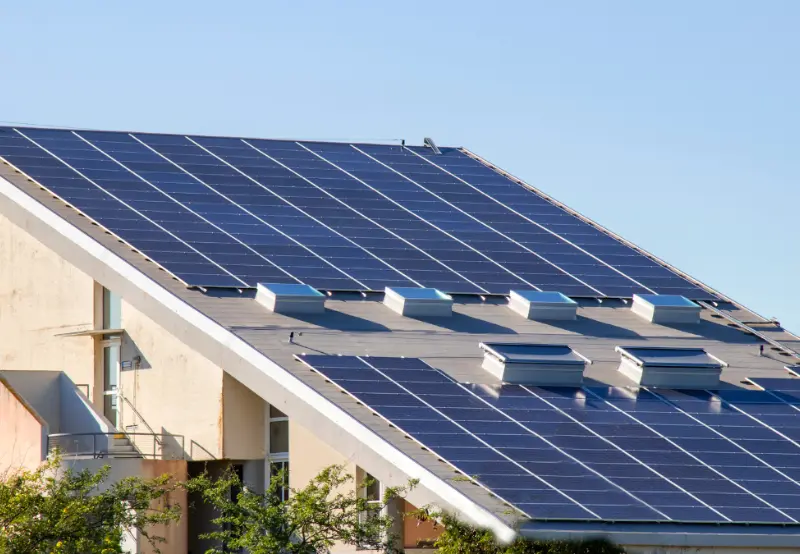
Jaipur Vidyut Vitran Nigam Limited (JVVNL), one of Rajasthan’s key power distribution companies, has permitted consumers to install hybrid inverters alongside rooftop solar systems.
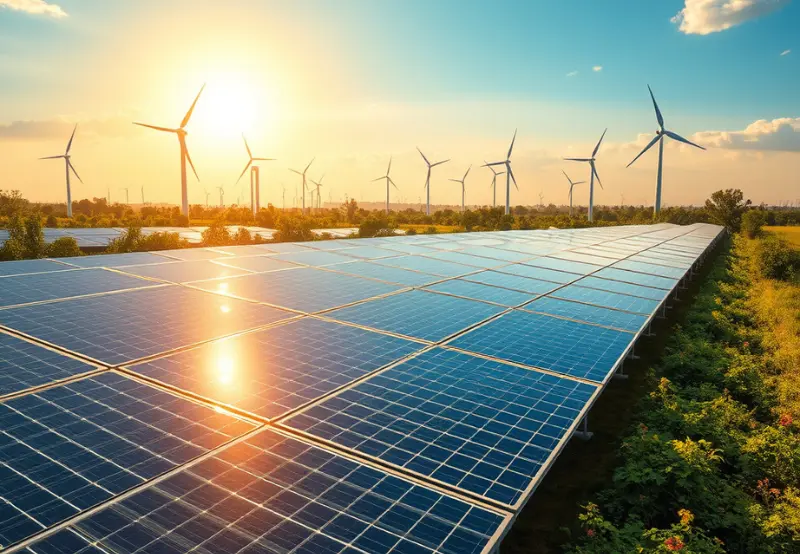
The approval comes at a time when renewable energy capacity is expanding rapidly across the state, creating new operational challenges related to grid stability and electricity management.
By allowing hybrid inverter technology, Rajasthan is preparing its electricity network for a future where solar generation and battery storage operate together seamlessly.
What Are Hybrid Inverters and Why Do They Matter?
A hybrid inverter functions as the central control system of a modern rooftop solar installation.
Unlike conventional solar inverters that only convert solar energy for immediate consumption or grid export, hybrid inverters can:
- Manage solar power generation
- Store excess electricity in batteries
- Supply backup power during outages
- Optimise interaction between solar systems and the grid
In simple terms, it transforms a rooftop solar setup into an intelligent energy management system.
Growing Importance of Battery Energy Storage Systems (BESS)
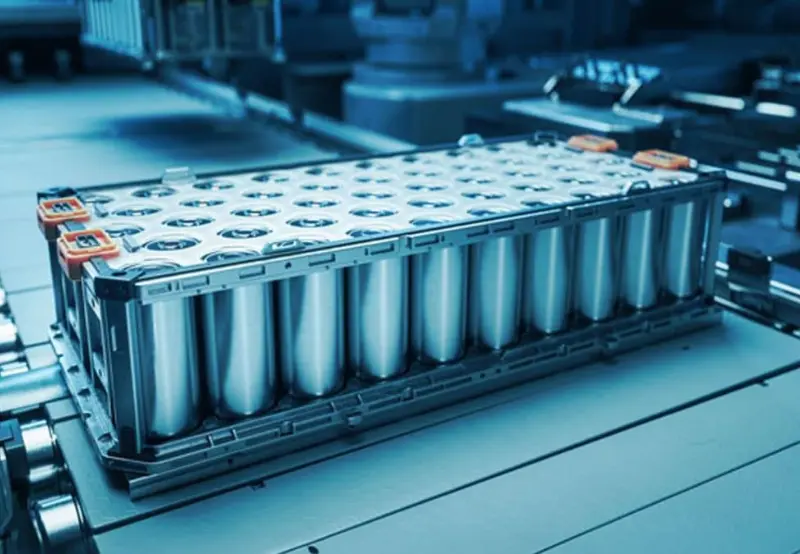
The approval closely aligns with Rajasthan’s increasing focus on Battery Energy Storage Systems (BESS).
As solar penetration rises, utilities face challenges such as evening peak demand, renewable intermittency, and voltage fluctuations. Energy storage helps address these issues by storing surplus daytime solar energy and supplying it when demand increases.
This makes renewable power more reliable and consistent.
Integration with Existing Rooftop Solar Frameworks
Consumers installing hybrid inverters can continue operating under existing rooftop solar mechanisms such as net metering arrangements.
However, financial incentives remain linked only to installed solar capacity, meaning battery components are treated as additional consumer investments.
Even so, the long-term benefits of improved energy independence and reliability make hybrid systems increasingly attractive.
Strengthening Grid Stability in a Solar-Rich State
Rajasthan is already among India’s leading solar power producers. High renewable penetration, however, introduces operational complexity for distribution networks.
Hybrid inverter adoption helps utilities:
- Manage peak electricity demand
- Improve supply reliability
- Maintain voltage stability
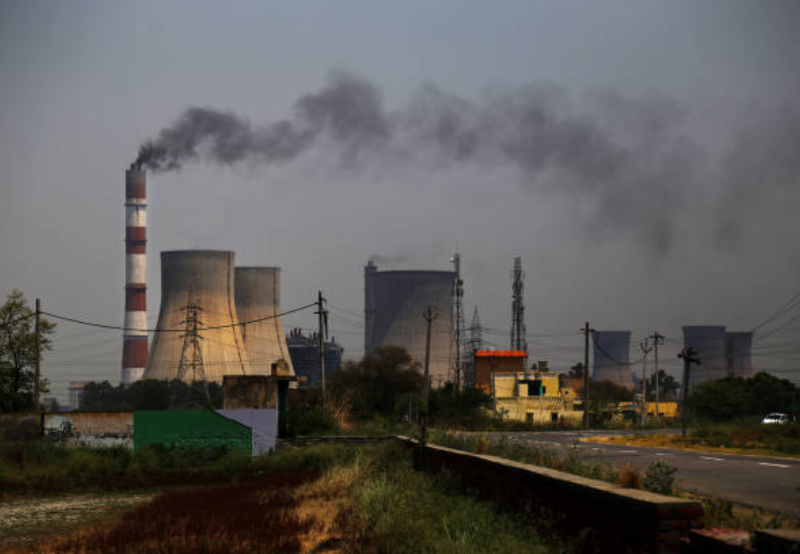
- Reduce dependence on conventional backup power
The decision therefore supports both consumer empowerment and grid resilience.
A Step Towards Future-Ready Energy Systems
This policy reflects a broader transformation in India’s energy planning approach.
Earlier, the focus was primarily on installing renewable capacity. Today, attention is shifting towards ensuring that renewable energy remains dependable at all times.
Hybrid solar-plus-storage systems represent the next phase of decentralised energy development, enabling smarter electricity consumption and improved system flexibility.
Benefits for Rooftop Solar Consumers
For households and businesses, hybrid inverter systems offer several practical advantages:
- Backup power during grid outages
- Greater utilisation of solar generation
- Reduced dependence on grid electricity
- Long-term savings on power bills
Rooftop solar is gradually evolving from a cost-saving measure into a reliable energy security solution.
Rajasthan’s Role in India’s Clean Energy Transition
The approval of hybrid inverters signals Rajasthan’s commitment to building an advanced renewable energy ecosystem capable of handling large-scale solar deployment.
As energy storage becomes central to renewable expansion, such regulatory decisions are expected to accelerate the adoption of integrated solar and storage systems across the country.
Conclusion
Rajasthan’s decision to allow hybrid inverters for rooftop solar systems marks an important milestone in India’s clean energy evolution. The focus is no longer limited to generating renewable electricity but extends to storing and managing it efficiently.
By encouraging hybrid inverter adoption alongside growing battery storage deployment, Rajasthan is moving towards a more resilient, flexible, and future-ready power system.
The transition to clean energy is no longer just about installing solar panels — it is about building smarter energy networks that work round the clock.