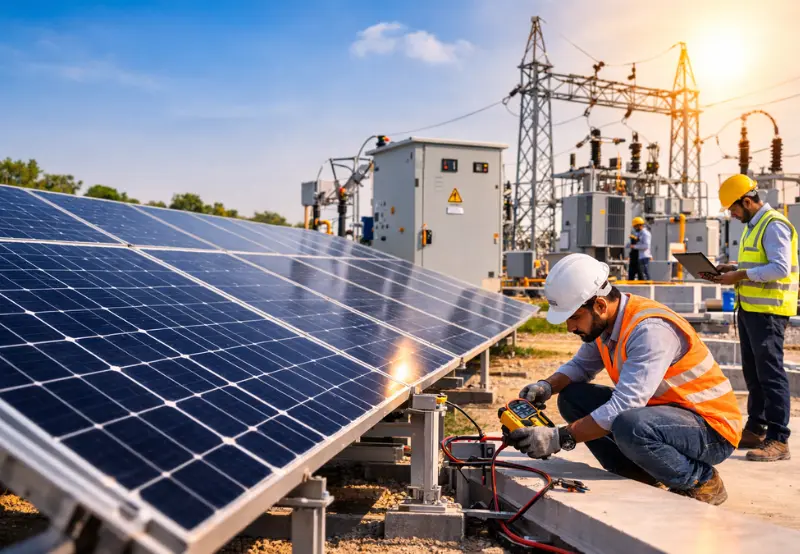

The REconnect Summit in Coimbatore brought together leading experts from India’s clean-energy sector, highlighting a strong and urgent message: India must accelerate the development of energy-storage systems and electric-vehicle (EV) infrastructure to keep pace with its expanding renewable-energy ambitions.
Energy Storage Is Now a Necessity
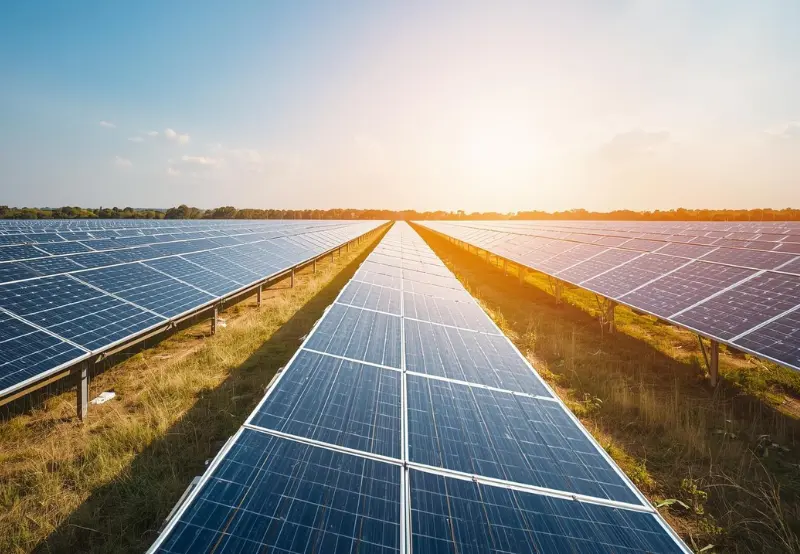
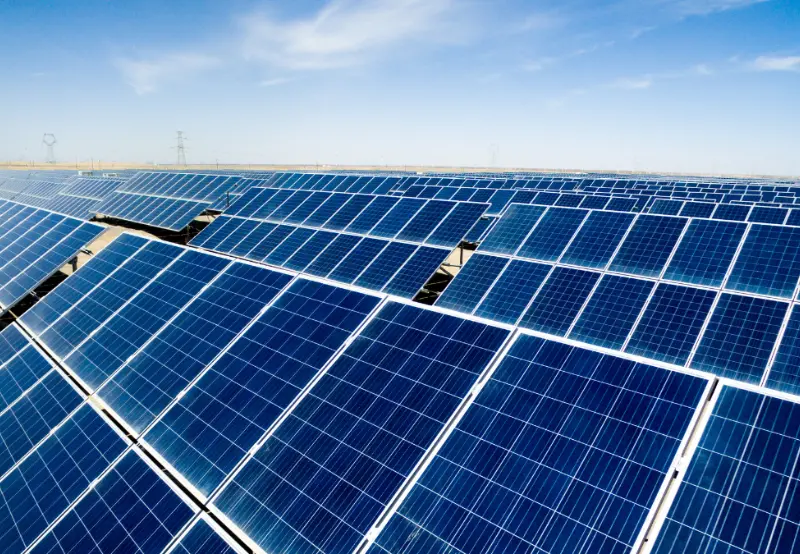
Speakers at the summit emphasised that as India continues to add large volumes of solar and wind capacity, reliable energy storage is essential to maintain grid stability. The natural variability of renewable power means the grid requires dependable solutions to balance supply and demand, especially during peak hours or low-generation periods.
Experts noted that energy storage is no longer a secondary add-on — it is becoming a core component of modern power systems. Without large-scale storage, the true potential of renewable energy cannot be realised.
Rising EV Adoption Will Add Pressure to the Grid
With electric-vehicle adoption growing rapidly across India, future electricity demand is expected to rise significantly. Industry leaders highlighted that by 2030, the increased load from EV charging could become a major challenge unless charging infrastructure and grid-support mechanisms are strengthened in advance.
EV-charging networks — especially fast-charging stations — must be expanded quickly to support consumer confidence and ensure smooth mobility for the emerging EV ecosystem.
Key Recommendations from the Summit
During the dedicated discussion on “Tamil Nadu’s Solar Storage and EV Scenario,” experts outlined several actionable priorities:
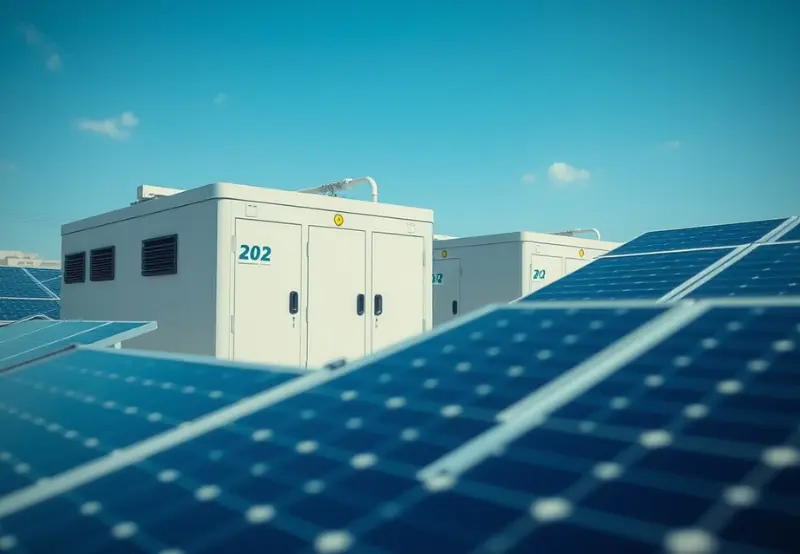
- Accelerate deployment of battery-energy storage systems (BESS) to accompany renewable-energy plants.
- Develop a robust and accessible EV-charging network, with a focus on fast-charging technologies.
- Strengthen transmission and distribution networks to handle renewable-energy variability and increased EV loads.
- Establish battery-recycling and second-life strategies to ensure long-term sustainability.
- Encourage policy reforms and financial incentives to attract investment into storage and EV infrastructure.
What This Means for India’s Clean-Energy Transition
If the recommendations from the summit are put into action, the benefits could be transformative:
- A more reliable renewable-energy grid, capable of handling fluctuations without compromising supply.
- Faster EV adoption, supported by accessible and efficient charging infrastructure.
- Lower carbon emissions, improved air quality, and reduced dependence on fossil fuels.
- Greater investment opportunities for technology providers, developers, and energy-sector innovators.
Tamil Nadu — already a leader in renewable energy — could become a national model for integrating storage and EV infrastructure, encouraging other states to follow suit.
Challenges Ahead
Despite the optimism, experts acknowledged several key challenges:
- High upfront costs for storage and EV infrastructure.
- The need for modernised grid systems to handle renewable-energy loads.
- Lack of clear regulatory frameworks for battery disposal and recycling.
- Requirement for coordinated action between government, utilities, developers, and technology providers.
Conclusion
The REconnect Summit in Coimbatore delivered a clear message: India’s clean-energy future depends on rapid expansion of storage technologies and EV-charging networks. As renewable capacity rises and electric mobility gains momentum, strengthening these critical pillars will determine the success of India’s transition to a sustainable, resilient, and future-ready energy system.