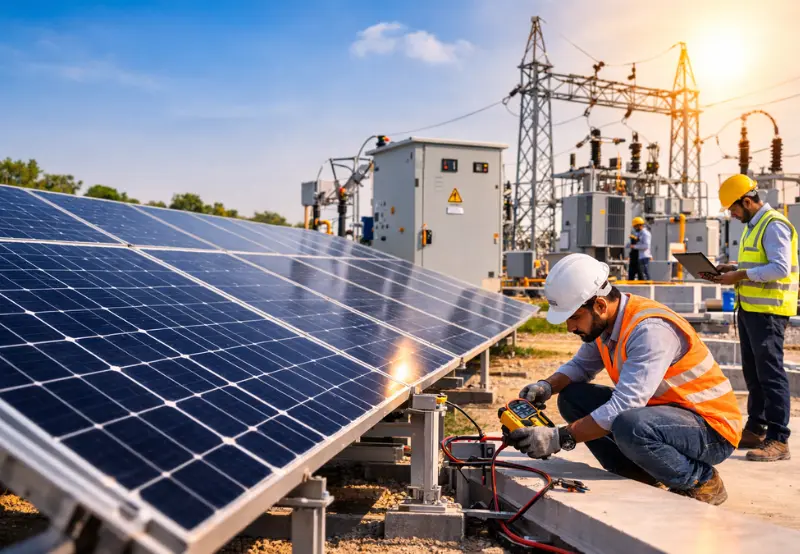

Reliance Infrastructure secures a 390 MW solar + battery energy storage project with NHPC, marking a major boost to India’s clean energy future. Explore project details, benefits, and market impact.
Table of Contents
- Introduction: The Big Win for Reliance Infra
- Project Overview: 390 MW Solar with Battery Energy Storage
- NHPC’s Vision for Renewable Power
- Why Solar + Storage Projects Matter in India
- Key Benefits of the Reliance Infra 390 MW Project
- Global Perspective: How India Compares
- Challenges in Solar + Storage Projects
- Market Impact: What It Means for India’s Energy Sector
- Future of Renewable Energy in India
- Conclusion: A Stronger, Cleaner Energy Future
1. Introduction: The Big Win for Reliance Infra
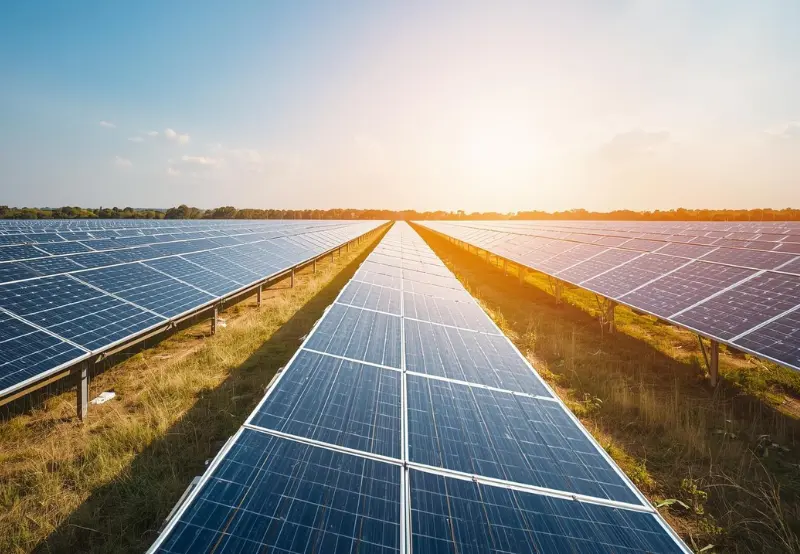
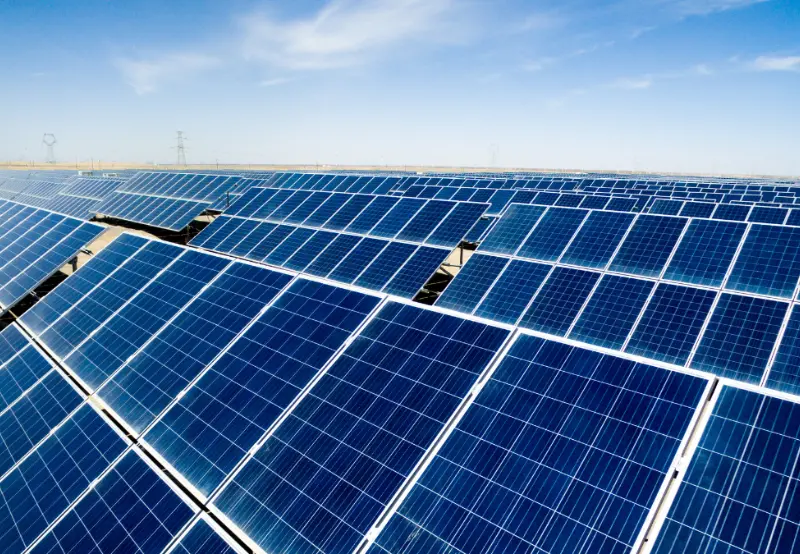
Reliance Infrastructure Limited (Reliance Infra), one of India’s leading private sector utilities, has achieved a significant milestone by securing a 390 MW solar power project integrated with Battery Energy Storage Systems (BESS). Awarded by the National Hydroelectric Power Corporation (NHPC), this project is a landmark in India’s clean energy roadmap.
The project will be connected to the Interstate Transmission System (ISTS), ensuring renewable energy flows seamlessly across states. This victory not only strengthens Reliance Infra’s renewable portfolio but also reaffirms India’s commitment to achieving 500 GW of renewable capacity by 2030.
2. Project Overview: 390 MW Solar with Battery Energy Storage
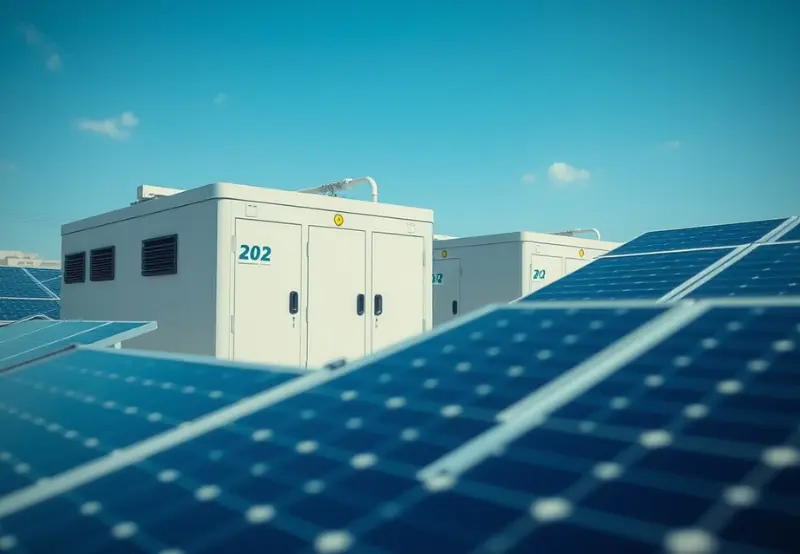
The Reliance Infra 390 MW solar + storage project will combine large-scale solar generation with advanced battery storage. Unlike standalone solar projects, the inclusion of BESS will:
- Store excess energy during peak sunshine hours.
- Ensure steady power supply during evenings or cloudy days.
- Reduce grid instability caused by renewable fluctuations.
This makes it a game-changer in India’s renewable infrastructure development.
3. NHPC’s Vision for Renewable Power
NHPC, traditionally known for its hydropower dominance, has been diversifying into solar and hybrid renewable projects. Partnering with Reliance Infra reflects its strategy to build a balanced energy mix.
The collaboration aims to:
- Support India’s clean energy targets.
- Reduce dependency on fossil fuels.
- Promote grid-scale energy storage, which is crucial for India’s future energy security.
4. Why Solar + Storage Projects Matter in India
India faces two major challenges in renewable energy:
- Intermittency – Solar power is only available during the day.
- Transmission Losses – Lack of stable storage leads to wastage.
By integrating storage, the Reliance Infra 390 MW project:
- Provides round-the-clock renewable energy (RTC).
- Enhances grid reliability.
- Supports industrial and residential users with consistent clean power.
Globally, countries like the USA, China, and Australia are already investing heavily in solar + storage hybrids. India’s move reflects its seriousness in becoming a green energy powerhouse.
5. Key Benefits of the Reliance Infra 390 MW Project
H3: Economic Benefits
- Reduces reliance on expensive coal imports.
- Creates jobs in manufacturing, installation, and maintenance.
- Encourages domestic battery manufacturing under the PLI scheme.
H3: Environmental Benefits
- Cuts carbon emissions significantly.
- Promotes cleaner air in urban centres.
- Conserves water compared to thermal power plants.
H3: Social Benefits
- Provides stable power for households and industries.
- Encourages adoption of green lifestyles.
- Contributes to India’s energy independence.
6. Global Perspective: How India Compares
With this project, India joins the global league of nations investing in grid-scale renewable storage. For example:
- Australia operates the world’s largest lithium-ion battery facility.
- USA has multiple solar + storage farms supporting its grid.
- China leads in energy storage capacity with rapid expansion.
Reliance Infra’s move strengthens India’s position in this competitive landscape.
7. Challenges in Solar + Storage Projects
Despite the positives, there are challenges:
- High cost of storage systems (though falling steadily).
- Land acquisition issues for large solar farms.
- Battery recycling concerns, requiring strong circular economy models.
However, government incentives, policy reforms, and private sector investments are addressing these hurdles.
8. Market Impact: What It Means for India’s Energy Sector
The Reliance Infra 390 MW solar + storage project could act as a benchmark for future tenders. It signals to investors that:
- India is serious about renewable integration.
- Private sector has a strong role in energy transition.
- Storage is no longer optional—it’s essential.
This could accelerate foreign direct investments (FDI) and technology partnerships in India’s renewable space.
9. Future of Renewable Energy in India
India’s renewable journey is unstoppable. With projects like this:
- Renewable share in energy mix will cross 50% by 2030.
- Green hydrogen production will get a boost.
- Smart grids will evolve to handle storage at scale.
Reliance Infra’s success also adds momentum to India’s COP26 commitments of net-zero by 2070.
10. Conclusion: A Stronger, Cleaner Energy Future
The Reliance Infra 390 MW solar + storage project is not just another contract—it’s a milestone in India’s clean energy revolution. With NHPC’s support and India’s ambitious renewable targets, this project represents the future of sustainable power.
As solar + storage technology becomes mainstream, India is set to emerge as a global leader in renewable energy innovation.