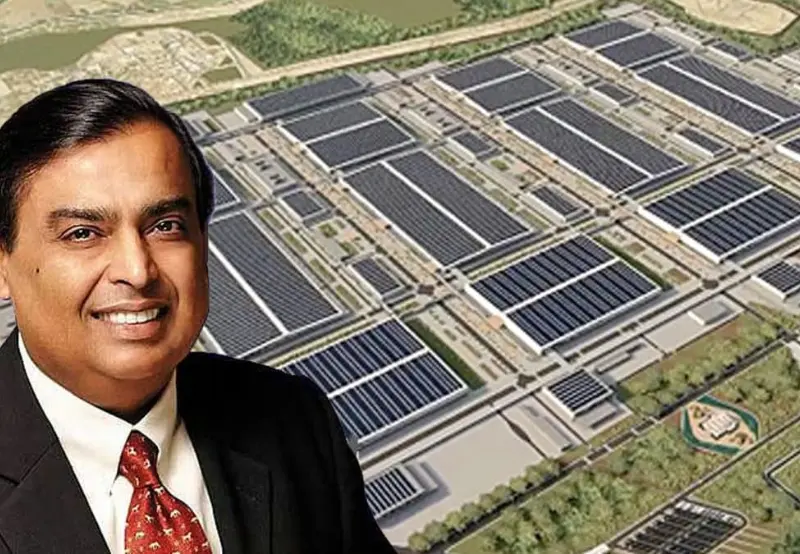

Reliance Infrastructure Solar Project wins NHPC LoA for 390 MW solar with battery storage. A major step towards India’s renewable and energy storage revolution.
Table of Contents
- Introduction
- Reliance Infrastructure Solar Project Overview
- What the NHPC LoA Means
- Why Battery Storage is a Game Changer
- Reliance Infrastructure’s Renewable Journey
- India’s Solar + Storage Roadmap
- The Economics of Solar + Battery Projects
- Global Comparisons
- Challenges Facing Solar + Storage Projects
- Environmental and Social Benefits
- Looking Ahead
- Conclusion
1. Introduction
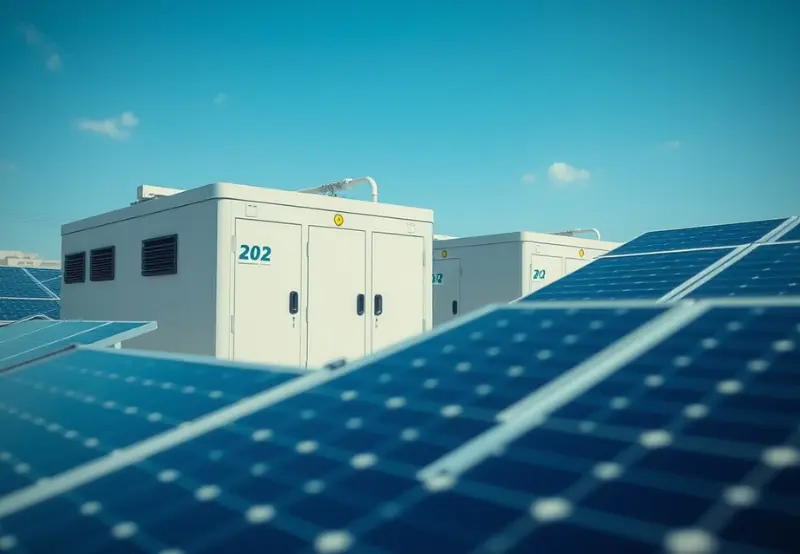
The Reliance Infrastructure Solar Project has taken centre stage in India’s renewable energy landscape after the company secured a Letter of Award (LoA) from NHPC for a 390 MW solar power plant integrated with a cutting-edge battery energy storage system (BESS).
This marks a turning point in India’s march towards clean, reliable, and round-the-clock green energy. With battery storage paired to large-scale solar, the project ensures that sunlight harvested during the day can now continue to power homes and industries well into the night.
2. Reliance Infrastructure Solar Project Overview
Here’s what makes the Reliance Infrastructure Solar Project a landmark:
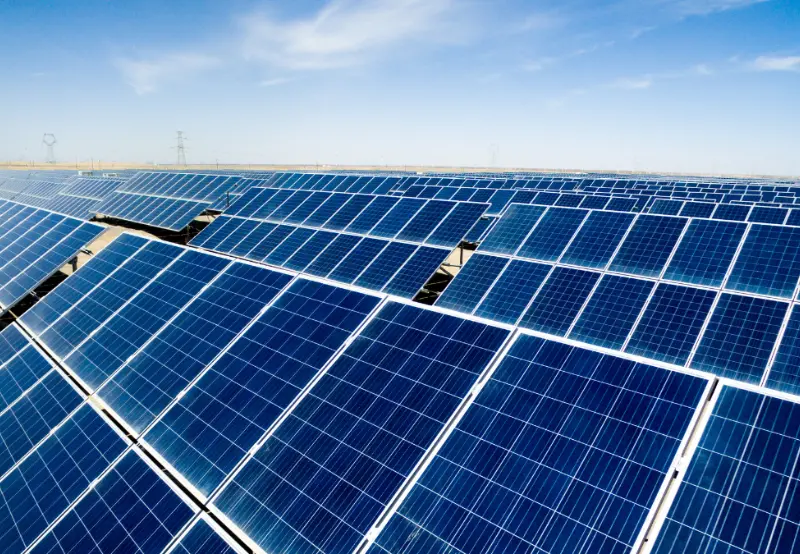
- Capacity: 390 MW of solar power
- Technology: Solar + Battery Energy Storage System (BESS)
- Awarding Authority: National Hydroelectric Power Corporation (NHPC)
- Purpose: To supply consistent, stable, and clean energy
Once completed, the plant will generate enough electricity to power more than 5 lakh homes, while reducing millions of tonnes of CO₂ annually.
3. What the NHPC LoA Means
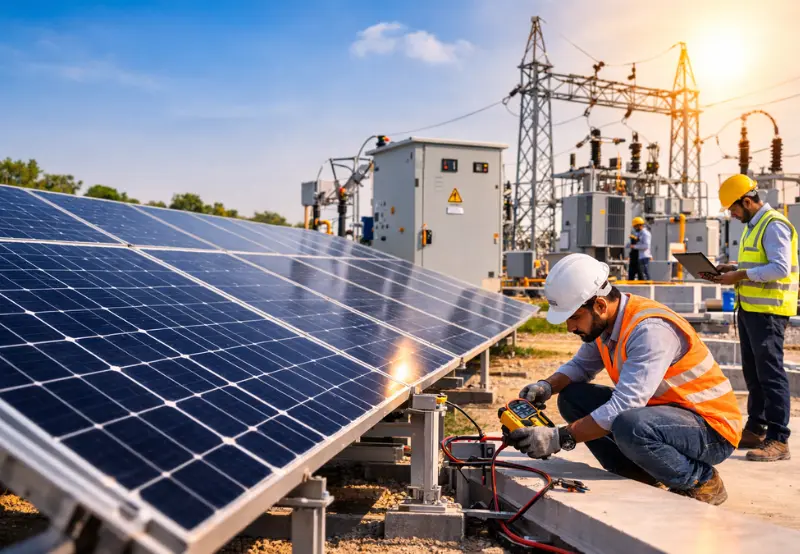
The Letter of Award (LoA) from NHPC provides Reliance Infrastructure with the mandate to design, build, and operate the project.
NHPC’s involvement reflects the Indian government’s trust in hybrid renewable systems—where solar energy, supported by battery storage, can overcome intermittency issues and contribute meaningfully to grid stability.
4. Why Battery Storage is a Game Changer
Battery storage is at the heart of this project. Here’s why:
- 24/7 Power: Solar energy can now meet night-time demand.
- Grid Stability: Prevents blackouts during peak loads.
- Reduced Reliance on Fossil Fuels: Limits diesel and coal-based backup systems.
- Economic Efficiency: With battery costs falling (as low as $55/kWh by 2025, BloombergNEF), solar + storage is now competitive with traditional energy.
This makes the Reliance Infrastructure Solar Project not just another solar farm, but a benchmark in India’s energy storage revolution.
5. Reliance Infrastructure’s Renewable Journey
Reliance Infrastructure has historically been known for its role in power distribution, engineering, and infrastructure. However, the new solar + storage project signals a strategic shift towards green energy leadership.
By investing in large-scale clean energy assets, the company is positioning itself as a key contributor to India’s 500 GW renewable capacity target by 2030.
🇮🇳 6. India’s Solar + Storage Roadmap
The Indian government has laid out ambitious targets:
- 500 GW renewable capacity by 2030
- 47 GW/236 GWh of battery storage by 2032 (CEA projections)
- Solar expected to make up 280 GW of total renewable share
Projects like the Reliance Infrastructure Solar Project are essential stepping stones to achieve these milestones.
7. The Economics of Solar + Battery Projects
One of the biggest reasons solar + storage projects are booming is cost competitiveness.
- Tariffs for hybrid projects are now ₹3.5–4.5/kWh, lower than new coal projects.
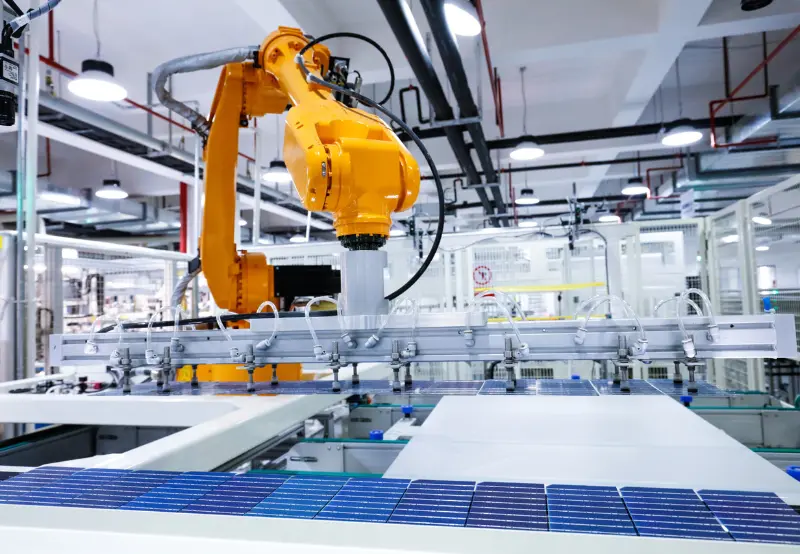
- India benefits from falling module prices and declining lithium-ion costs.
- BESS ensures long-term grid reliability without additional fossil fuel plants.
For investors, projects like this are attractive due to predictable returns, ESG alignment, and government incentives.
8. Global Comparisons
Globally, countries like the US, China, and Australia have led the solar + storage revolution.
India, however, has a unique advantage:
- Lower installation costs
- Supportive policies
- Strong EPC capabilities
The Reliance Infrastructure Solar Project places India on par with global leaders, setting an example for hybrid energy deployment in emerging economies.
9. Challenges Facing Solar + Storage Projects
While the opportunities are massive, challenges remain:
- Land acquisition for large solar plants
- Battery recycling infrastructure still nascent
- Grid integration issues during scaling
- Supply chain dependence on imported lithium
Overcoming these hurdles will require domestic manufacturing, R&D investment, and supportive policy frameworks.
10. Environmental and Social Benefits
The Reliance Infrastructure Solar Project is not just about megawatts—it’s about people and the planet.
- Cuts millions of tonnes of carbon emissions annually
- Reduces air pollution by offsetting coal-based generation
- Creates thousands of local jobs in construction and O&M
- Encourages community development through clean, reliable power
11. Looking Ahead
The Reliance Infrastructure Solar Project could become a template for future hybrid projects in India. With the LoA secured, construction and commissioning will be closely watched by investors, policymakers, and climate advocates alike.
More such solar + storage deployments are expected in states like Rajasthan, Gujarat, and Maharashtra, where high solar radiation meets grid demand.
12. Conclusion
The Reliance Infrastructure Solar Project is more than just a 390 MW solar plant. It represents India’s energy independence dream, fuelled by innovation, sustainability, and resilience.
With NHPC’s backing and Reliance’s execution capabilities, this project demonstrates how solar paired with storage will redefine India’s energy future—making power not just greener, but also smarter.