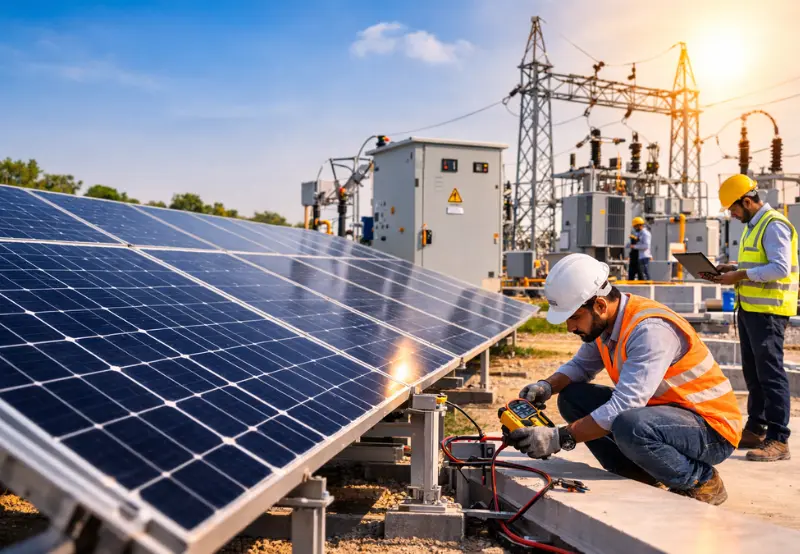
India’s clean-energy landscape is evolving rapidly — and Reliance Power is making a bold bet. With the launch of its new subsidiary Reliance NU Energies, the company is signalling a strong shift from conventional power generation towards solar-plus-storage projects, aligning closely with the country’s renewable-energy ambitions.
What’s Happening: The Solar Move Explained
- Reliance NU Energies has secured a major win: a 750 MW / 3,000 MWh allocation under a “Firm and Dispatchable Renewable Energy” (FDRE) tender from SJVN Ltd.
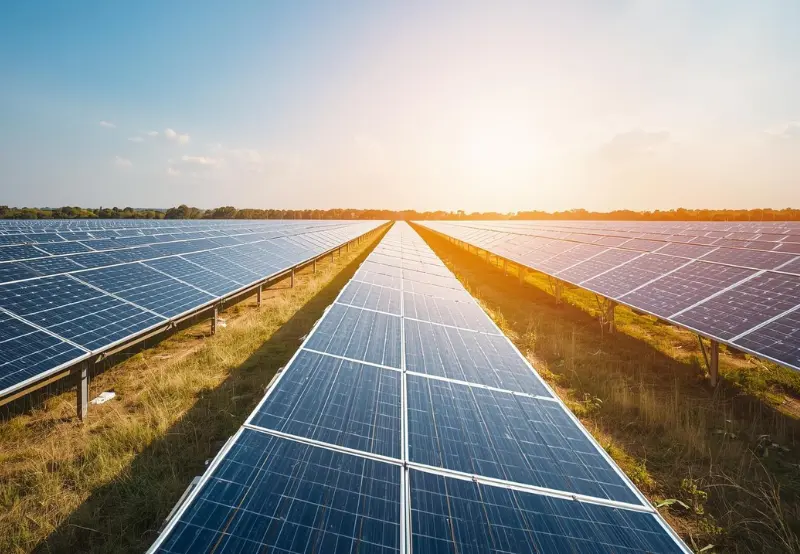
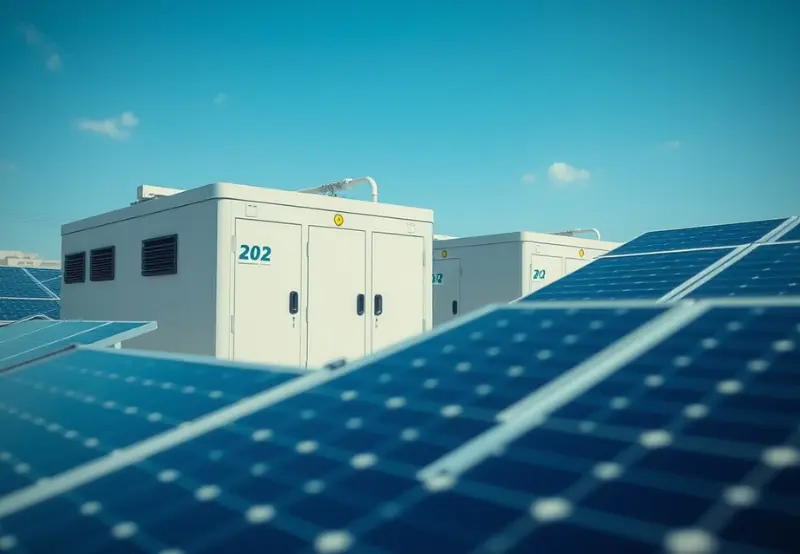
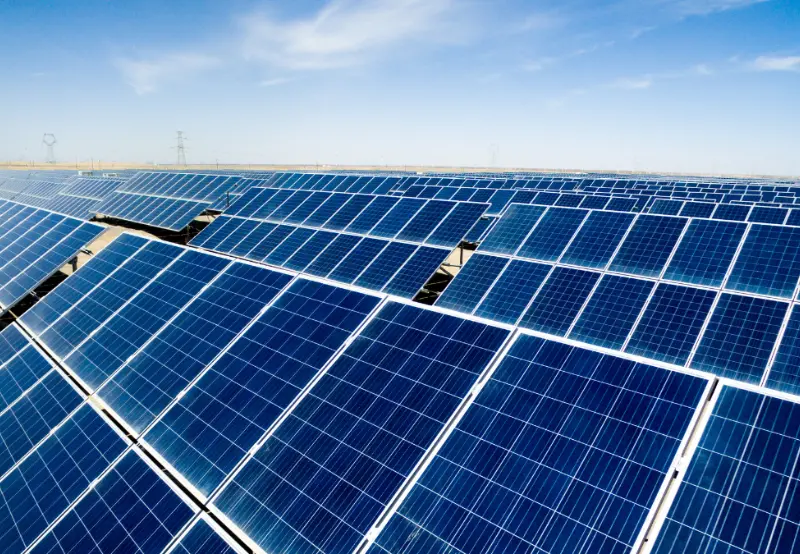
- The project combines around 900 MWp of solar capacity with over 3,000 MWh of battery-energy-storage system (BESS), enabling reliable, round-the-clock renewable power supply.
- The tariff secured is ₹ 6.74 per kWh under the tender — a competitive rate for dispatchable clean power.
- Earlier in 2025, Reliance NU Energies also won another significant project: 350 MW solar + 175 MW/700 MWh BESS from SJVN, under a separate auction.
Why It Matters: Strategic Importance of This Shift
- Round-the-clock clean energy: By integrating solar with battery storage, Reliance aims to deliver firm and dispatchable renewable energy — reducing reliance on fossil fuels and matching the reliability of traditional power plants.
- Backing India’s climate goals: As India pursues its ambitious targets for non-fossil capacity, large-scale solar-plus-storage projects help drive the transition.
- Strengthening clean-energy credentials: For a legacy power company, pivoting toward renewables enhances long-term relevance amid a global shift toward sustainability.
- Reducing renewable intermittency: Battery storage tackles the core issue with solar — variability — making solar power more dependable for utilities and consumers alike.
What This Could Mean for Reliance Power & Stakeholders
- A successful execution could position Reliance as a leading player in the solar + BESS space — potentially the largest in India, given the scale of recent contracts.
- Clean-energy growth may attract investors who prioritise sustainability, possibly improving the company’s market valuation and long-term prospects.
- For India’s power grid and consumers: this could mean more stable, cleaner, and cost-effective electricity — especially vital given rising demand and environmental concerns.
The Road Ahead: What to Watch
- Timely execution matters: The shift from award to actual solar + storage commissioning will require careful project management — delays could hamper expected benefits.
- Regulatory & policy environment: As the FDRE and similar schemes evolve, supportive policy frameworks will be crucial.
- Storage + solar economics: Battery-storage costs, tariffs, and grid-integration will determine how competitive and sustainable such projects are.
- Scalability and expansion: Whether Reliance can expand beyond initial projects to build a persistent clean-energy pipeline will shape its long-term role in India’s energy transition.
Conclusion
Reliance Power’s establishment of Reliance NU Energies — and its rapid success in securing large solar-plus-storage projects — marks a strategic pivot in India’s power sector. By combining solar generation with battery-energy storage, the company is betting on a future where renewable energy can be both clean and reliable.
If executed well, this move could not only transform Reliance’s own business model — but also play a significant role in India’s journey toward sustainable, round-the-clock electrification.