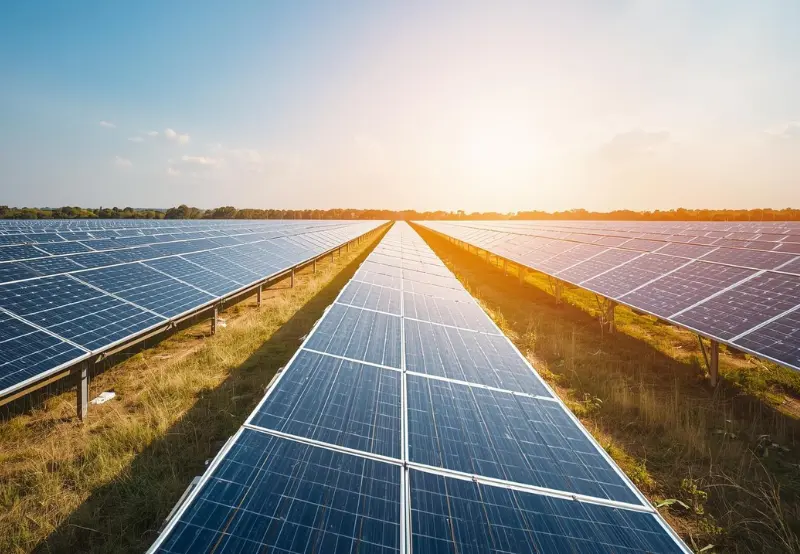
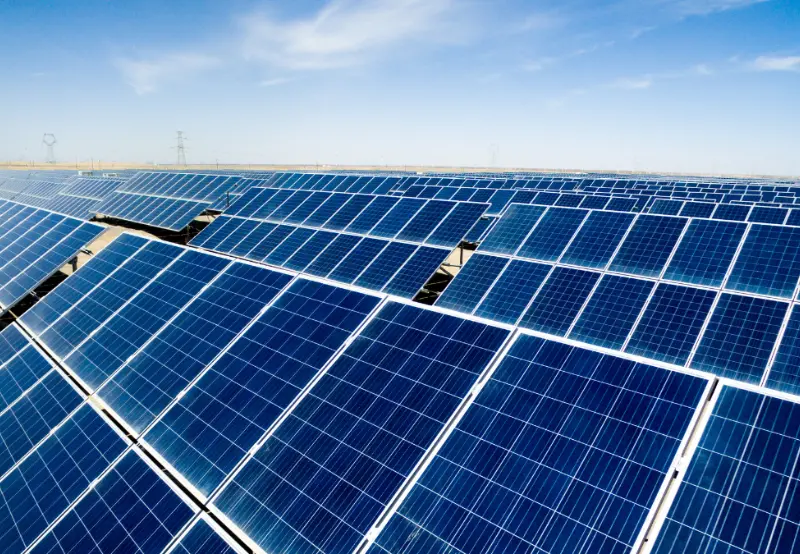
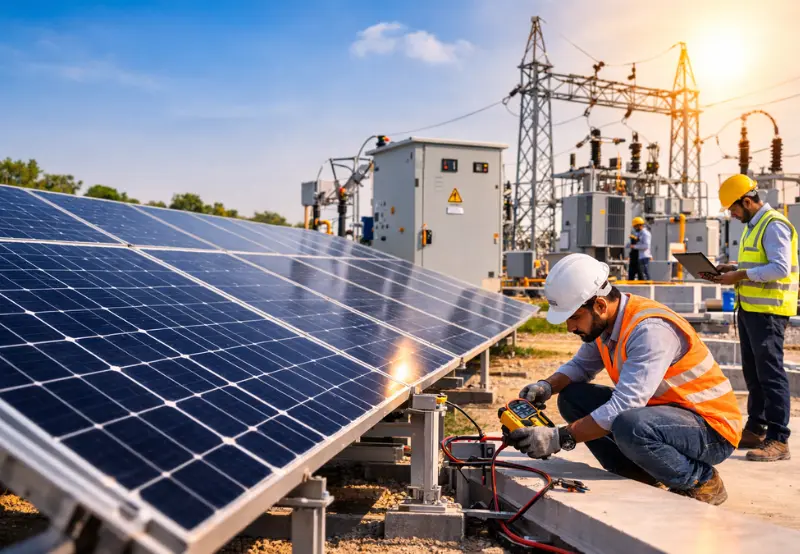
Witness how SECI 300 MW solar project in Andhra Pradesh is setting new benchmarks in India’s renewable energy drive. Read on for full details and impacts.
1. Introduction: SECI 300 MW Solar Project Lights the Way
SECI 300 MW solar project is the linchpin of India’s expanding renewable energy ambitions. With Prime Minister Narendra Modi recently laying its foundation stone virtually, this initiative marks a pivotal moment in the journey toward a cleaner, greener energy future in the country.
This flagship project not only underscores India’s commitment to solar power but also positions SECI (Solar Energy Corporation of India) as a leader in spearheading large-scale government-owned renewable installations.
2. Project Overview & Key Specifications
Location & Scale
- The project is sited in Ramagiri and Muthuvakuntla villages in Sri Sathya Sai district, Andhra Pradesh.
- It spans 1,047 acres of land.
Capacity
- AC capacity: 300 MW (AC), making it SECI’s largest self-owned solar PV venture to date.
- It is developed under CPSU Scheme Phase II, Tranche III.
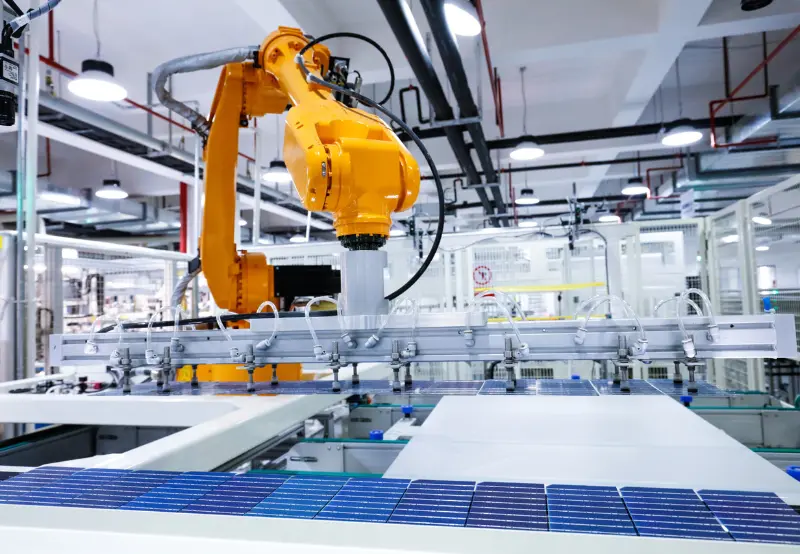
- The project mandates use of domestically manufactured PV modules in alignment with the “Make in India” policy.
EPC & Execution
- The EPC (Engineering, Procurement, and Construction) contract is awarded to Amara Raja Infra.
- SECI itself lists this project in its “Own Projects” portfolio, reflecting the public sector’s direct participation.
3. Strategic Significance under CPSU Scheme
The CPSU (Central Public Sector Undertaking) Scheme is a key instrument in India’s renewable policy architecture. Under this, central agencies like SECI set up grid-connected solar plants, often with viability gap funding (VGF) support, for either self-use or distribution to state utilities.
The SECI 300 MW project thus represents:
- A model of public-sector leadership in renewables, as opposed to relying solely on private developers.
- A demonstration of policy consistency—especially in domestic manufacturing mandates and contractual transparency.
- A building block in India’s broader target to expand solar capacity across the grid and fulfil its climate commitments.
4. Power Offtake & Beneficiary States
One interesting aspect of this project is who buys the energy. The electricity generated will be procured by Madhya Pradesh Power Management Co. Ltd (MPPMCL).
This interstate arrangement illustrates how solar power in one state (AP) is contributing to the energy needs of another (MP), promoting regional cooperation and efficient resource utilization.
5. Socio-Economic & Environmental Impact
Job Creation & Local Development
- The project is expected to generate direct and indirect employment during construction and operational phases.
- Infrastructure improvements—such as roads, connectivity and ancillary services—are likely to follow in the host villages.
Carbon Emission Reduction
By producing clean solar energy, the plant will displace carbon-intensive generation and reduce greenhouse gas emissions, contributing to India’s climate goals.
Alignment with State & National Goals
- Andhra Pradesh already has a strong footing in solar power, hosting large installations like Kurnool Ultra Mega Solar Park (1,000 MW) and Kadapa Solar Park
- The new SECI 300 MW project adds further momentum to AP’s ambition to be a renewable energy hub.
- At the national level, it feeds into India’s targets under the National Solar Mission and commitments under international climate accords.
6. Challenges, Prospects & the Way Ahead
Challenges
- Land acquisition & clearances: Procuring over 1,000 acres is no trivial task, especially ensuring minimal displacement or ecological impact.
- Grid integration & stability: Managing large solar infusions into regional grids demands stronger transmission, storage, and balancing mechanisms.
- Tariff and financial viability: Long-term power purchase agreements (PPAs) must remain economically sustainable.
- Maintenance and performance: Ensuring high uptime, module cleaning, and fault management over decades is crucial.
Prospects & Opportunities
- This project can act as a template for future public sector-led solar ventures in India.
- The success of this plant can encourage greater adoption of domestic manufacturing in solar value chains.
- It may also spur investment in energy storage or hybrid systems to improve reliability.
- Inter-state offtake arrangements (e.g. AP supplying MP) may encourage further regional power trade.
Way Forward
- Continued policy stability and incentives will be key.
- Strengthening transmission and grid integration via Renewable Energy Zones (REZs) and infrastructure upgrades.
- Encouraging private partnerships and innovations (e.g. floating solar, agrivoltaics) to complement large ground-mounted arrays.
- Monitoring and evaluation to optimise operation over the life of the plant.
7. Conclusion
The SECI 300 MW solar project in Andhra Pradesh is not just another power plant—it is a symbol of India’s resolve to transition toward sustainable energy on a grand scale. With visionary public sector backing, domestic manufacturing mandates, interstate cooperation, and deep socio-economic potential, it stands poised to accelerate India’s solar journey.
If implemented well, it can become a beacon, guiding how large-scale renewable infrastructure can be effectively deployed in harmony with local communities, state ambitions, and national climate goals.
For more solar related news, visit Solar News